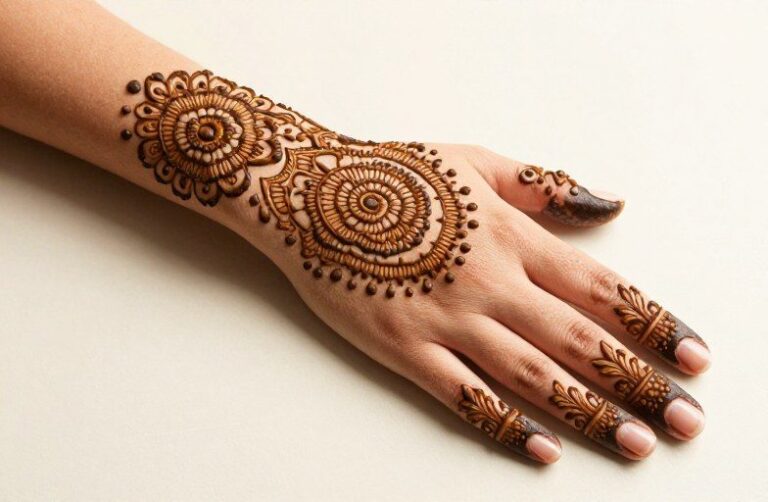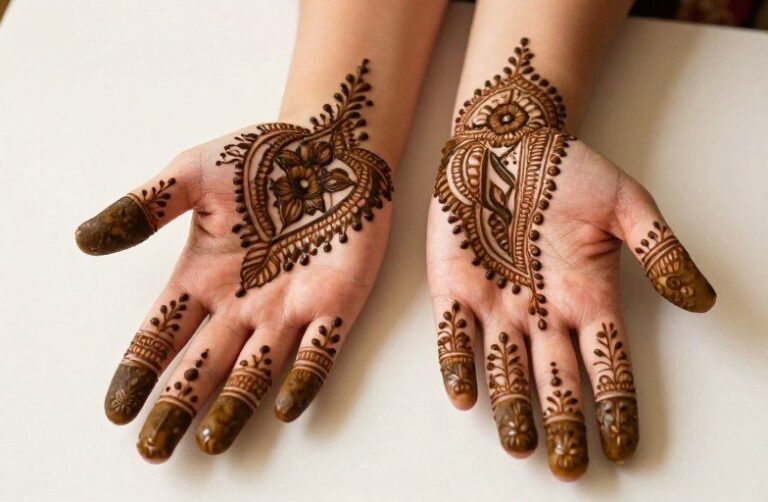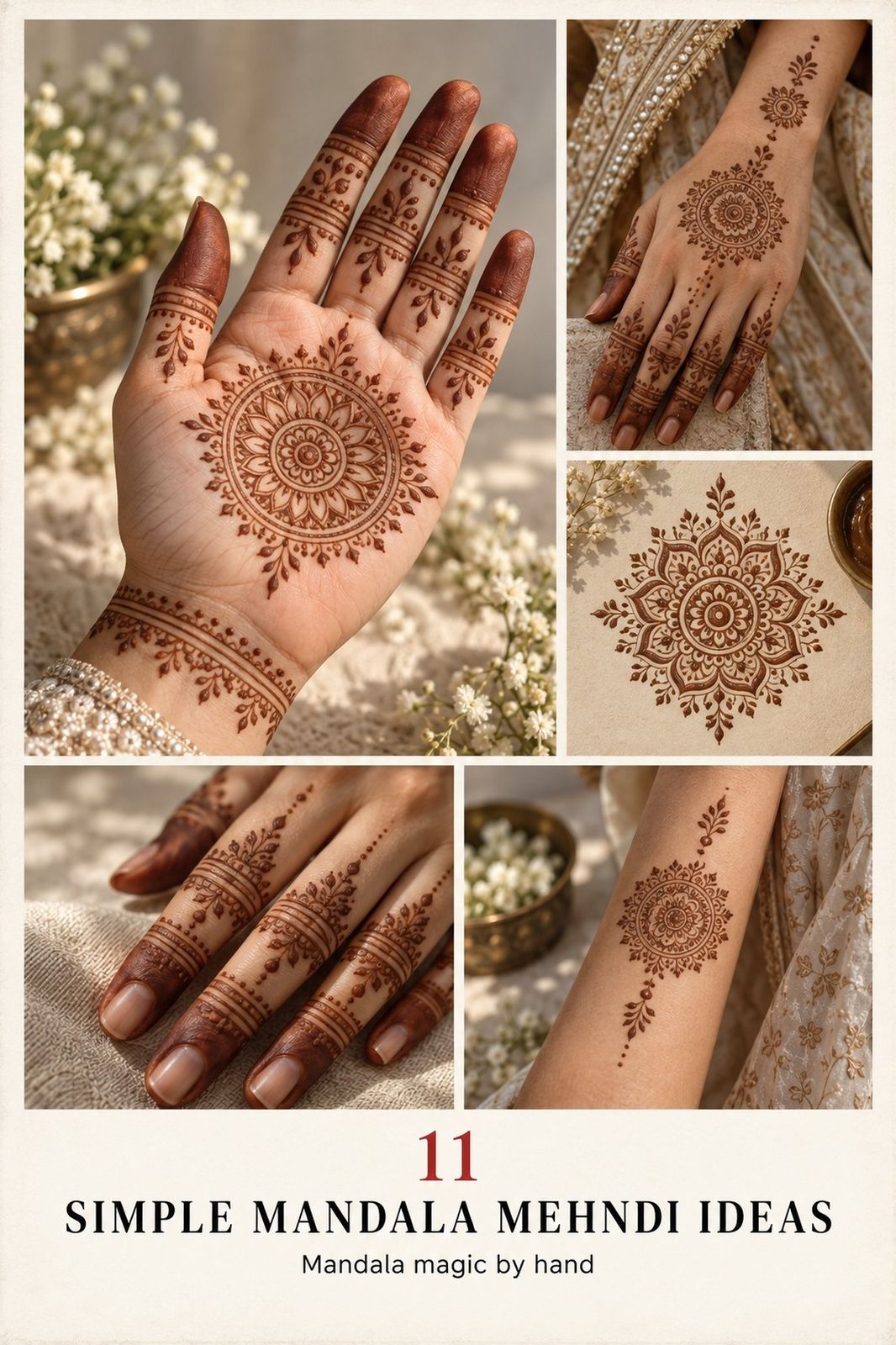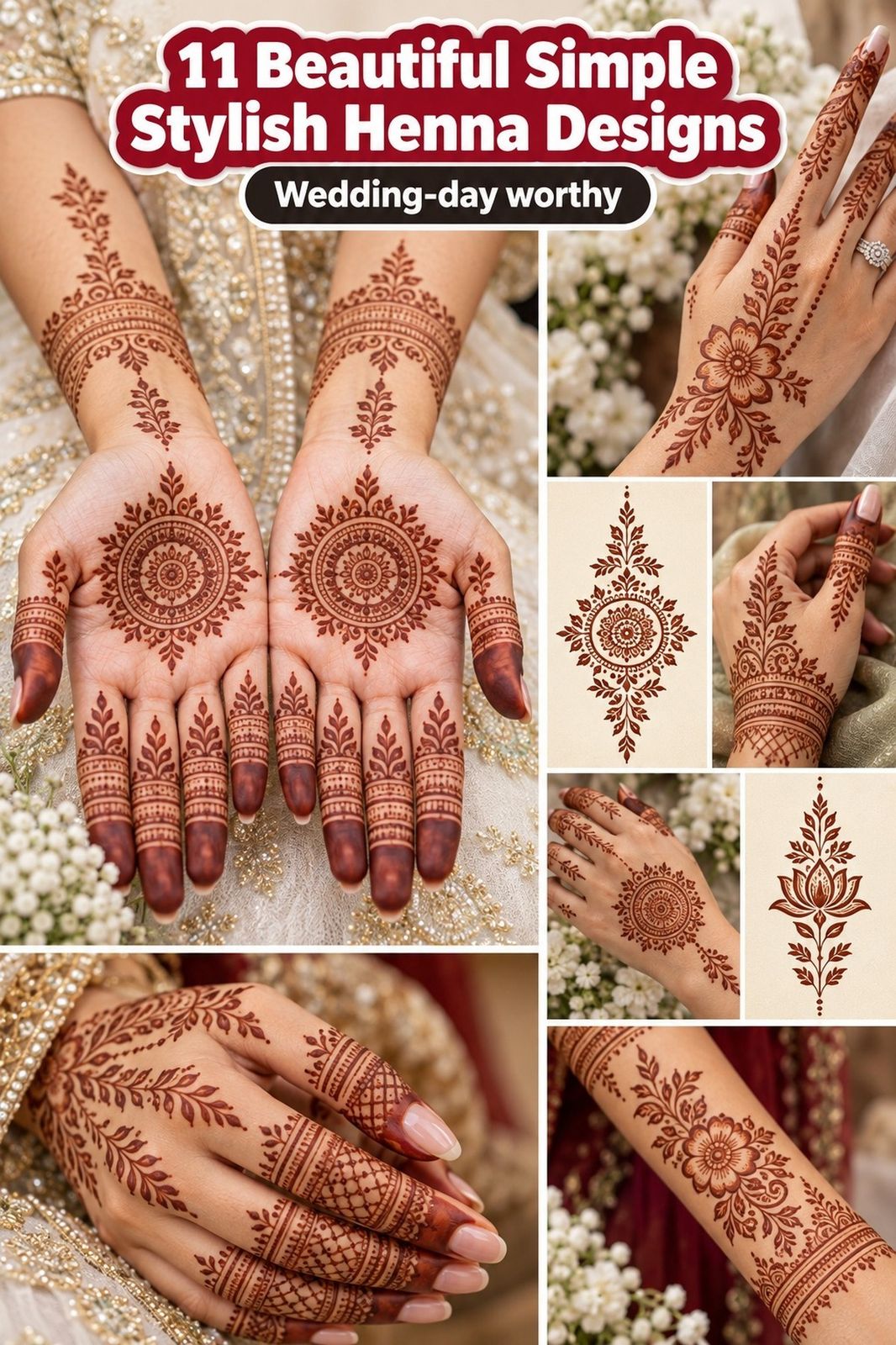
Henna Indian wedding meaning runs through nearly every curve and dot of bridal mehndi. The practice marks the bride’s transition into marriage, with the darkness of the stain traditionally linked to the depth of love between partners and the bride’s bond with her new family. Beyond romance, the designs encode blessings for fertility, prosperity, and protection against negative forces during this vulnerable life threshold.
Design Tips & Pairings
Bridal mehndi operates as a dense visual language where placement and motif carry specific weight. Understanding these conventions helps distinguish authentic ceremonial work from casual festival henna.
Core Motifs and Their Weight
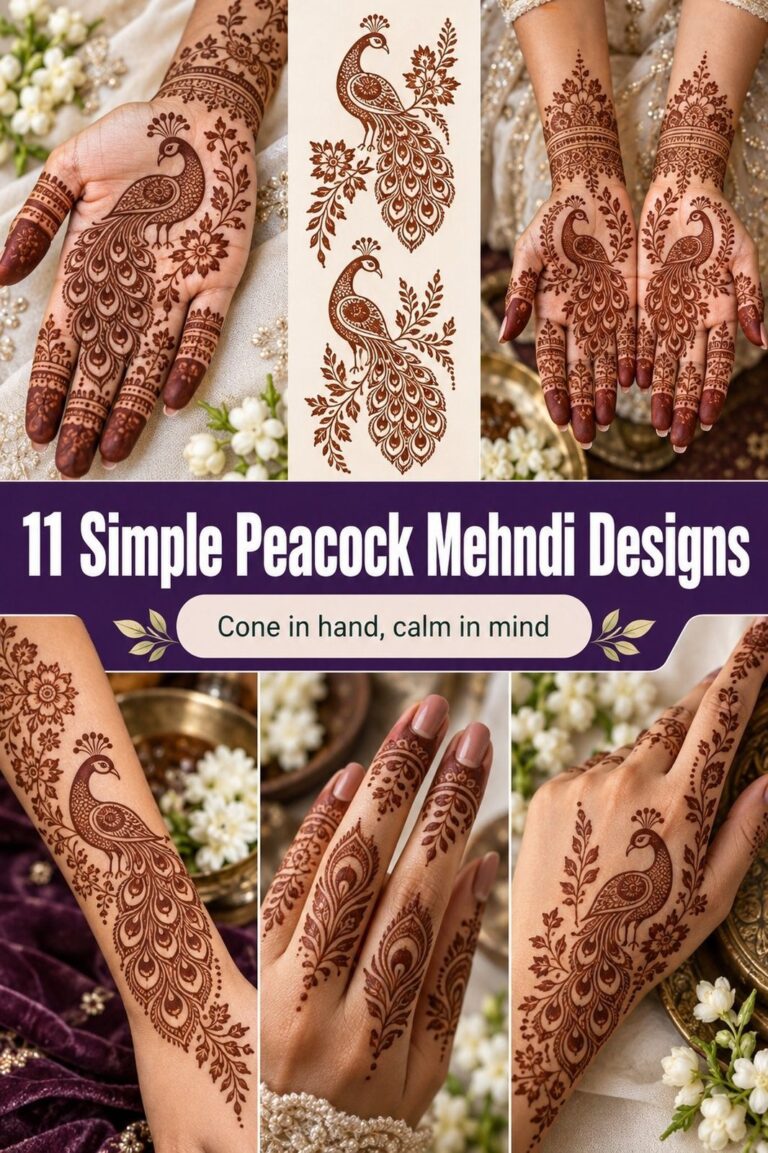
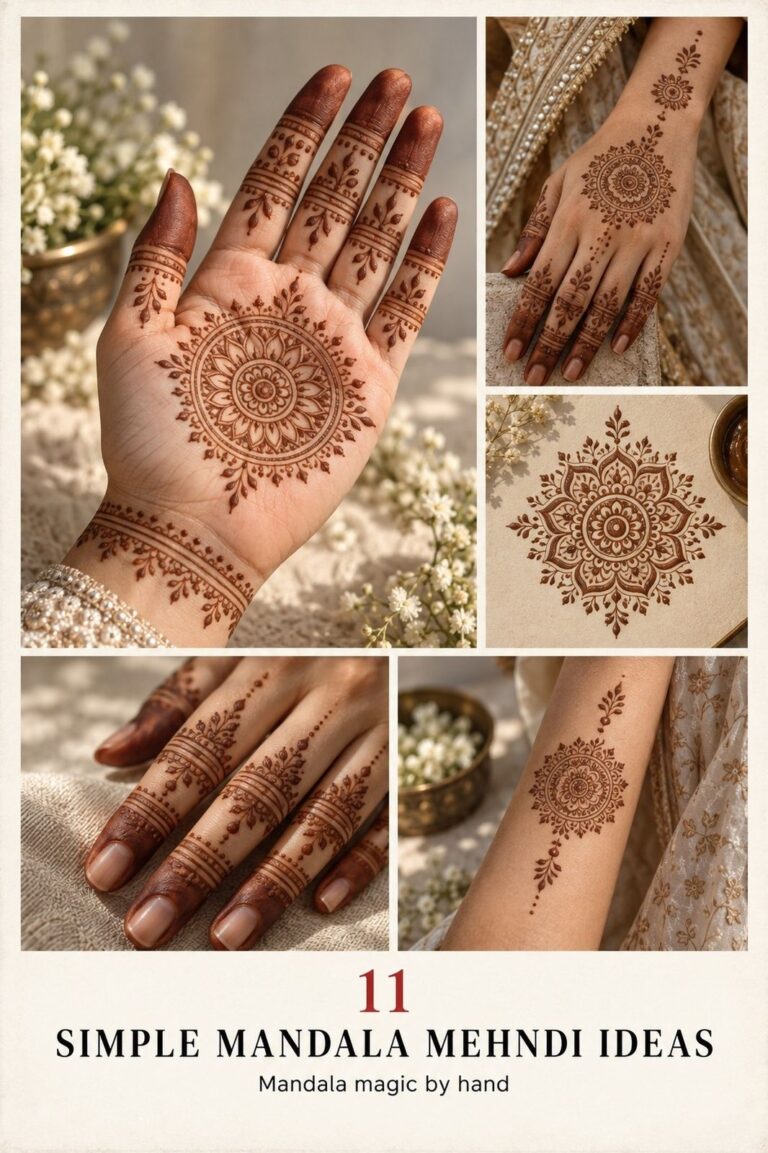
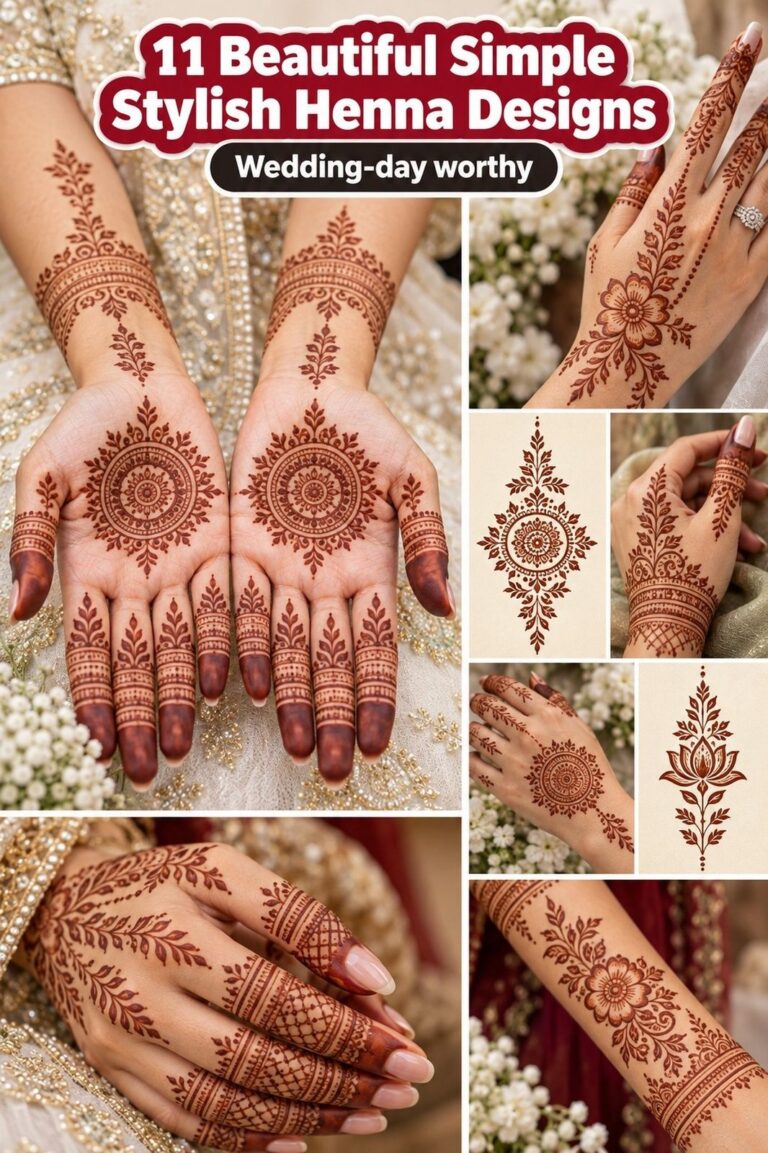
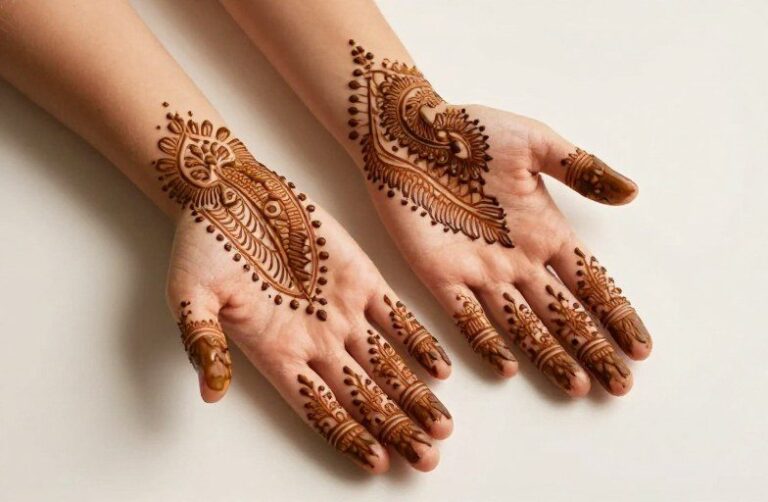
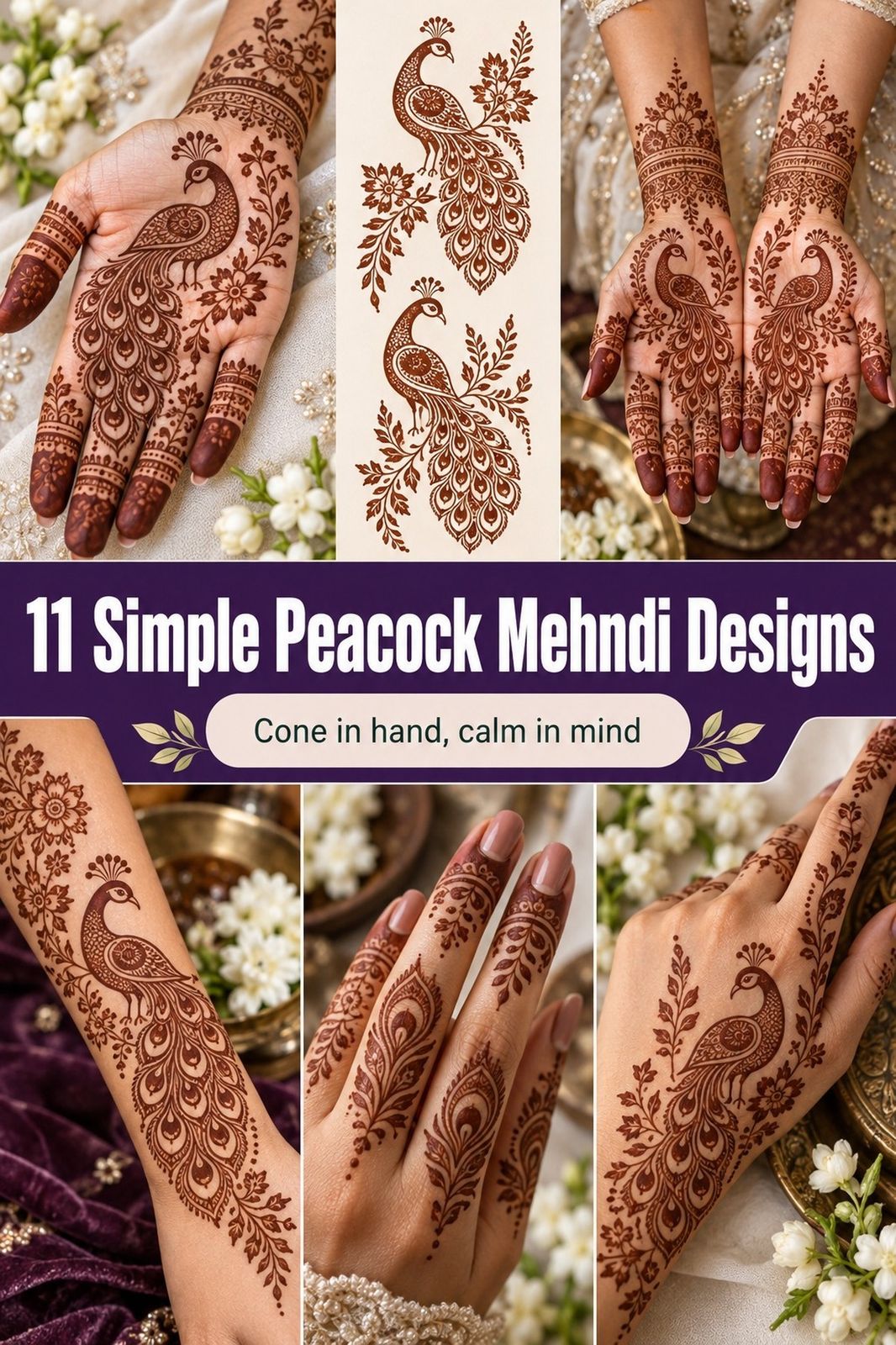
The peacock dominates North Indian bridal designs, its elaborate plumage symbolizing beauty, grace, and the watchful eye that guards against the evil eye. Lotus flowers appear frequently for their association with purity rising through difficulty, an apt metaphor for marriage. Mango leaves and paisleys (kairi or ambi) invoke fertility and abundance, their teardrop shape echoing the female form. Paisleys also carry protective resonance, their curling edges thought to trap harmful energy.
Modern brides sometimes integrate partner initials hidden within the dense pattern, a playful custom where the groom’s task of locating them on the wedding night supposedly predicts who dominates the relationship. This isn’t universal, it’s more common in Punjabi and Rajasthani traditions than in South Indian ceremonies.
Pairing With Jewelry and Outfit
- Design density should correspond to sleeve length: full-arm designs pair poorly with heavy bangles that obscure the work
- Back-of-hand patterns frame engagement rings and haath phool (hand chains) most effectively
- Foot designs traditionally extend to mid-calf, visible beneath lehenga hems during the phera (circumambulation of fire)
- Minimalist brides might choose single-focus motifs (a large central peacock) rather than all-over coverage
How It Ages on Skin
Henna’s temporary nature is central to its wedding role, it marks a liminal period, not a permanent state. The stain develops through a genuine chemical reaction with keratin, unlike cosmetic paints that sit atop skin.
The Staining Timeline
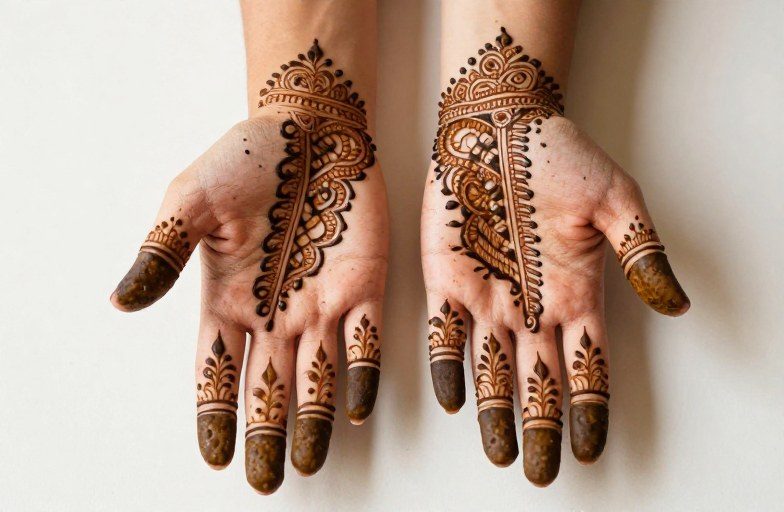
Fresh paste appears greenish-black; the reveal happens only after 6-12 hours of oxidation. Initial orange stains darken to deep burgundy over 48 hours, peaking around day two or three. On palms and soles where skin is thickest, color reaches maximum saturation, this is why traditional bridal mehndi concentrates heavily on hands and feet. Forearm and leg stains remain lighter, fading faster as those areas exfoliate more quickly.
Quality of stain depends on lawsone content in the henna powder, how long paste remains on skin, and whether sugar-lemon sealant was applied. “Black henna” containing PPD (para-phenylenediamine) produces darker faster results but carries genuine allergy risk, reputable artists avoid it entirely.
Fading Patterns
Stain disappears unevenly: fingertips and palm centers fade first from constant use, while wrist and ankle bands persist longest. This natural degradation creates a living timeline of the wedding festivities, with the most intense color coinciding with the main ceremony. By the reception, lighter remnants signal the transition from bride to wife.
Religious & Spiritual Angles
Mehndi’s spiritual dimensions vary significantly across India’s religious communities, though Hindu and Muslim bridal traditions overlap substantially in practice.
Hindu Ceremonial Context
The mehndi ki raat (henna night) typically precedes the wedding by one or two days, functioning as a women-only gathering that ritually separates the bride from her unmarried state. The ceremony often linked to the Rishi Mehendi legend, where a concerned mother decorated her daughter to please Shiva and Parvati, securing divine blessing for the union. Red and orange hues specifically connect to shakti (feminine energy) and Lakshmi’s prosperity.
Some traditions hold that mehndi acts as a cooling agent, calming the bride’s pre-wedding nerves through its natural temperature-lowering properties. This practical benefit merged with spiritual significance over generations.
Muslim and Cross-Community Practice
Islamic bridal mehndi often incorporates Arabic-style flowing patterns with more negative space, contrasting with Indian regional styles that favor dense coverage. The Prophet Muhammad’s recorded encouragement of henna use for decorative and medicinal purposes provides religious grounding. In Hyderabad and other centers of Muslim bridal tradition, mehndi nights maintain similar social functions, female bonding, blessing transmission, and liminal marking, despite different theological frameworks.
Color vs Black and Grey
This section addresses a common confusion: traditional henna versus tattoo adaptations. Actual henna is always reddish-brown; “black henna” is a dangerous chemical imposter. Permanent tattoos referencing henna aesthetics, however, face genuine color decisions.
Permanent tattoos mimicking mehndi patterns typically employ black ink for the linework that defines henna’s intricate geometry. Some artists add sparse red or brown shading to suggest the stain’s warmth, though this risks muddy aging. Pure black line tattoos age cleaner, maintaining readability as the design settles and spreads slightly over decades.
Color realism, attempting to replicate actual henna’s orange-red tone, generally fails in tattoo form. Skin undertones distort the intended hue, and red pigments fade unpredictably, often shifting to pink or salmon. For someone wanting permanent mehndi-reference, black line work with strategic dotwork most faithfully translates the aesthetic.
Similar & Related Symbols
Bridal body decoration crosses cultures with surprising frequency, though specific meanings diverge.
- Alta: Red liquid dye applied to Bengali brides’ hands and feet, more fluid and less patterned than mehndi, associated specifically with Durga and marital auspiciousness
- White henna: Not true henna but body paint, popular in Arabic-influenced regions for contrast against dark skin; carries no traditional wedding meaning
- Maori ta moko: Chin and lip tattoos marking social status and marriage eligibility, permanent where mehndi is transient
- Berber facial tattoos: North African patterns indicating marital status and tribal affiliation, historically permanent though now often avoided
- Japanese irezumi: Occasionally incorporated into wedding imagery (carp, cherry blossoms), but not applied as part of the ceremony itself
The temporary-permanent distinction matters: cultures using enduring marriage marks treat them as irreversible status changes, while henna’s fadeability suits societies where marriage, though serious, doesn’t require unalterable bodily transformation.
Best Placements
Traditional bridal mehndi follows established body geography, each zone carrying specific significance.
Hands and Arms
Palm centers receive the densest patterning, visible when hands are raised in blessing or prayer. Fingertip coverage to the first knuckle is standard; some brides extend to the second knuckle or cover nails entirely. Arms typically run to mid-bicep, though modern variations sometimes stop at the wrist for sleeve compatibility. The jaali (net) pattern across the back of the hand creates lace-like negative space that photographs dramatically.
Feet and Legs
Feet mirror hands in importance, with sole centers and toe coverage standard. Ankle bands reference payal (anklet) traditions, sometimes incorporating bell motifs. Leg designs typically reach the knee, occasionally higher for outfits with significant slits. The act of applying mehndi to feet carries subtle hierarchy, it’s often done by junior artists or family members rather than the lead mehndiwallah, reflecting feet’s lower status in South Asian body symbolism.
Contemporary brides sometimes add nape of neck or upper back designs for reception outfits with open backs, though these are modern innovations rather than traditional placement.
Final Word
Henna Indian wedding meaning persists because it operates on multiple registers simultaneously: aesthetic pleasure, social bonding, spiritual protection, and embodied transition. The temporary stain suits marriage’s own paradox, permanent commitment marked through changeable form. If you’re considering bridal mehndi, attending a ceremony, or contemplating a permanent tattoo reference, understanding these layers transforms observation into participation. The designs speak a visual language developed over centuries, dense enough that no single article exhausts them. That inexhaustibility is itself the point: marriage, like mehndi, reveals more the longer you attend to it.
Frequently Asked Questions
Does darker henna really mean stronger love?
That’s a folk belief, not literal truth. Stain darkness depends on skin chemistry, paste quality, and how long it stays on. Some families joke about it, but no one should stress if their stain stays light.
Can non-Indian people wear mehndi to an Indian wedding?
Guests of any background often receive henna at pre-wedding events. It’s generally welcomed as participation, though skipping it is also fine. Avoid getting bridal-level full coverage unless specifically invited to.
How do I find a reputable henna artist?
Ask to see stain photos from 48 hours after application, not just fresh paste work. Avoid anyone offering “black henna” or guaranteeing extremely dark results. Natural henna smells earthy, like hay or tea.
Is it appropriate to get a permanent tattoo of mehndi patterns?
Many people do, though consider if you’re referencing the aesthetic or claiming ceremonial significance. Simple geometric or floral elements translate well; copying specific bridal motifs without context can read as appropriation.