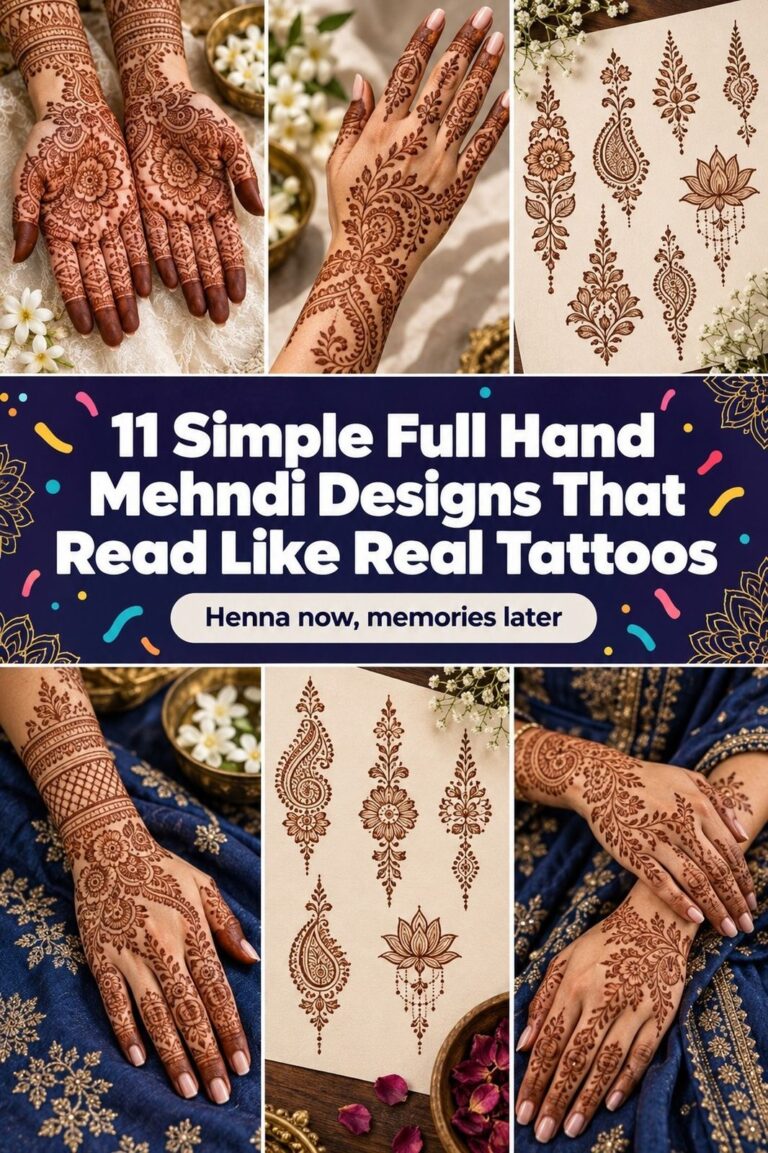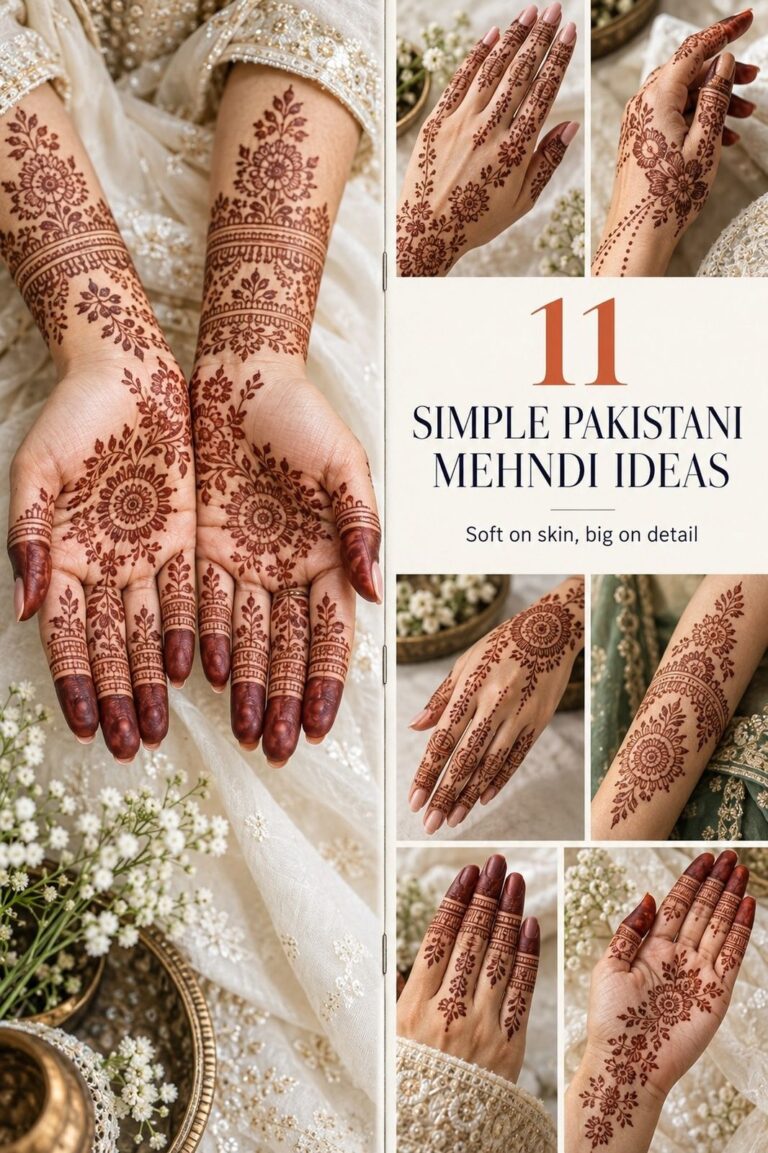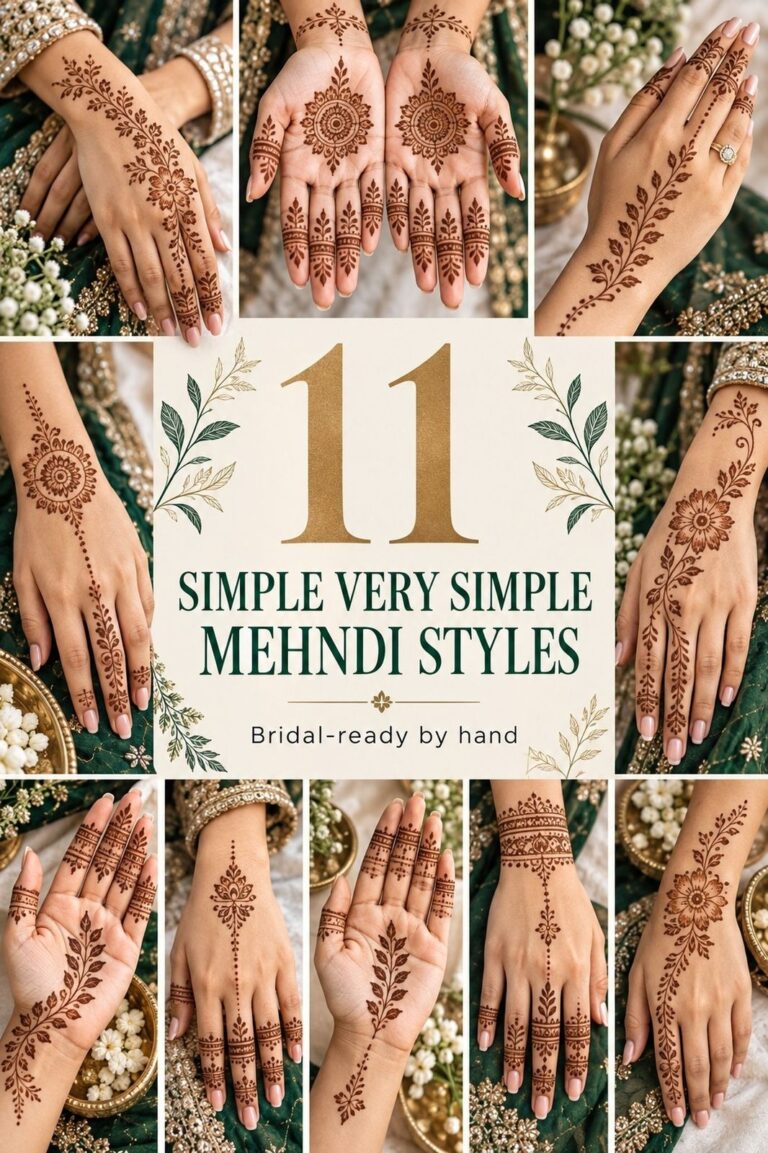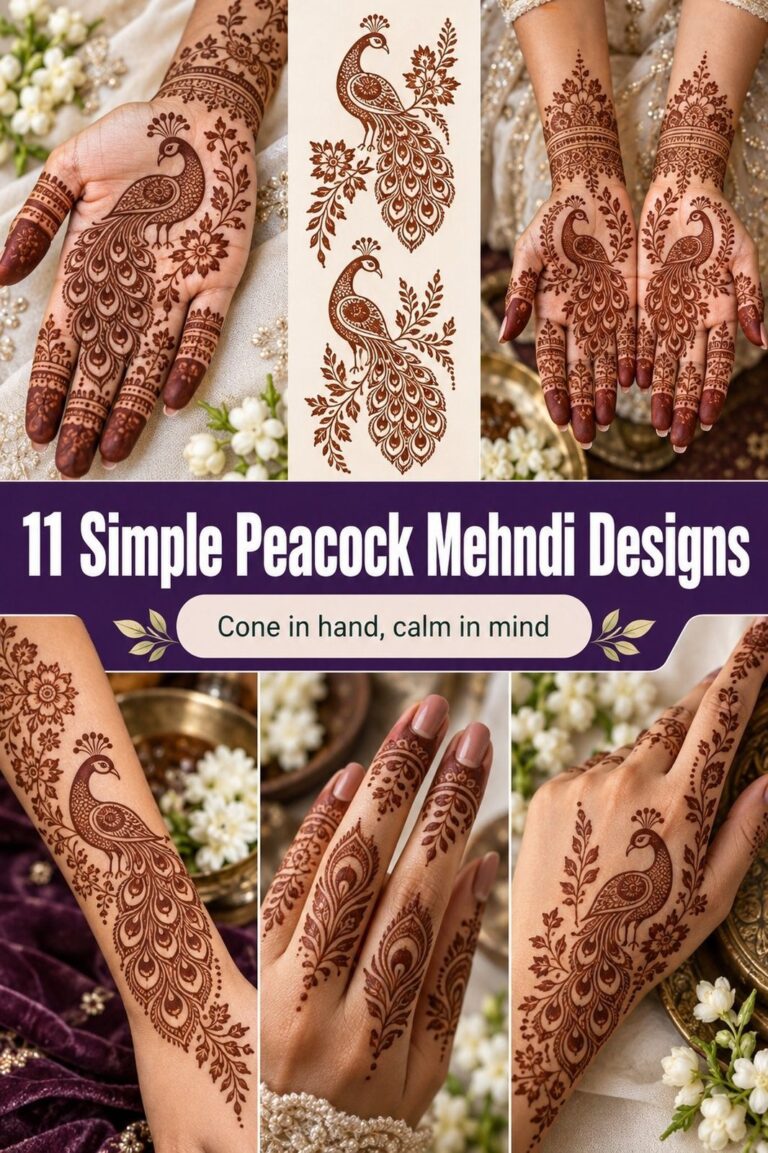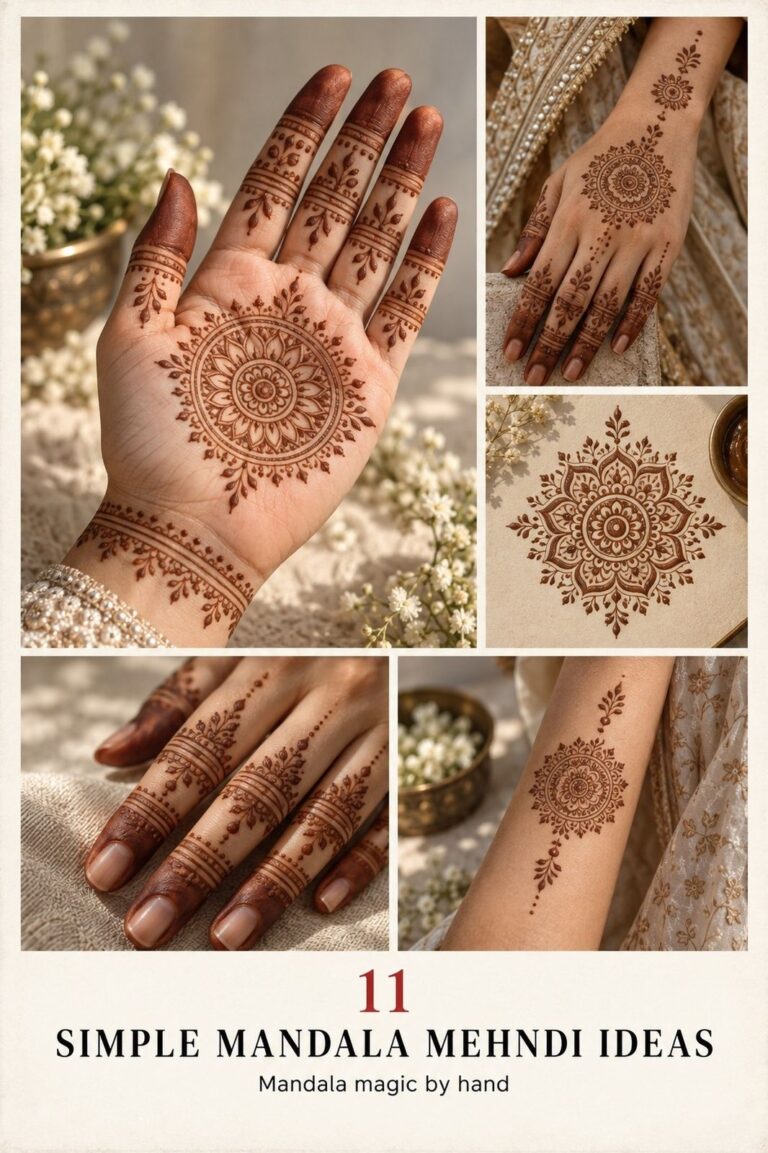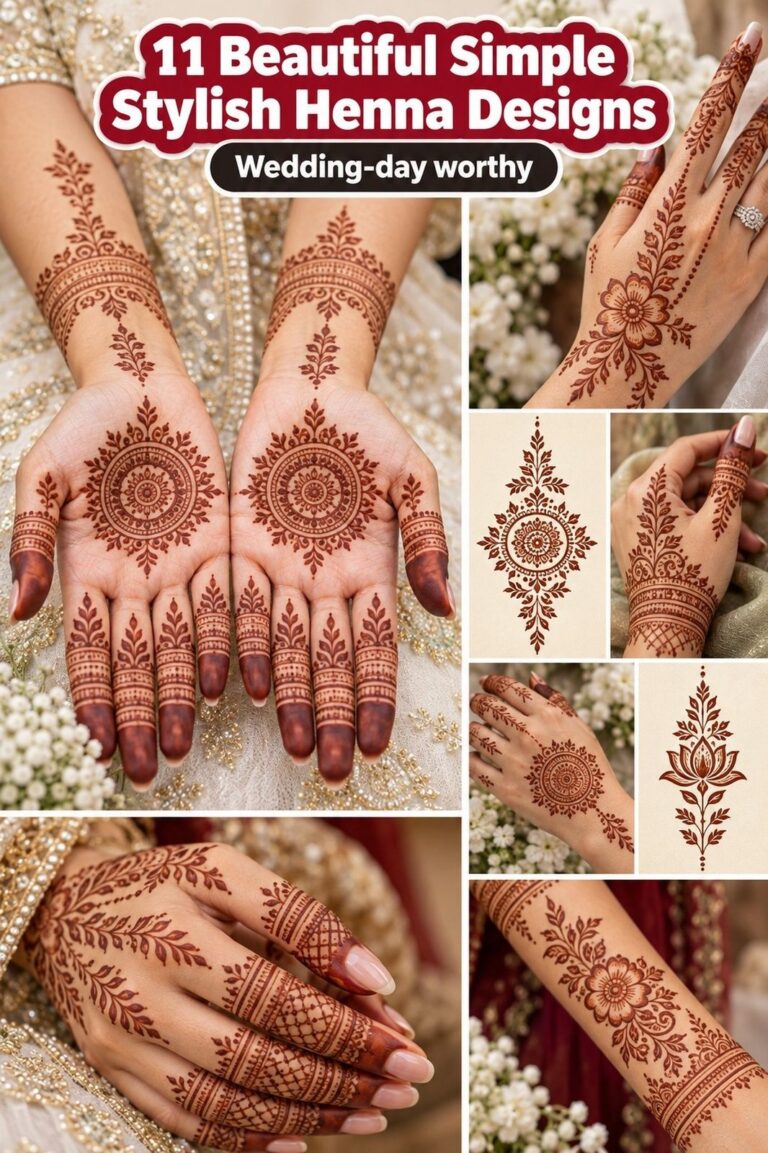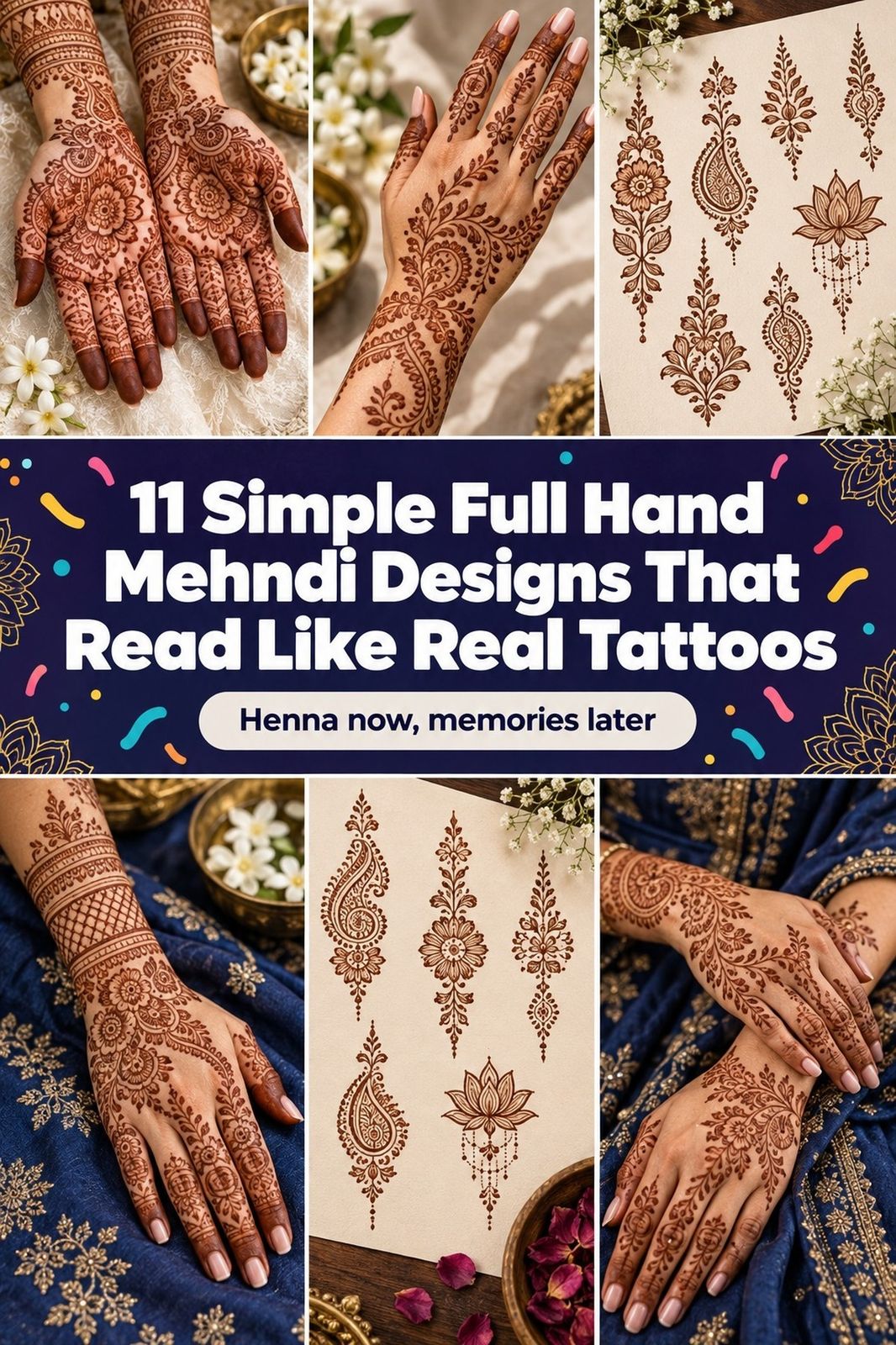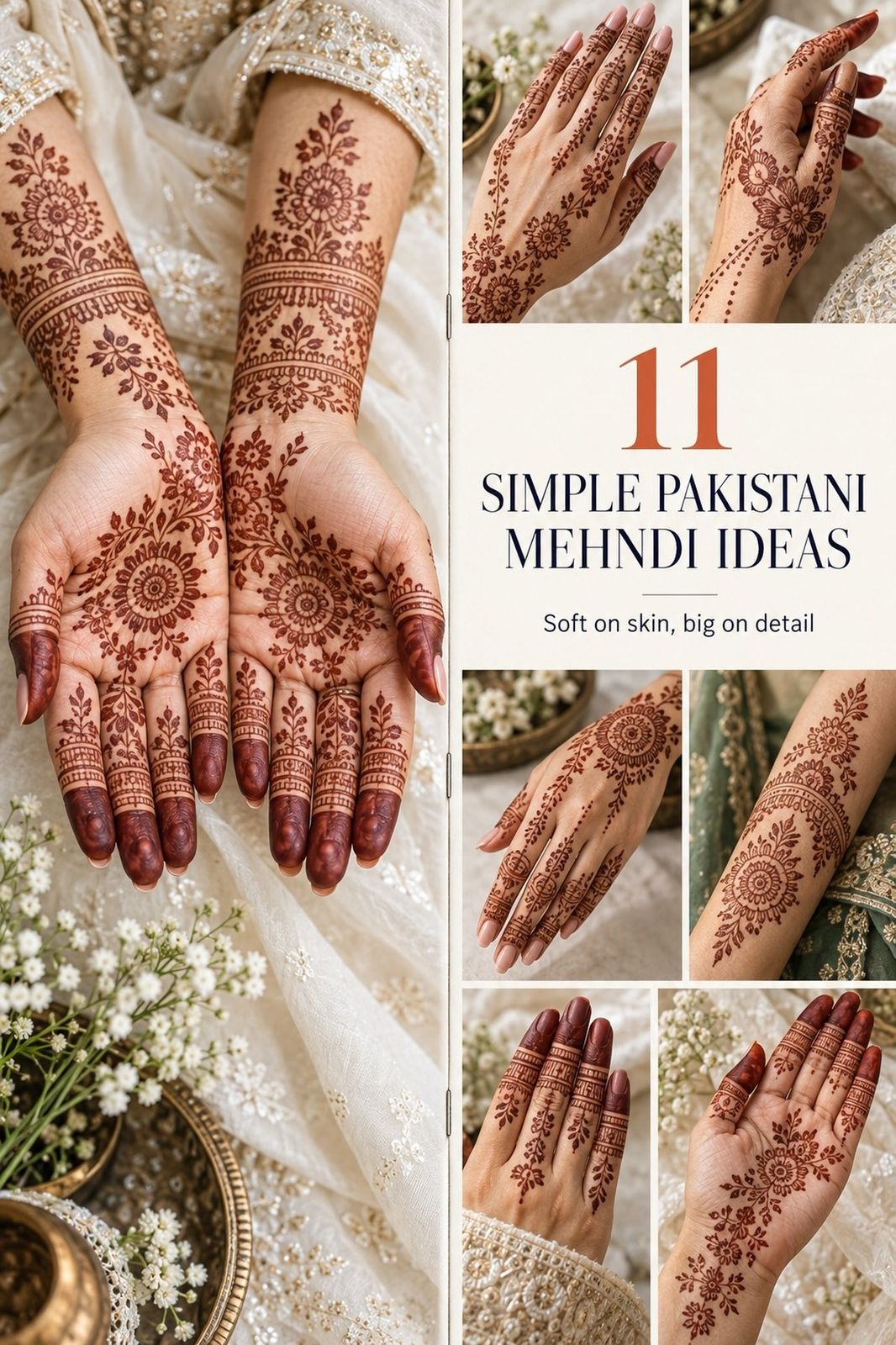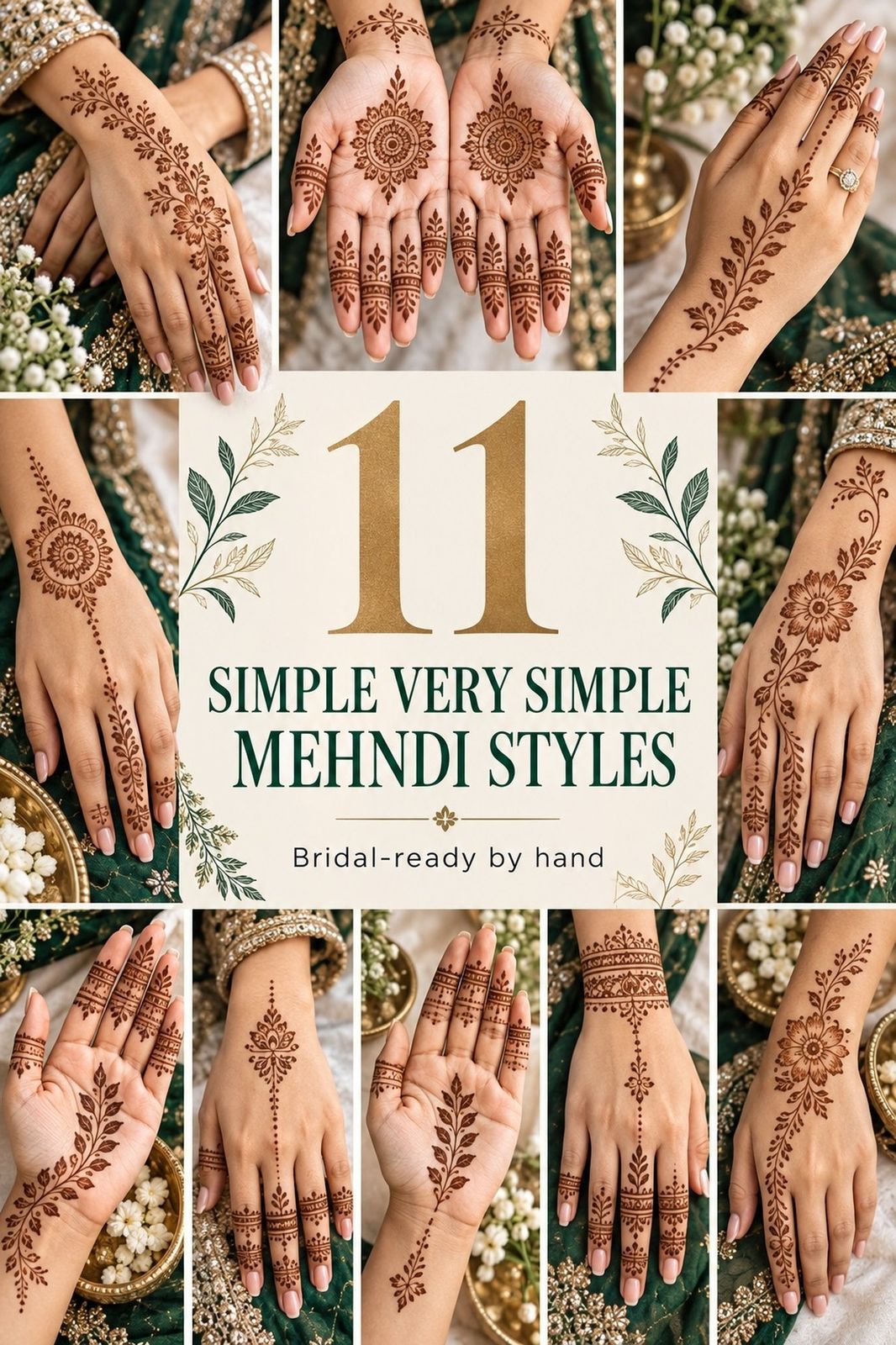
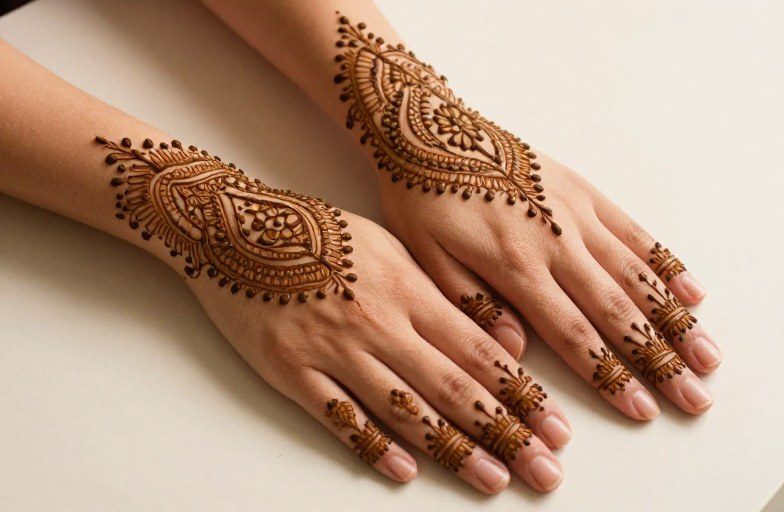
A henna tattoo, whether done with actual henna paste or inked permanently in the style of Mehndi, carries meanings rooted in celebration, protection, and transformation. The flowing, organic patterns traditionally applied to hands and feet symbolize joy, spiritual awakening, and the temporary nature of beauty itself. When translated to permanent ink, these designs retain their ornamental power while shifting from fleeting ritual to lasting commitment.
Mythology & Folklore
The dark stain of henna has colored ceremonies across North Africa, the Middle East, and South Asia for millennia. Stories about its origins vary by region, with some tracing it to the cooling properties of the plant in hot climates, others to the biblical figure of Solomon, and many more to the romance of Krishna and Radha in Hindu tradition.
Bridal Night Legends
In South Asian folklore, the depth of a bride’s henna stain predicts the depth of her mother-in-law’s love, darker means deeper affection. This isn’t universal, but the belief persists in many communities. The night before the wedding, called the Mehndi ceremony, involves hours of application while female relatives sing and bless the union. Patterns traditionally include paisleys (fertility and luck), peacocks (beauty and grace), and floral vines (the sweetness of love).
Protective Symbols
- The “evil eye” motif, often a stylized eye within geometric borders, appears in henna across cultures as a shield against jealousy and harm.
- Intricate lattice work, sometimes called “jaali” patterns, creates a net that catches negative energy before it reaches the wearer.
- Scorpion and snake motifs, common in Berber henna traditions of North Africa, paradoxically protect against the very creatures they depict.
Religious & Spiritual Angles
Henna occupies different spaces across faiths. In Hindu practice, it’s often linked to Lakshmi, the goddess of wealth and prosperity, and applied during Diwali and Karva Chauth. The temporary nature of the stain mirrors Hindu concepts of impermanence and the cyclical nature of existence.
Islamic Traditions
Within many Muslim communities, henna carries sunnah associations, some trace it to the Prophet Muhammad’s recommendation of the practice for its cooling and beautifying properties. It’s particularly prominent in Eid celebrations and pre-wedding rituals among South Asian Muslims. The geometric precision possible with henna paste also resonates with Islamic artistic traditions that avoid figurative representation.
Modern Spiritual Adaptation
Contemporary wearers often choose henna-style tattoos to mark personal transitions, recovery, sobriety milestones, coming out, or the end of a relationship. The mandala-like concentration required to create or receive the design becomes meditative. Unlike religious tattoos that declare affiliation, henna-inspired ink tends to signal openness to ritual and transformation without doctrinal commitment.
Personal & Modern Meanings
Outside traditional contexts, henna tattoos communicate different things depending on placement and design density. A single delicate vine trailing from wrist to finger reads as bohemian and understated. Full hand coverage with fingertip staining suggests bolder confidence and deeper cultural engagement.
Placement as Message
Traditional Mehndi concentrates on hands, feet, and sometimes the shins, areas where the stain develops darkest due to thicker skin and higher body heat. Permanent henna-style tattoos follow these placements for authenticity, but many modern wearers extend the designs to:
- Upper arms and shoulders, where larger mandalas and floral compositions can unfold without the constraints of finger-width spaces.
- Ribs and hips, private placements that maintain the intimate, personal quality of traditional henna application among women.
- Behind the ear or along the hairline, subtle spots that echo the hidden henna sometimes applied to a bride’s scalp.
Cultural Appreciation vs. Appropriation
This question comes up constantly. The line isn’t always clear, but some guidelines help. If you’re not from a henna-using culture, avoid specific religious symbols (Om, Allah, certain mandalas with explicit devotional meaning) and bridal-specific motifs. Abstract florals, geometric patterns, and purely ornamental vines generally read as respectful homage rather than appropriation. Research the specific tradition you’re drawing from, and consider supporting artists from that background.
Color vs Black and Grey
Actual henna ranges from orange-brown to near-black depending on the plant quality, mixing liquid, and how long the paste stays on. “Black henna” containing PPD (a hair dye chemical) is dangerous and can cause permanent scarring, never use it. Natural henna never produces true black.
Permanent Ink Choices
Tattoo artists replicate henna’s visual warmth through several approaches. Straight black ink mimics the darkest natural henna stains and ages most predictably. Brown inks (often mixes of black with red or orange) can approximate fresh henna color but tend to fade unevenly, sometimes shifting pink or grey. Some artists use warm grey washes to suggest the faded, day-three look of henna as it begins to exfoliate.
White ink, occasionally requested for the “paste still on” look, almost always disappears or turns yellowish within a few years. It’s generally not recommended for detailed henna-style work. If you want color, consider muted earth tones, terracotta, rust, ochre, rather than bright primary colors that fight against the organic, muted quality that makes henna distinctive.
Similar & Related Symbols
Henna patterns overlap with several other ornamental tattoo traditions. Understanding these connections helps you choose or combine elements intentionally.
Mehndi vs. Mandala
Both feature radial symmetry and repetitive patterning, but mandalas carry explicit spiritual mapping in Buddhist and Hindu contexts, they represent the cosmos and meditation paths. Henna patterns are more free-flowing, botanical, and celebratory. A tattoo can blend both, but knowing which elements come from which tradition matters for meaning and respect.
Islamic Geometric Patterns
The girih tiles and arabesques of Islamic art share henna’s non-figurative, mathematically precise beauty. These patterns often carry more explicit religious significance than ornamental henna, so combining them requires care. A skilled artist can create original patterns that honor both traditions without misappropriating specific mosque or Quranic designs.
Polynesian and Filipino Tribal
These also use dense, flowing patterns to cover skin, but the visual language differs, triangular and spear-like shapes versus henna’s curves and paisleys. Some fusion work exists, but the two traditions speak different visual languages. Mixing them without deep understanding tends to look confused rather than innovative.
How It Ages on Skin
Henna-style tattoos age differently than bold traditional or fine-line minimalist work. The dense, intricate patterns that look stunning fresh can become muddy as lines spread and details blur.
Line Weight and Spacing
The finest lines in henna paste, hair-thin details created with a cone’s pinpoint, don’t translate well to tattoo longevity. Skin cells migrate and ink spreads. For permanent work, artists need to thicken lines slightly and increase spacing between parallel strokes. What looks like adequate gap when fresh will close up over five to ten years. Ask your artist to show you healed work from 3+ years prior, not just fresh photos.
Shading and Negative Space
Traditional henna relies on the skin itself as “light” against the dark stain. In tattooing, this means strategic negative space becomes crucial. Areas left skin-toned will stay lighter, but surrounding dark ink can “bleed” visually into that space. Dotwork and stippling age better than solid black fills for creating texture and depth without the blobbing risk of large saturated areas.
Hands and fingers, traditional henna strongholds, are notoriously difficult for tattoo longevity. The constant use, sun exposure, and thin skin mean even excellent work fades fast and blurs faster. If you want the hand placement, consider that you’ll need touch-ups every few years, or choose a less high-wear area like the upper arm for the same visual effect.
What to Remember
Choosing a henna-inspired tattoo means engaging with a living tradition, not just selecting a pretty pattern. The best results come from understanding what specific motifs communicate, respecting their origins, and adapting them thoughtfully to permanent ink. Work with an artist who has studied Mehndi patterns beyond Pinterest, someone who can explain why paisleys curl the way they do, or why certain flowers appear in bridal work. The temporary nature of real henna is its poetry; permanence shifts that into something else, a different kind of commitment. Make sure the design you choose sustains that weight.
Frequently Asked Questions
Can I get a henna-style tattoo if I’m not South Asian or Middle Eastern?
Yes, with respect. Avoid specific religious symbols and bridal-only motifs. Stick to abstract florals, geometric borders, and original ornamental designs. Research the tradition, credit your influences, and consider artists from henna-using cultures.
How do I find an artist who specializes in henna-style tattooing?
Look for portfolios showing healed work, not just fresh photos. Ask if they’ve studied traditional Mehndi patterns or worked with henna artists. Many tattooers who excel at this style have backgrounds in illustration or textile design.
Will a henna tattoo look good on darker skin tones?
Absolutely. The high contrast of black ink on melanin-rich skin actually mimics the visual pop of natural henna stains. Brown inks may disappear, so discuss going darker with your artist. Negative space and dotwork read beautifully on all skin tones.
What’s the difference between a henna tattoo and a Mehndi tattoo?
Mehndi specifically refers to the art form and ceremony using henna paste. A “henna tattoo” can mean either temporary paste work or a permanent tattoo in that visual style. When booking, clarify which you want, henna paste artists and tattoo artists are different professionals.