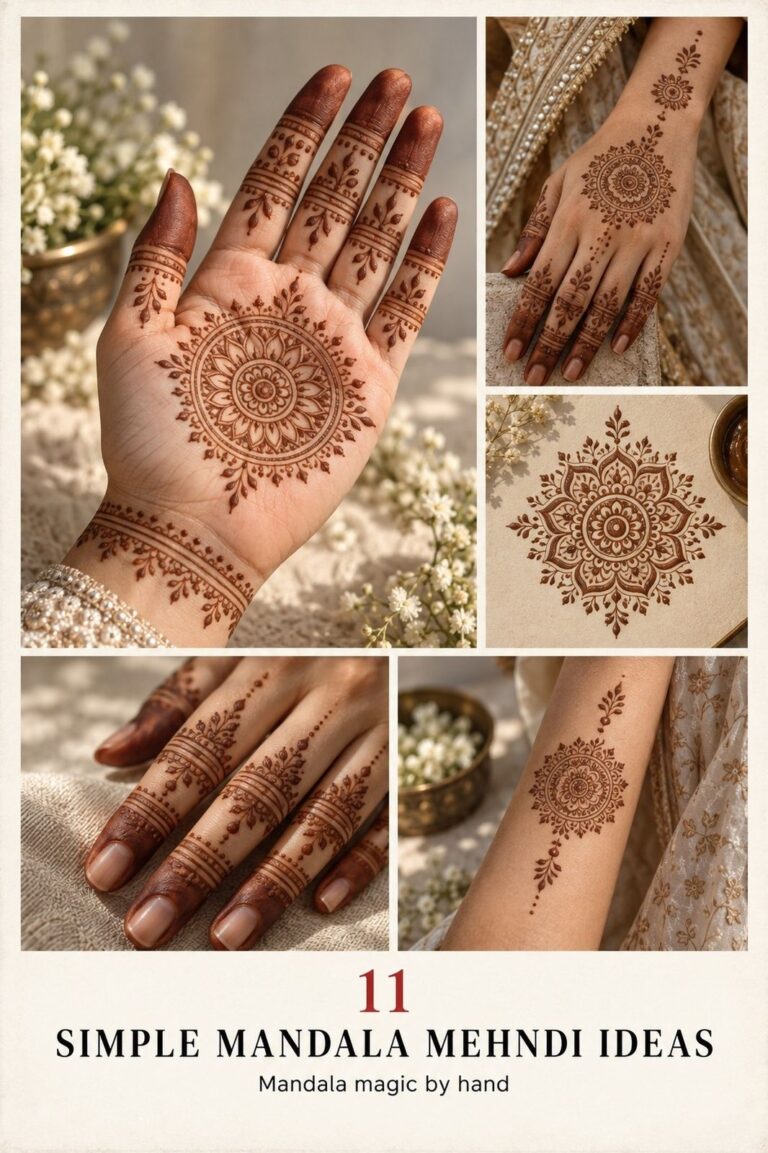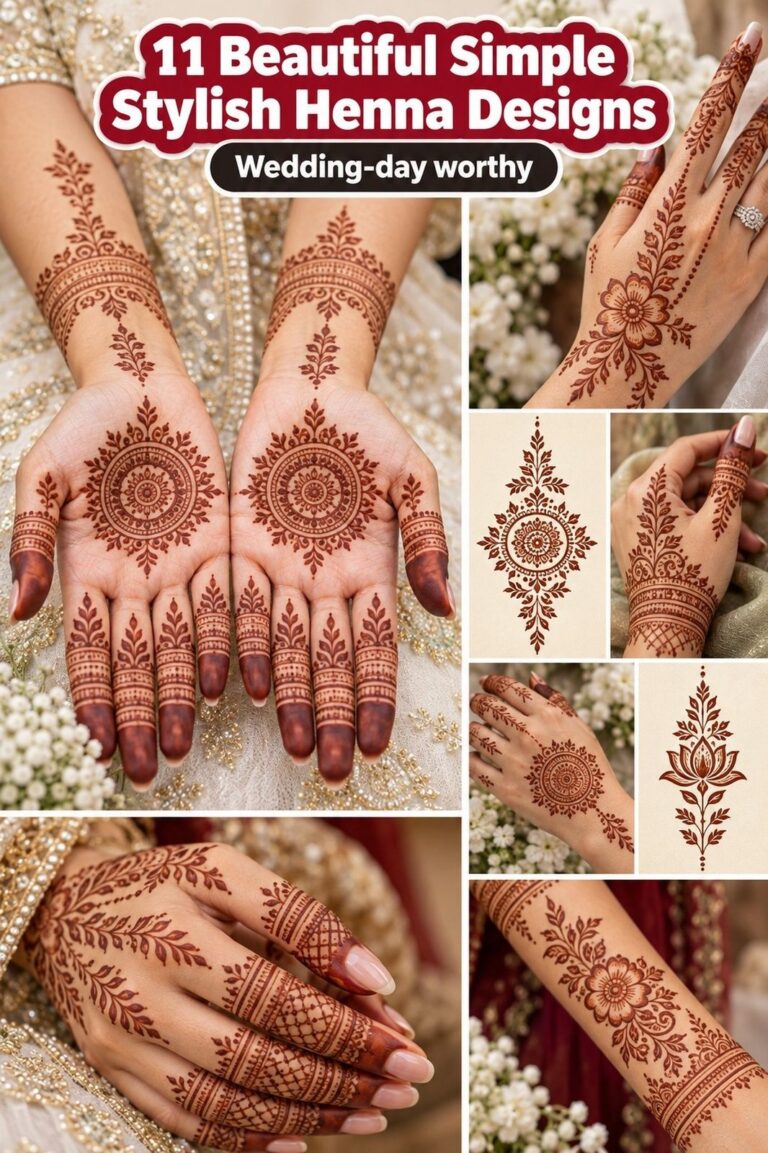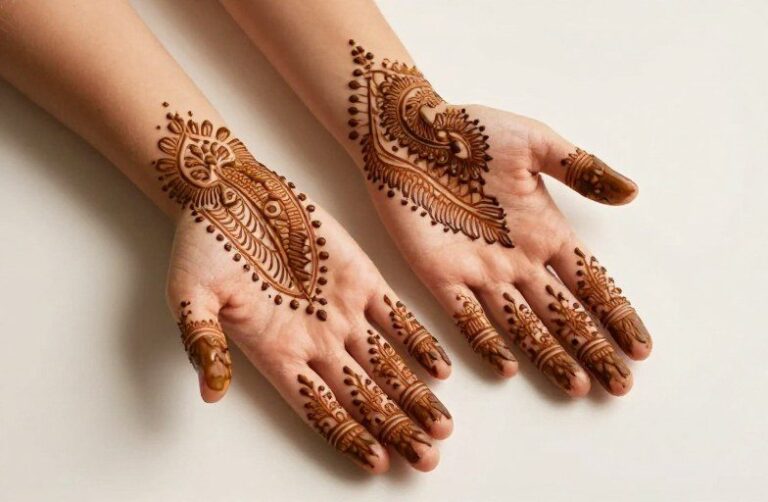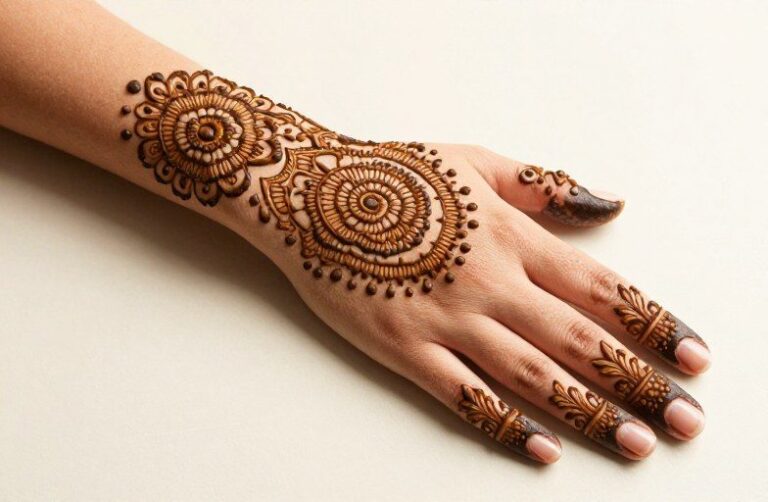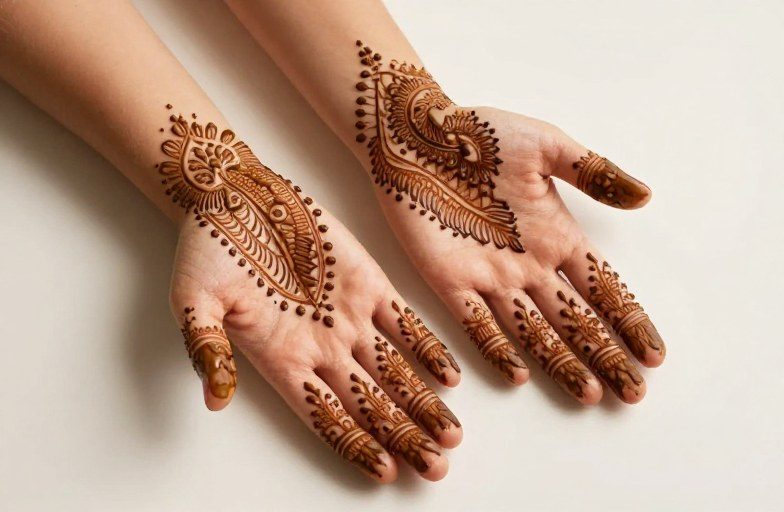
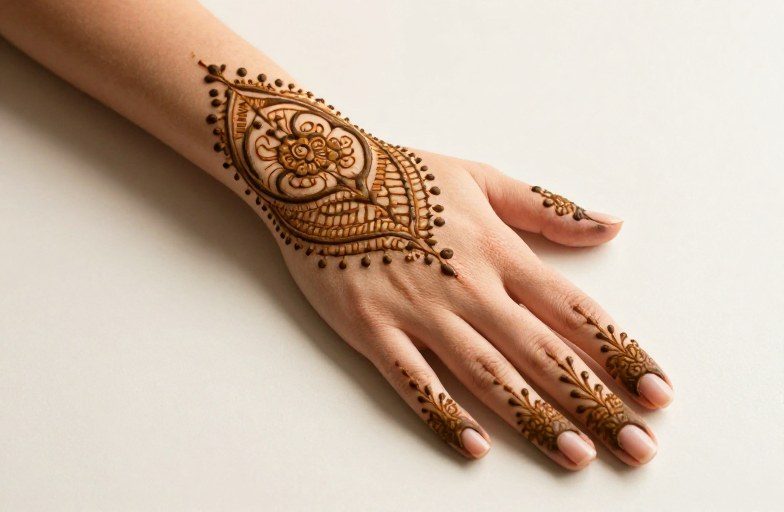
Henna tattoo care starts the moment the paste goes on your skin and continues for about two weeks as the stain peaks and gradually fades. Proper aftercare, keeping the paste on long enough, avoiding water early, and protecting the design from friction, makes the difference between a faint orange smudge and a deep, lasting stain. Here’s what actually works, drawn from how henna behaves on real skin in real conditions.
What to Expect Step by Step
The First Six Hours
Fresh henna paste sits on top of the skin like wet mud. Your job is to let it dry without disturbing it. This usually takes 30, 45 minutes in normal room temperature, longer in humidity. Once the surface is dry to the touch, many artists recommend a light seal, dab on a mixture of lemon juice and sugar, or use a commercial henna sealant spray. This keeps the paste crumbly but stuck, so it doesn’t flake off prematurely.
Leave the paste on as long as possible. Six hours is the practical minimum; overnight is better. The longer the henna paste contacts your skin, the deeper the lawsone dye migrates into the upper keratin layers. Sleeping with paste on means wrapping the area loosely in toilet paper or tissue, then covering with a sock or sleeve to protect your sheets. Not glamorous, but effective.
The Reveal and Development
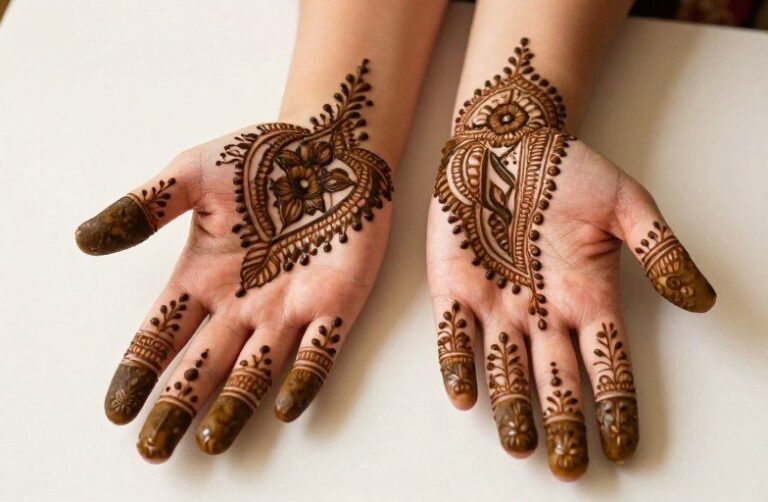
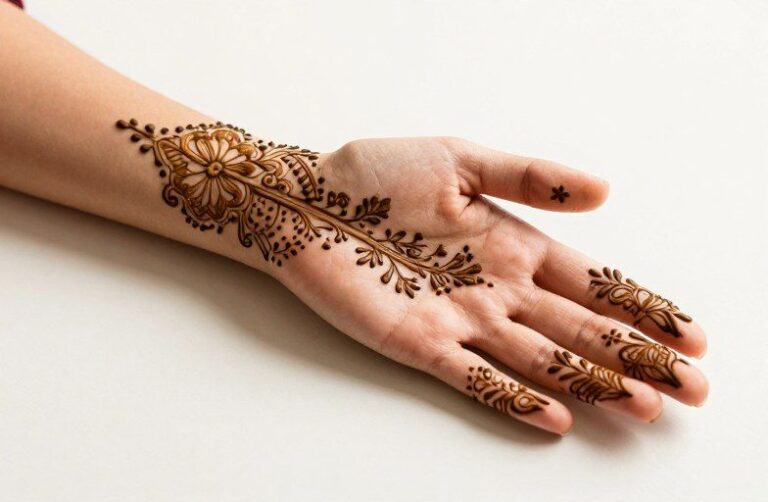
Scrape off dried paste with a butter knife or your fingernails, don’t wash it off with water. The initial color will be bright orange, sometimes alarming so. This darkens over 24, 72 hours as the stain oxidizes. Hands and feet, where skin is thickest, develop the deepest maroon-brown tones. Inner arms, backs, and other thin-skinned areas peak at a lighter reddish-brown.
- Day 1: Bright orange, slightly chalky appearance
- Day 2: Deepening to reddish-brown
- Day 3: Peak color, typically a rich mahogany on palms and soles
- Days 4, 10: Gradual fading from the edges inward
- Days 10, 14: Patchy residual stain, often lightest where skin flexes most
Realistic Expectations
Where Henna Lives Longest
Placement determines everything. Palms and soles stain darkest and last longest because the stratum corneum is thickest there, sometimes two weeks of solid color. Backs of hands, wrists, and ankles give moderate results, usually 7, 10 days of visible design. Forearms, shoulders, and upper back fade faster, often within 5, 7 days. The belly and chest? Thin skin and constant clothing friction mean you might get four decent days.
Individual body chemistry matters too. Oily skin sheds faster, carrying stain away. Dry skin holds henna longer but can look patchy as it flakes. There’s no predicting exactly how your specific skin will behave until you’ve tried it a few times.
What “Natural” Henna Actually Means
Real henna is Lawsonia inermis leaf powder mixed with lemon juice, tea, or water, plus essential oils like eucalyptus or lavender to release the dye. “Black henna” is a misnomer, often PPD (para-phenylenediamine), a hair dye chemical that can cause severe reactions. Natural henna never dyes black; at darkest it’s deep maroon-brown. If someone offers you instant black results, walk away. The stain from quality henna develops slowly and ranges from orange to dark brown depending on body chemistry and placement.
Common Mistakes
Water Exposure Too Soon
Water is the enemy of fresh henna. The first 24 hours after paste removal are critical, avoid washing the area, swimming, dishes without gloves, even long steamy showers that saturate the design. Water stops the oxidation process and leaches out undeveloped dye. If you must wash, do it quickly with cool water and pat dry immediately.
Exfoliation and Friction
Scrubbing, loofahs, gym friction, and tight clothing all accelerate fading. The stain sits in dead skin cells; anything that speeds skin turnover removes your design. Cooking with turmeric or other staining spices can also deposit color that muddies your henna’s clarity. Be particularly careful with hand designs during the first 48 hours.
- Don’t apply lotion for the first 24 hours, it creates a barrier that stops oxidation
- Don’t shave over the design; plan hair removal before your appointment
- Don’t pick at flaking paste; let it fall naturally
- Don’t trust “henna” that stains instantly black or smells strongly of chemicals
Cost Factors
Pricing varies by region, artist skill, and design complexity. In most US cities, simple hand or foot designs run $20, $60. Intricate bridal-style work covering both hands to the wrist or beyond can reach $150, $300. Festival or event pricing is often per design with set options, while private appointments allow custom work at higher rates.
DIY kits cost $10, $30 but quality varies enormously. Freshly mixed paste from a reputable supplier beats pre-made cones that may have been sitting for months. The dye in henna powder degrades over time; old product gives weak, short-lived stains. If you’re doing it yourself, buy from sources with high turnover, mix small batches, and freeze what you don’t use immediately.
Tips From the Chair
Warming for Deeper Stain
Heat helps. After removing paste, gentle warmth, a heating pad on low, or simply keeping hands near a radiator, can push slightly darker results. Don’t burn yourself; the goal is mild, sustained warmth, not cooking your skin. Some people wrap designs in cling film for the first night to trap body heat, though this can get uncomfortable and isn’t necessary for good results.
Clarifying Before Application
Clean skin takes henna better. Wash with plain soap, no moisturizer afterward, and ideally exfoliate a day before (not the day of). Oils, sunscreen, and lotion residue create barriers. If you’re getting henna at a festival where you can’t control prep, ask the artist to wipe the area with alcohol or lemon juice first.
For the darkest possible results, some experienced practitioners apply a thin second layer of fresh paste after the first has been on for several hours and the initial layer is fully dry. This isn’t standard practice and requires skill to avoid smudging, but it’s a technique that can intensify outcomes on stubborn areas.
Aftercare Essentials
The First 48 Hours
After scraping off paste, avoid water entirely for 12 hours if possible, 24 hours ideally. When you must get the area wet, keep it brief and cool. Pat dry, don’t rub. No lotion, no sunscreen, no makeup over the design. Let the oxidation happen uninterrupted.
Ongoing Maintenance
Once color has fully developed (day 2, 3), light natural oils help preserve it. Coconut oil, olive oil, or a thin layer of unscented lotion before bed can slow the fading process by reducing friction against sheets and clothing. Avoid petroleum jelly, which can trap moisture and actually accelerate sloughing in some people.
For hand designs, wearing gloves for dishes and cleaning protects your investment. For foot designs, socks at night reduce bed-sheet abrasion. Swimming in chlorinated pools will strip color faster than almost anything else, if you must, apply a thick layer of oil beforehand as a barrier, and rinse immediately after.
- Day 1, 2: No water, no products, gentle warmth if possible
- Day 3, 7: Light oiling, protect from friction and chemicals
- Day 7+: Color management, moisturize to prevent patchy flaking, or let it fade naturally
Final Thoughts
Henna sits in a unique space between permanent tattoo and temporary decoration. The care isn’t difficult, but it is specific, mostly patience, water avoidance, and realistic placement-based expectations. Unlike machine tattooing, there’s no needle trauma, no plasma weeping, no weeks of peeling skin. The challenge is environmental: keeping the paste on long enough, then protecting the developing stain from the water and friction that normal life throws at it.
Quality matters enormously. Fresh paste from skilled hands on well-prepared skin gives results that can genuinely compete with the depth and longevity of early permanent tattoos. Rushed application, stale product, or poor aftercare yields the faint, disappointing orange smear that gives henna its undeserved reputation as trivial or childish. Treat it seriously, follow the steps, and you’ll understand why this tradition has persisted for thousands of years.
Frequently Asked Questions
How long should I actually leave henna paste on my skin?
Six hours is the minimum for decent results, but overnight is significantly better. The longer the paste stays in contact with your skin, the deeper the dye penetrates. Many experienced practitioners aim for 8, 12 hours, sleeping with the paste protected by tissue and loose wrapping.
Why did my henna turn out orange instead of dark brown?
The color develops over 24, 72 hours after paste removal. Freshly scraped henna is almost always bright orange initially. If it stays pale after three days, the paste may have been old, the application too thin, or water exposure interrupted the oxidation process.
Can I shower with a fresh henna tattoo?
Avoid direct water on the design for the first 12, 24 hours after removing the paste. When you must shower, keep it brief and cool, keep the area out of the stream if possible, and pat dry immediately. Steamy bathrooms can also slow color development.
Is henna safe for everyone, including children?
Natural henna from the Lawsonia inermis plant is generally well-tolerated, but “black henna” containing PPD can cause severe allergic reactions. Patch test 24 hours beforehand if you have sensitive skin. Very young children sometimes react to essential oils in the mix, so simpler paste formulations are wiser for kids under six.