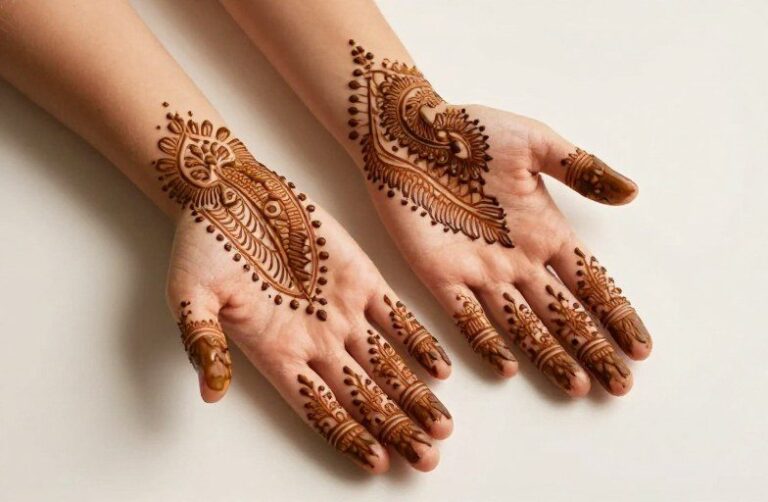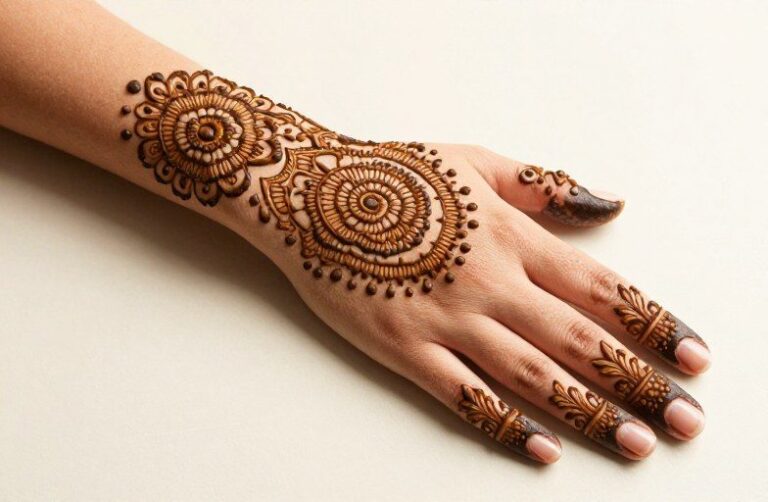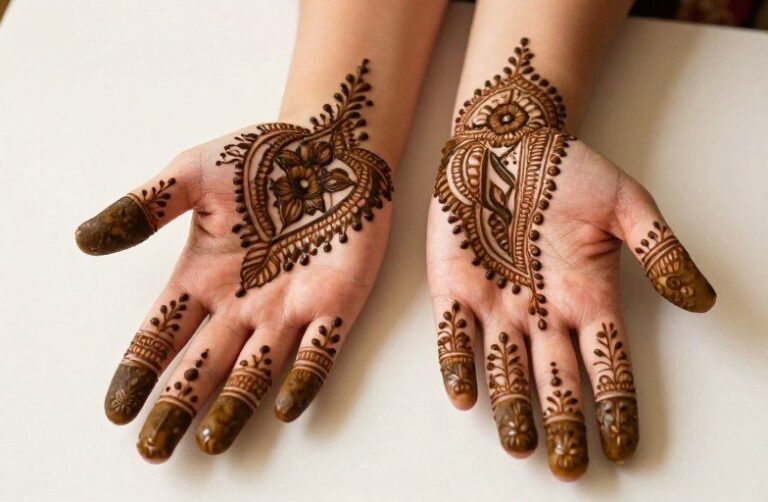
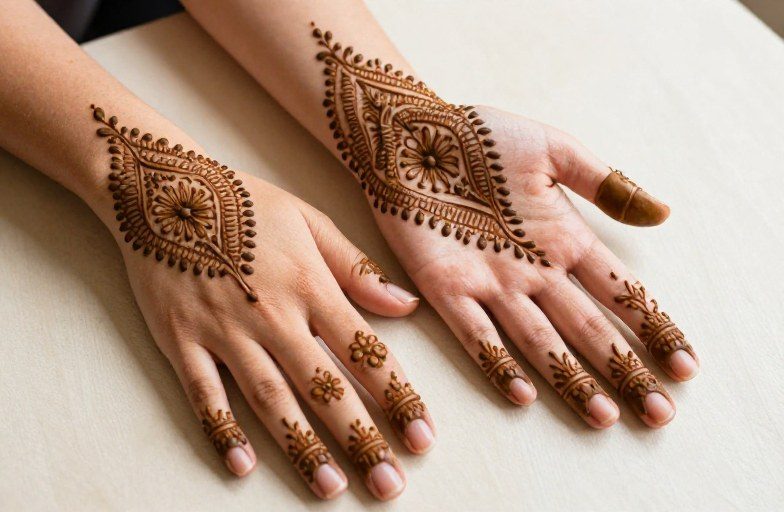
Removing henna quickly comes down to speeding up natural skin turnover. The stain sits in the dead skin layer, so exfoliation, oil-based softening, and warm water are your best tools. Most methods won’t erase it overnight, but they can cut the lifespan from two weeks down to a few days.
The Direct Answer
Henna’s not sitting on top like a sticker. Lawsone, the dye molecule, binds to the keratin in your dead skin cells. That means anything that accelerates shedding helps. Here’s the hierarchy of what actually works:
- Physical exfoliation: Salt or sugar scrubs, washcloths, or gentle pumice on tougher areas like palms or heels
- Oil soaking: Olive, coconut, or baby oil left on for 20-30 minutes to loosen the stained layer
- Warm water exposure: Long baths, swimming, or doing dishes softens and lifts the stain
- Chlorine: Pools and hot tubs accelerate fading noticeably
- Time: The only thing that fully removes it
Don’t expect miracles. A dark, fresh henna stain might only lighten 30-40% after aggressive treatment. Lighter, older stains fade faster because the binding’s already breaking down.
What Won’t Work
Acetone, nail polish remover, bleach, and abrasive sanding damage living skin without reliably reaching the stain. Lemon juice can irritate and photosensitize. Microblading removal creams and laser treatments are designed for implanted pigment, not surface stains, and they’re expensive overkill for something that resolves naturally.
What to Expect Step by Step
Day 1-2: Fresh Stain
The paste is gone, the orange-brown color is developing. At this stage, the dye’s still oxidizing and binding. Scrubbing now yields minimal results and can irritate the skin. If you absolutely must act, start with warm oil soaks and gentle exfoliation. The color will darken to its peak over 48 hours regardless of what you do.
Day 3-7: Peak Color, Best Removal Window
This is when your efforts pay off most. The stain’s fully developed and the skin’s ready to turn over. Combine methods: oil soak first to soften, then scrub with a mixture of sugar and olive oil. Follow with a warm shower. Repeat daily. On hands and feet, where skin’s thickest, you might see significant lightening. On thin skin like wrists or collarbones, progress is slower.
Day 8-14: Fading Naturally
Even without intervention, the stain’s patchy and lighter. Continued exfoliation and normal activity, gym sweat, showers, hand-washing, finish the job. By day 14, most henna is barely visible on fair skin, though darker complexions sometimes retain a faint shadow longer because the contrast’s lower, not because the stain persists differently.
Tips From the Chair
Working around skin daily teaches you what accelerates wear on pigment. These observations apply directly to henna removal:
- Location matters enormously: Palms and soles fade fastest because the skin’s thick and constantly regenerating. Inner wrists and behind ears hold stain longest due to thin, protected skin
- Aftercare products backfire: The same balms that preserve real tattoos, Aquaphor, cocoa butter, create a barrier that slows henna fading. Skip them on the stained area
- Shaving exfoliates: If the henna’s on a shaven area, each shave removes a micro-layer. Not applicable for hands, but useful for legs or arms
- Professional context: If you’re clearing henna for a real tattoo appointment, most artists won’t tattoo over stained skin. The dye can obscure stencil lines and complicate color assessment. Start removal at least a week before your session
The Salt Trick
Coarse sea salt mixed with enough oil to form a paste creates effective, controllable abrasion. Work in small circles for two minutes, rinse thoroughly, moisturize after. Overdoing it causes raw, shiny skin that’s more visible than the fading henna. Once daily is the practical limit.
Healing Timeline
Henna itself doesn’t wound the skin, but aggressive removal can. Here’s how to recognize when you’ve crossed from useful exfoliation into actual damage:
- Normal: Slight pinkness immediately after scrubbing, fading within an hour
- Concerning: Persistent redness, stinging, or tightness lasting into the next day
- Stop immediately: Broken skin, oozing, or sharp pain
Compromised skin needs the same care as a mild abrasion: keep it clean, don’t re-scrub until fully recovered, and expect the area to re-pigment unevenly if you resume too aggressively. The henna will last longer on damaged patches because the body prioritizes repair over shedding.
How Real Tattoos Compare
Understanding the difference helps set expectations. Henna stains approximately 0.01-0.02mm deep in the stratum corneum. A tattoo needle deposits ink at 1.5-2mm into the dermis, below the shedding layer. That’s why tattoos persist and henna doesn’t. No home method reaches tattoo depth, which is why laser removal exists for ink but not for henna. Your scrubbing is effective precisely because henna’s so superficial.
Pain & Comfort
Proper henna removal shouldn’t hurt. A mild scratching sensation during salt scrubbing is normal. Anything sharper means you’re damaging living tissue. The oil-soak method is entirely painless and works well for sensitive areas or low pain tolerance.
Hands take the most abuse in daily life and therefore tolerate the most aggressive treatment. Faces, necks, and inner arms need gentler approaches. If you’re removing henna from a child’s skin, stick to warm baths and soft washcloths, no abrasives.
When to Accept the Timeline
Some situations aren’t worth the skin trauma. Job interviews with visible hand henna, military processing, or similar time pressures might seem urgent, but damaged skin draws more attention than faded stain. A light, even henna ghost is usually less noticeable than a scabbed, irritated patch. Start removal early, be consistent, and let the last 20% fade naturally if the alternative is injury.
Common Mistakes
These errors come from impatience and misinformation:
- Scrubbing multiple times daily: Skin needs 24-48 hours to regenerate between sessions. More frequent scrubbing just inflames without additional fading
- Using undiluted essential oils: Tea tree, eucalyptus, and clove oils are sometimes suggested for “breaking down” henna. They irritate skin without proven benefit for stain removal
- Expecting complete same-day removal: Even aggressive methods leave visible residue for 3-5 days minimum on dark stains
- Ignoring aftercare of the surrounding skin: Dry, cracked skin around the henna looks worse than the stain itself. Moisturize the perimeter, avoid the stained center
- Assuming all henna reacts the same: “Black henna” often contains PPD (para-phenylenediamine), a hair dye chemical that penetrates deeper and can cause allergic reactions. If you suspect PPD, don’t scrub, see a dermatologist. The stain’s also more persistent and potentially dangerous to aggressively remove
The Bottom Line
Henna removal is a waiting game you can nudge along. Oil, warm water, and gentle daily exfoliation are the reliable trio. Start as early as possible, respect your skin’s limits, and don’t chase perfect results at the cost of visible damage. For most people, a week of consistent effort reduces a dark stain to something easily covered or ignored. If you’re clearing space for permanent work, communicate with your tattoo artist about residual color, they’ll appreciate the heads-up and can adjust stencil application accordingly.
Frequently Asked Questions
Can I get a real tattoo over faded henna?
Most artists prefer completely clear skin. Residual henna can distort stencil ink and make color matching harder. Start removal at least 7-10 days before your appointment and mention any remaining stain when booking.
Does black henna come off the same way?
Black henna often contains PPD, which stains deeper and can trigger allergic reactions. Don’t aggressively scrub suspected PPD stains, consult a dermatologist. The removal methods here apply to traditional brown/orange henna only.
Will swimming in the ocean remove henna faster?
Salt water and sand provide natural exfoliation, so beach time helps. However, sun exposure on fresh henna can darken the stain temporarily. Rinse after swimming and moisturize to prevent the surrounding skin from drying out.
Can I use a chemical exfoliant like glycolic acid?
Acid exfoliants can accelerate fading but increase photosensitivity and irritation risk. If you already use them for skincare, they may help as a secondary method. Don’t start strong acids solely for henna removal, physical methods are more predictable and safer for occasional use.