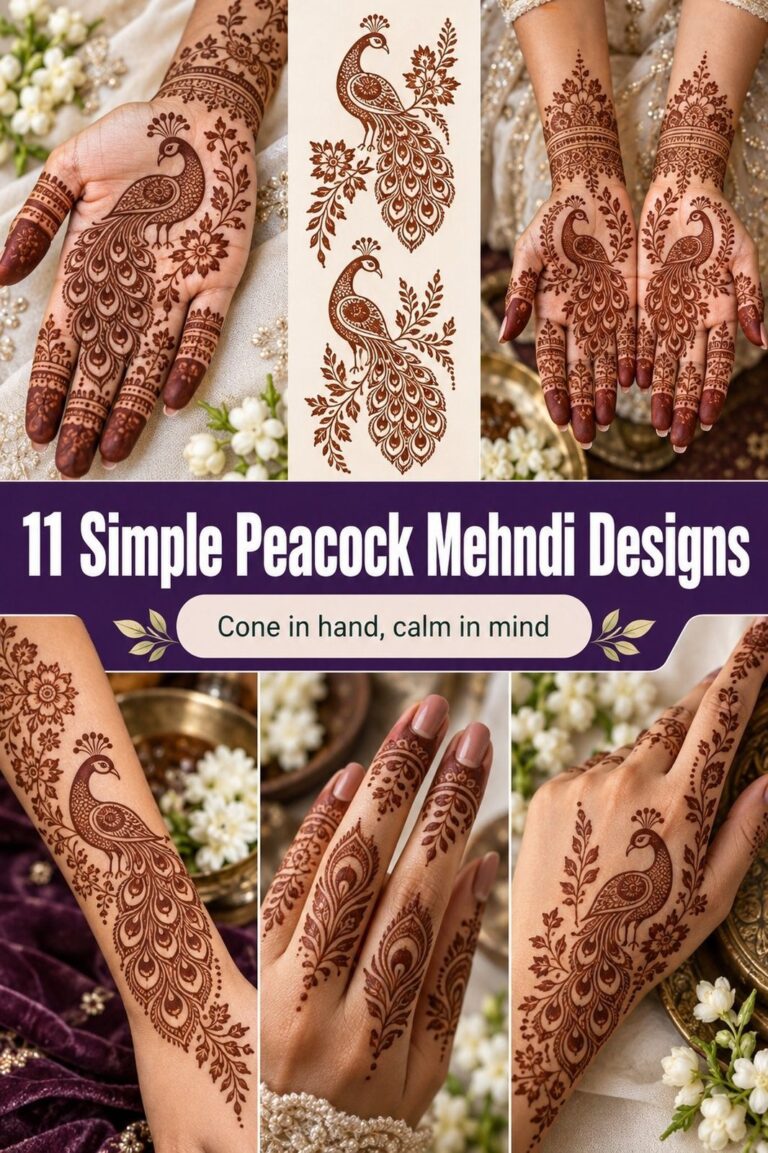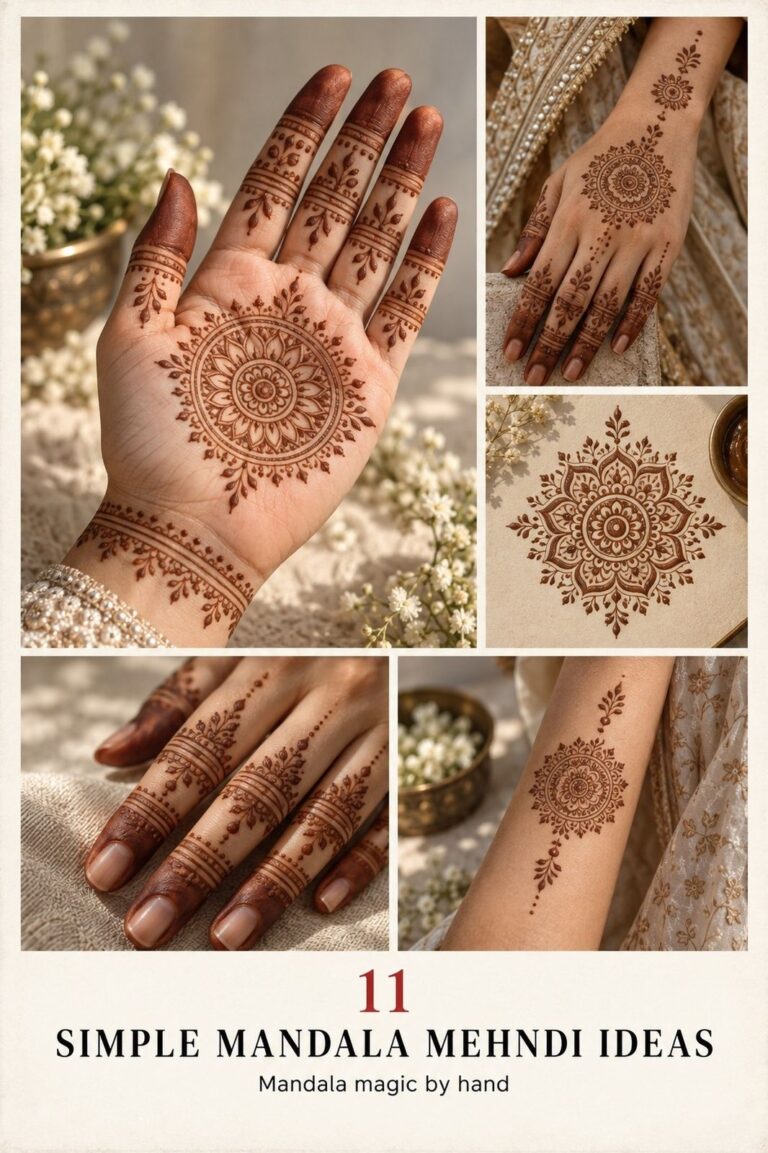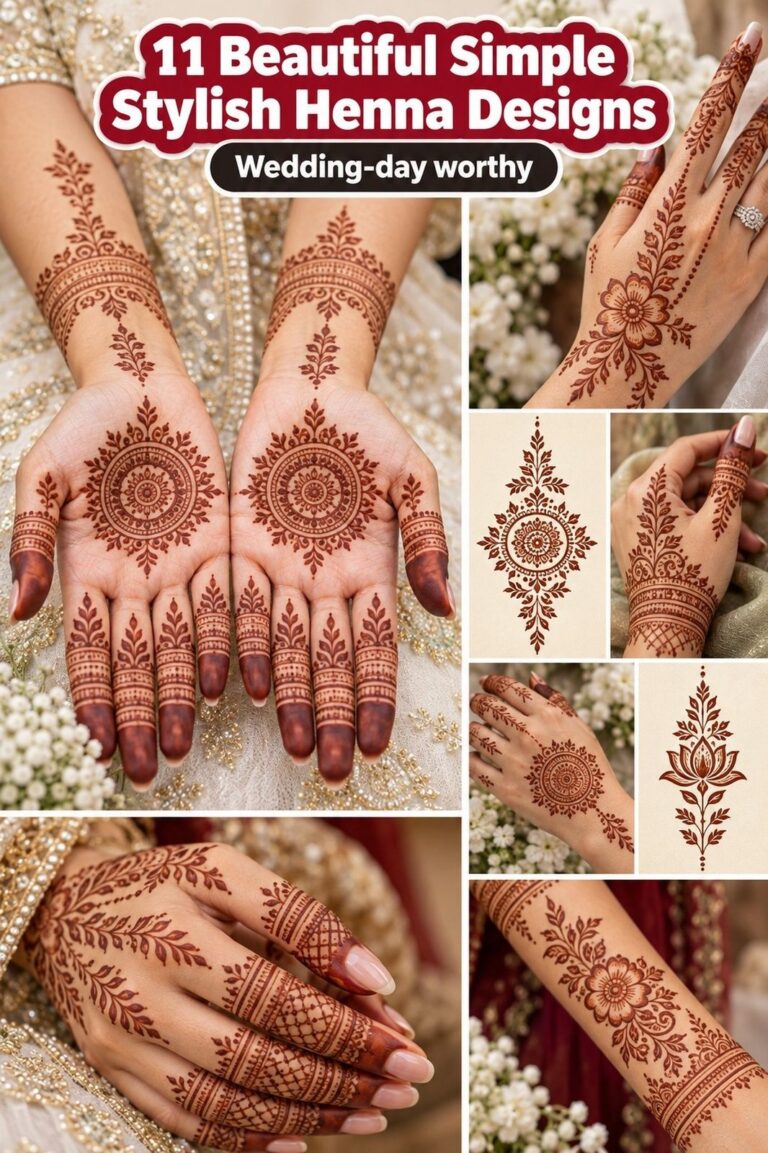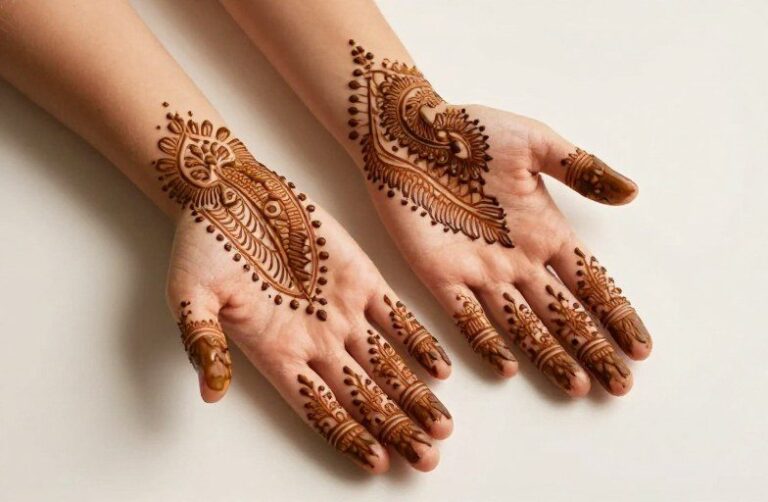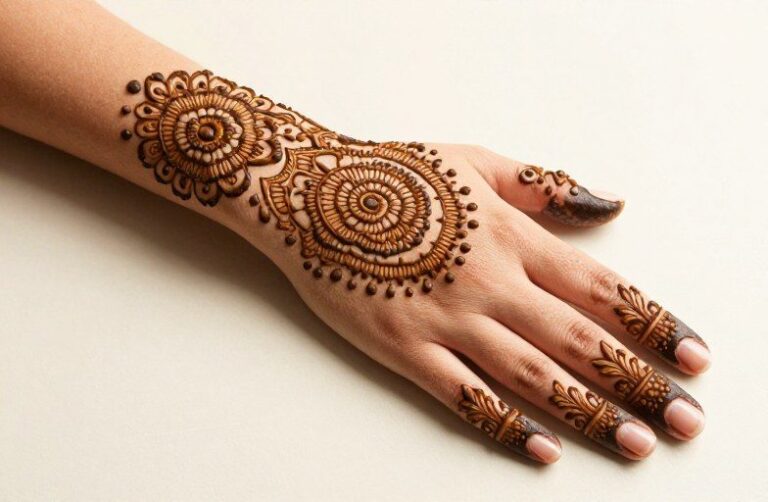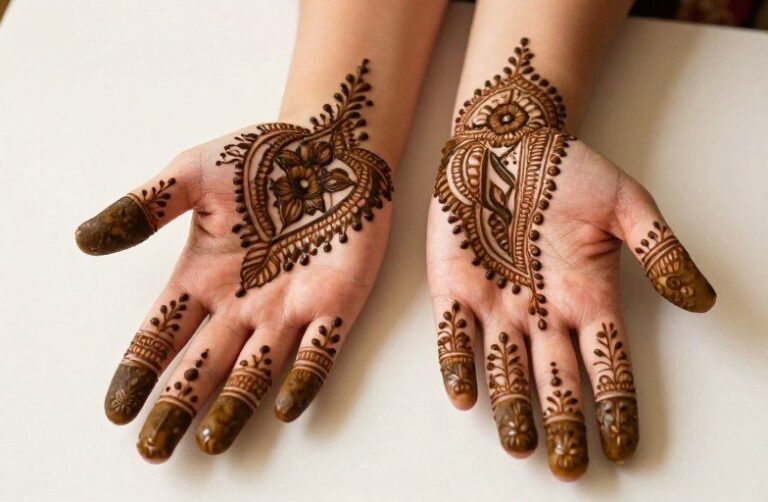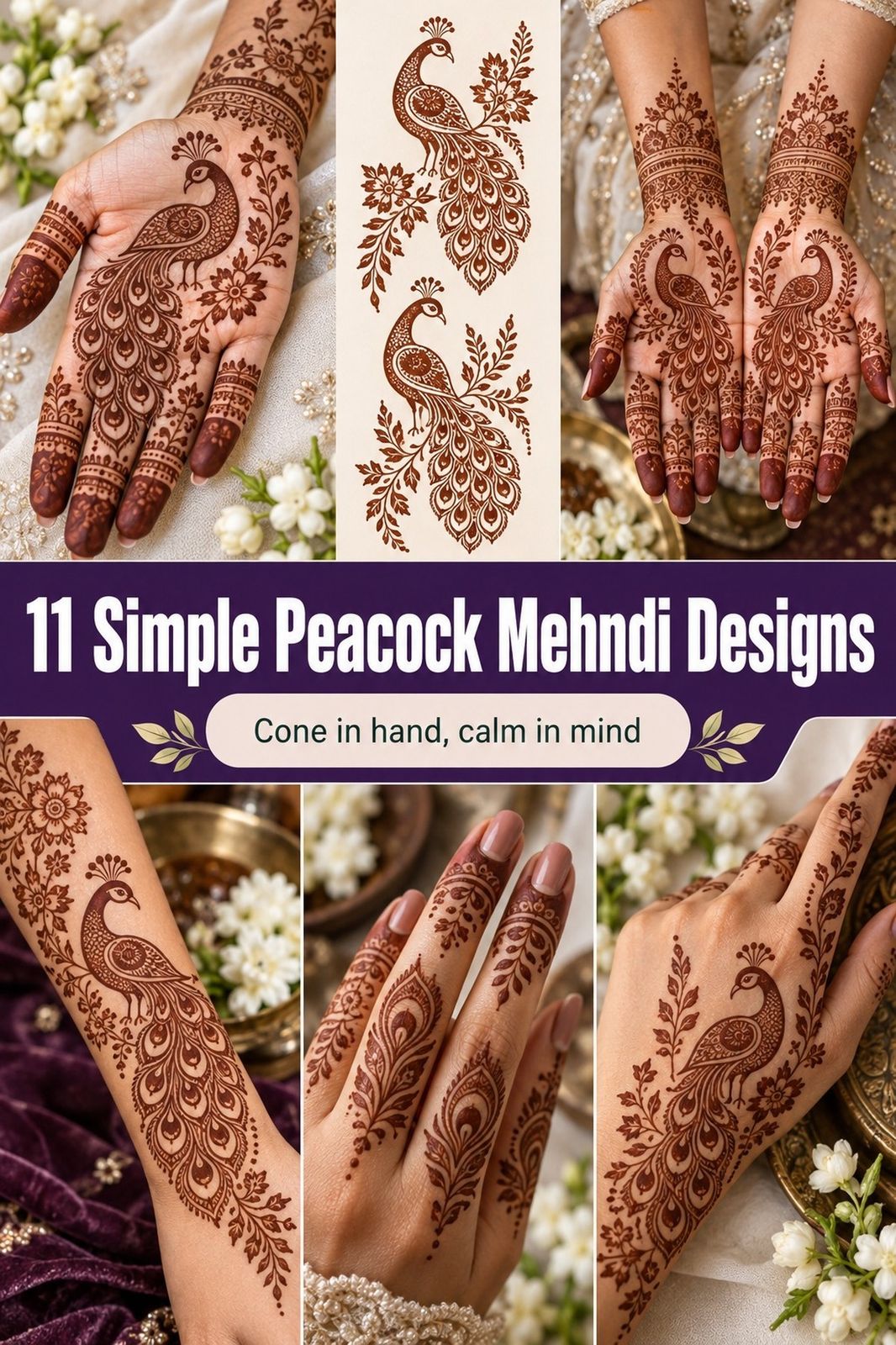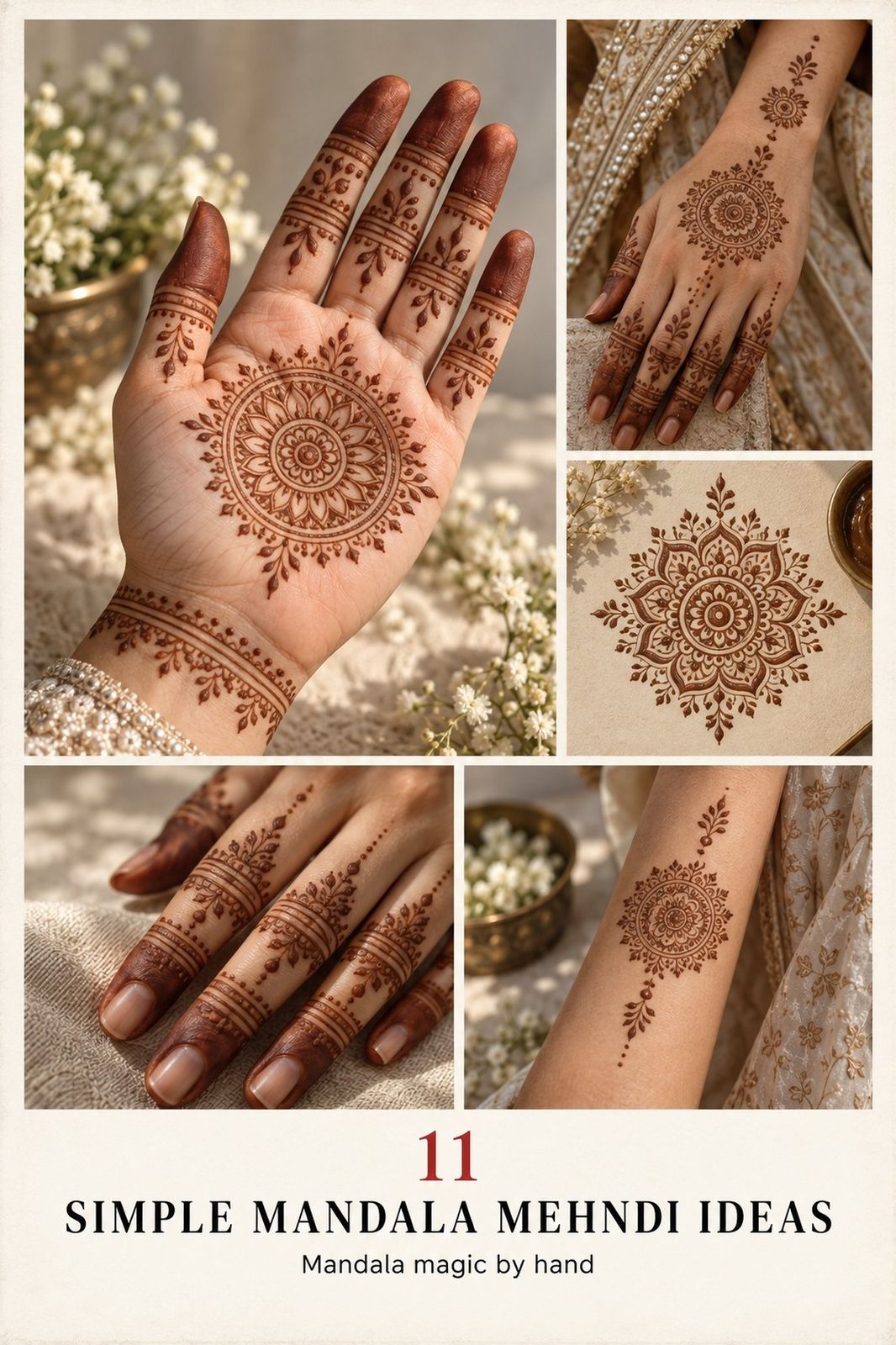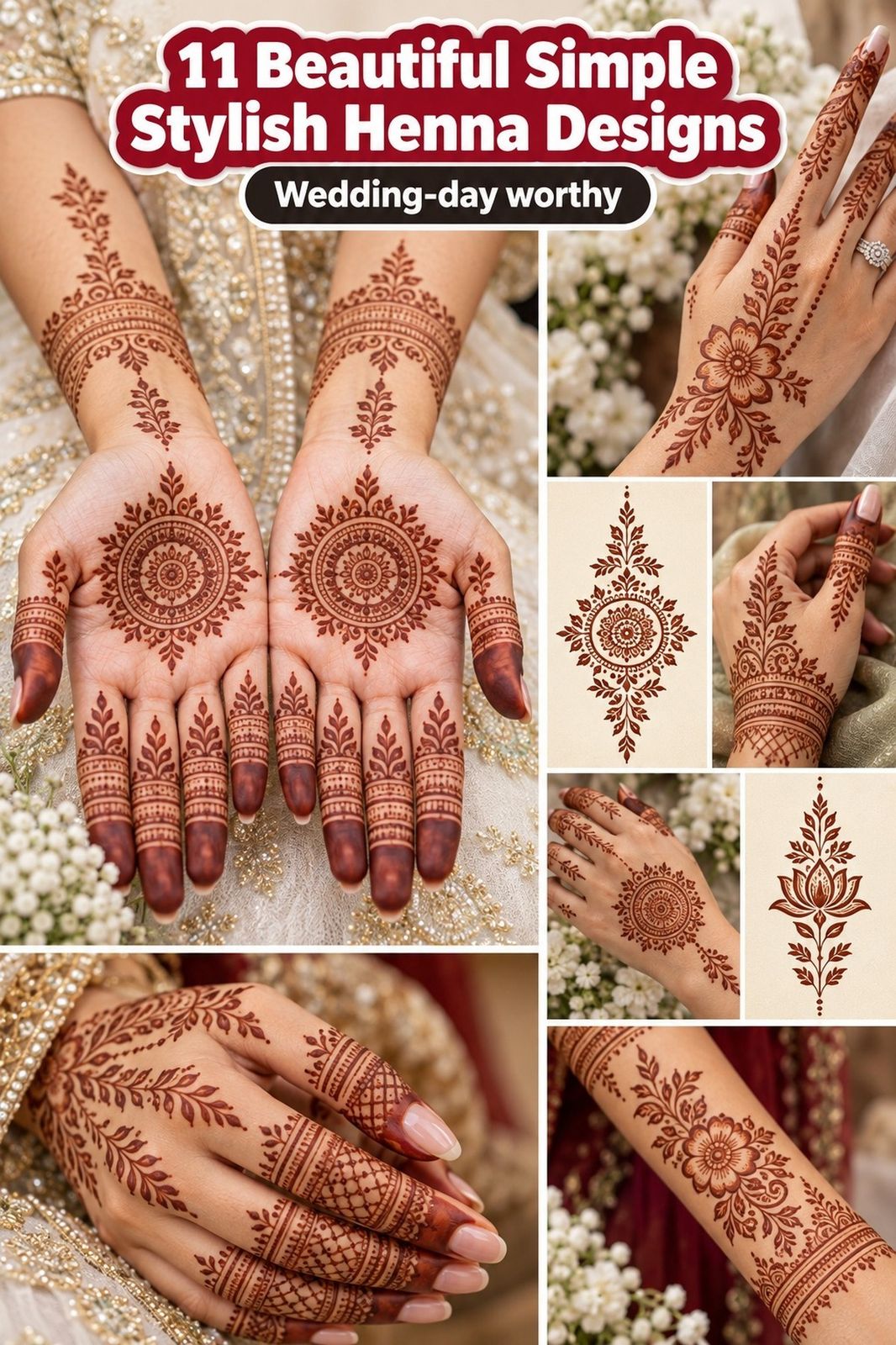
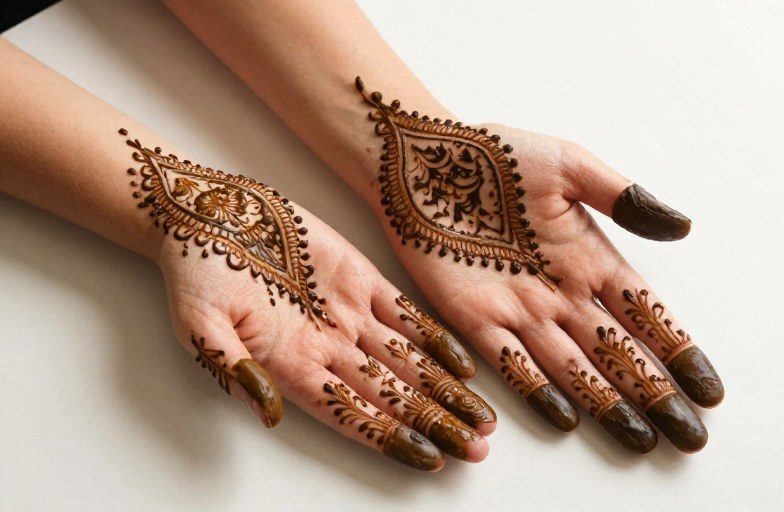
Putting oil on a henna tattoo refers to the aftercare practice of sealing dried henna paste with natural oils to deepen the stain, but as a permanent tattoo motif, it symbolizes ritual transition, cultural reverence, and the bridge between temporary body art and lasting commitment. The image often pairs henna-inspired linework with oil vessels, olive, coconut, or mustard seed, to honor where the tradition comes from and what it protects.
Symbolism & Core Meaning
At its heart, this motif carries dual weight: the fleeting beauty of henna and the permanence of oil as preservative. Henna stains fade in two to three weeks; oil slows that fading, making the pairing a meditation on impermanence and care. People drawn to this design often connect to themes of transition, marriages, coming-of-age ceremonies, or personal thresholds where temporary ritual marks a permanent change.
What the Oil Specifically Represents
Different oils carry different resonances in the design:
- Olive oil: Mediterranean and Middle Eastern associations; links to ancient purification and anointing practices
- Coconut oil: South Asian and Southeast Asian contexts; cooling properties tied to post-henna soothing in hot climates
- Mustard oil: North Indian and Bengali traditions; pungent, warming, used in pre-wedding henna nights to deepen color overnight
- Generic oil vessel: Universal symbol of preservation, nourishment, and the labor of maintaining beauty
The oil isn’t decorative filler. In composition, it anchors the design, often placed below or beside flowing henna patterns as a visual “source” that feeds the ornamental growth above it.
Permanence vs. Temporariness
There’s a quiet tension here that makes the tattoo compelling. Henna itself is not a tattoo; it’s a surface stain. Rendering it in permanent ink acknowledges what we wish could last. The oil element admits that preservation requires active effort. Together, they refuse both naive permanence and pure nostalgia.
History & Cultural Roots
Henna body art spans roughly 5,000 years across regions from the Levant to South Asia, with archaeological evidence often linked to ancient Egypt and the Bronze Age Levant. The practice of oiling henna paste, whether to prevent cracking, deepen lawsone release, or protect clothing from flakes, developed organically across these regions rather than from a single origin point.
Regional Aftercare Variations
How oil enters the process differs by tradition:
- In Rajasthan and Gujarat, brides sleep with mustard-oiled henna wrapped in cloth, the warmth and lipid content drawing maximum dye into skin
- In Moroccan naqsh traditions, olive oil gets dabbed on after paste removal to slow exfoliation and extend the stain’s life
- In Sudanese hinna practices, oils sometimes mix directly into the paste rather than serving as aftercare alone
A tattoo referencing these practices should ideally specify which tradition it speaks to, or remain deliberately ambiguous if the wearer connects to multiple lineages.
From Ritual to Commercial
Modern pre-mixed henna cones and aftercare oils have standardized what was once household knowledge. The tattoo motif sometimes critiques this flattening, showing a hand-pressed oil vessel against machine-perfect henna patterns, or vice versa, to contrast organic and industrial approaches to cultural practice.
Mythology & Folklore
Stories surrounding henna and oil rarely isolate the two; they intertwine in broader narratives of protection, fertility, and spiritual sight. Some trace henna’s protective properties to Islamic traditions where it was used to cool the Prophet’s followers, though this connection remains debated among historians. The oil component more commonly appears in folk medicine contexts, applied to ward off the “evil eye” or seal blessings into the skin.
Bridal and Protective Lore
Across North Africa and the Middle East, elaborate henna nights before weddings incorporated oil lamps and oil-anointing as parallel protective acts. The tattoo design may reference this convergence: a hennaed hand reaching toward flame, or oil drops falling into patterned palms. Darker stains were read as signs of stronger love or deeper family approval, making the oil’s role in achieving that darkness quietly consequential to marital folklore.
Scent and Memory
Unlike most tattoo subjects, this one carries olfactory dimension. Eucalyptus, tea tree, and clove oils often scent henna paste itself. A visual design can’t reproduce smell, but artists sometimes suggest it through wavy, aromatic-looking lines rising from the oil element, or through color choices, warm ambers, deep greens, that evoke scented memory for those who’ve sat through actual henna application.
Design Tips & Pairings
This subject demands precision in line weight and pattern density. Henna-inspired tattoos fail most often when artists treat the ornamental elements as generic “tribal” filler rather than studying actual mehndi composition rules.
Line Work vs. Shading
Authentic henna is pure line, no shading, no gradients. A tattoo honoring this should commit to crisp, consistent linework or deliberately break that rule for contrast. Popular approaches include:
- Strict black-line henna patterns with the oil element rendered in soft graywash or color, creating material distinction
- All-black design with the oil vessel as negative space, letting skin tone read as liquid
- Fine single-needle detail for henna motifs, heavier bold lines for the oil container, emphasizing weight and permanence
Shading within “henna” areas typically reads as inauthentic unless it’s used to suggest the stain’s color variation on actual skin, darker at fingertips and palms, lighter toward the wrist.
Placement Considerations
The back of the hand and wrist remain most natural, mirroring actual henna placement. Forearms work well for larger compositions that include the oil vessel as a separate element. Ribs and thighs suit scaled-up versions where the pattern becomes abstracted and the oil vessel monumental. Avoid areas where thick black linework will blur significantly over time, finger sides, inner wrists, and feet age poorly for fine detail.
Complementary Motifs
Pairings that respect rather than exploit the cultural source:
- Date palms or pomegranates, plants whose oils and dyes share regional origins
- Brass or copper vessels, specific to oil-storage traditions rather than generic “exotic” pots
- Geometric borders from actual Islamic or Indian architectural sources, not pan-“tribal” patterns
- Text in relevant scripts, Arabic, Devanagari, Berber Tifinagh, if the wearer has genuine connection
Similar & Related Symbols
Several tattoo subjects occupy adjacent symbolic territory without direct overlap. Understanding these distinctions helps clarify what this specific motif offers.
Henna alone, without the oil element, emphasizes ornament and celebration. The oil addition introduces labor, care, and the passage of time. Compare to:
- Traditional tattoo flash hands: Often holding daggers, roses, or religious icons, Western symbolic vocabulary with no temporal fading built in
- Sak Yant or Buddhist yantra tattoos: Also culturally specific, also protective, but permanent by intention rather than contrasting temporary and lasting
- Vanitas imagery with hourglasses or wilting flowers: Western memento mori tradition; shares impermanence theme but lacks the active preservation element oil provides
- Scientific beakers or flasks: Modern “preservation” imagery; sterile, analytical, stripped of ritual warmth
The henna-and-oil motif occupies a rare space: culturally grounded, temporally complex, and tactile in ways that resist abstraction.
Who Chooses This Tattoo
Wearers typically fall into three categories with different responsibilities regarding the design.
Diaspora and Heritage Connections
Those with family henna traditions often choose this to honor grandmothers, aunts, or wedding rituals they participated in but don’t actively maintain. The oil element specifically may reference remembered aftercare, being told not to wash, to oil, to protect the stain. These tattoos carry autobiographical weight and require artists to execute patterns with enough accuracy to honor that memory.
Adopted Appreciation vs. Appropriation
Those without cultural connection face harder questions. The motif can work if the wearer genuinely understands the practices referenced, if the artist studies actual pattern traditions rather than copying Pinterest approximations, and if the design avoids sacred or specifically religious henna forms (certain bridal patterns, protective symbols with specific spiritual function). The oil element actually helps here, it’s a universal human technology (preservation, nourishment) that can frame the henna patterns respectfully without claiming ownership.
Transition and Threshold Markers
Beyond cultural connection, some choose this to mark personal transitions with a symbol of deliberate, cared-for change. The henna fades; the oil slows that fading; the tattoo lasts. The sequence becomes a private logic about how we handle life’s impermanent phases.
The Takeaway
The “what oil do you put on a henna tattoo” motif works best when it resists becoming merely decorative. Its power lies in the friction between temporary ritual and permanent mark, between organic fading and deliberate preservation. If you’re connected to henna traditions by blood, by marriage, or by philosophical attraction to its themes, the design demands specificity: accurate patterns, culturally grounded oil references, and placement that respects how the image will age. Done carelessly, it’s generic “exotic” filler. Done with attention, it holds genuine tension about what we try to keep, and what we accept will pass.
Frequently Asked Questions
Does the type of oil in the tattoo design need to match my actual heritage?
Not strictly, but accuracy matters. If you have Gujarati roots, a mustard oil reference resonates specifically; if you’re drawn to the motif aesthetically, a generic vessel works better than faking a connection you don’t have. The design should be honest about its relationship to tradition.
How well does fine henna-style linework hold up over years?
Thin lines on high-movement areas like wrists and fingers spread and blur within five to ten years. For longevity, keep fine detail to the forearm or upper arm, or accept that the tattoo will soften into a more impressionistic version of itself, which can actually suit the fading-henna theme.
Can this design work in color, or should it stay black and gray?
Color can work if it references actual henna’s orange-brown stain progression or specific oil colors, golden olive, pale coconut. Avoid rainbow gradients that break the motif’s grounded, material quality. Most successful versions use limited color as accent against dominant black linework.
Is it disrespectful to get this tattoo if I’ve never had real henna applied?
It depends on execution and intent. Never having participated in the tradition isn’t automatically appropriation; never researching it, choosing inaccurate patterns, and treating the design as generic “boho” decoration is. Consult with artists who understand South Asian or North African pattern traditions, and avoid specifically sacred or bridal-only motifs.