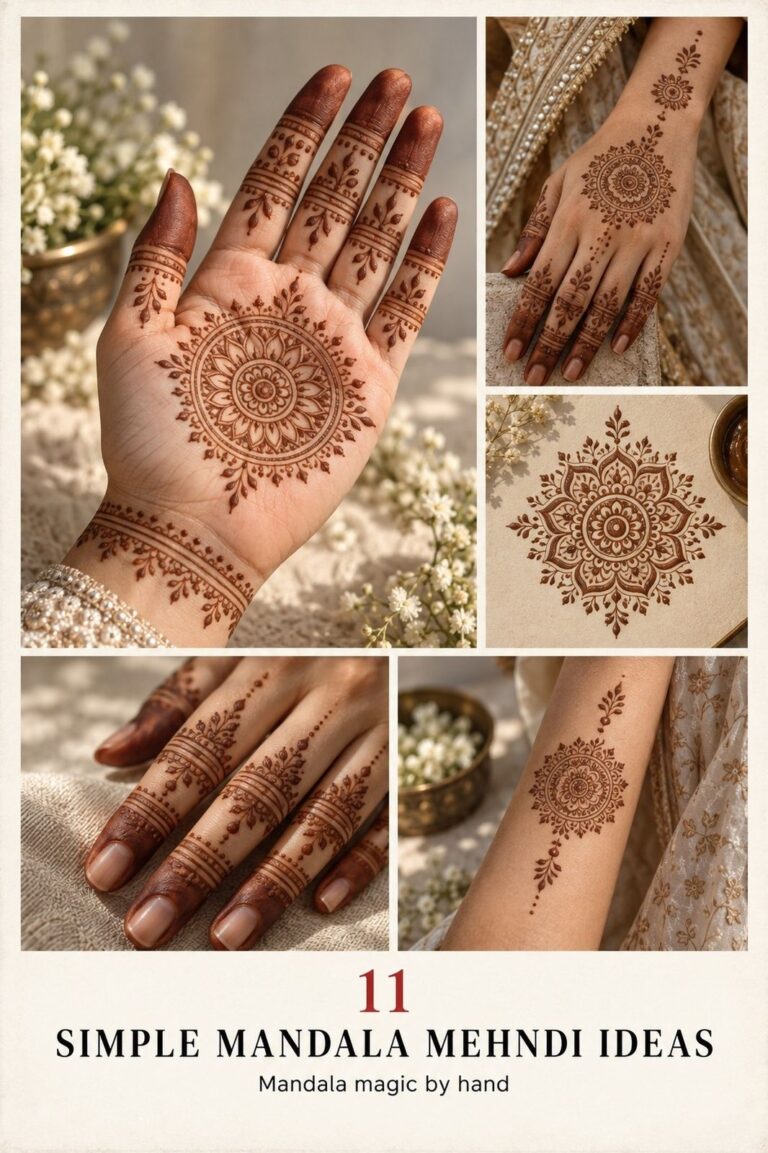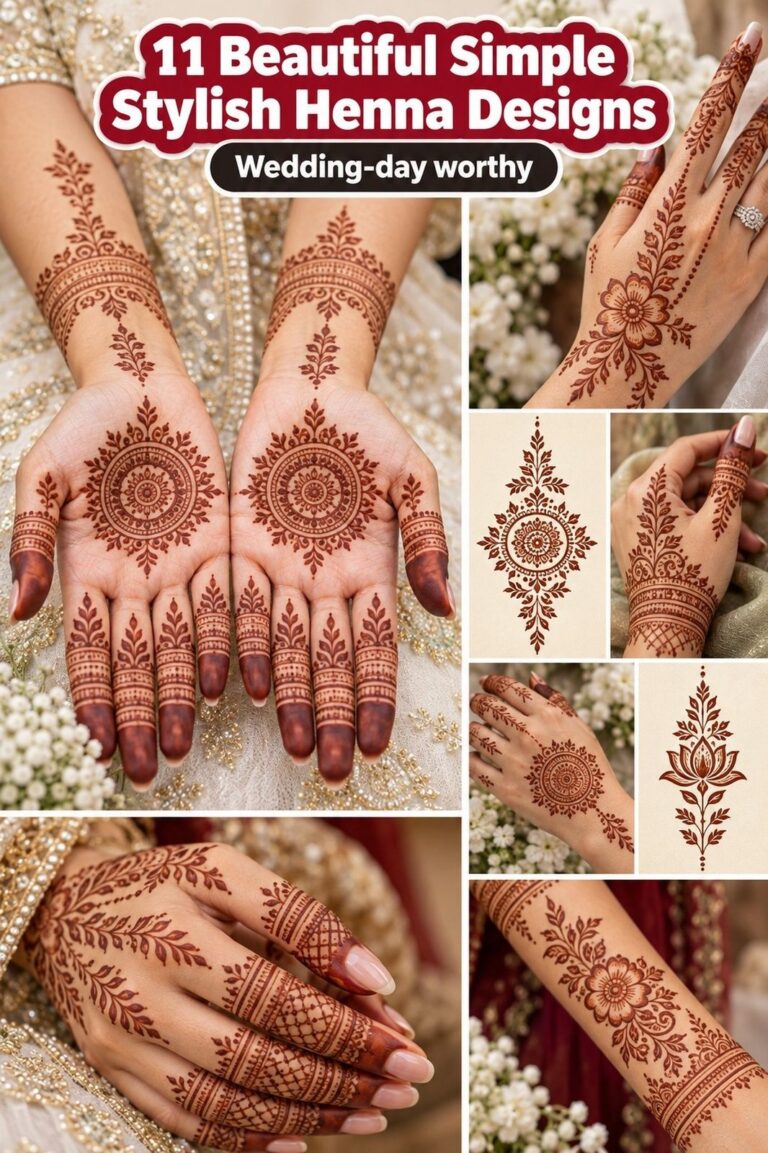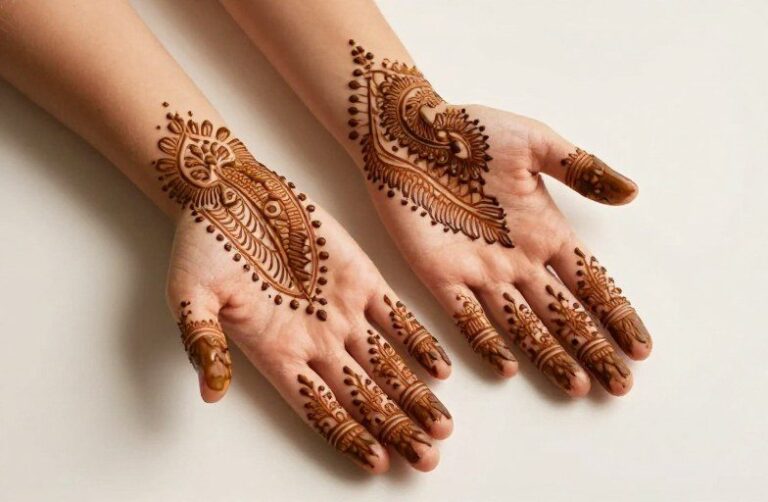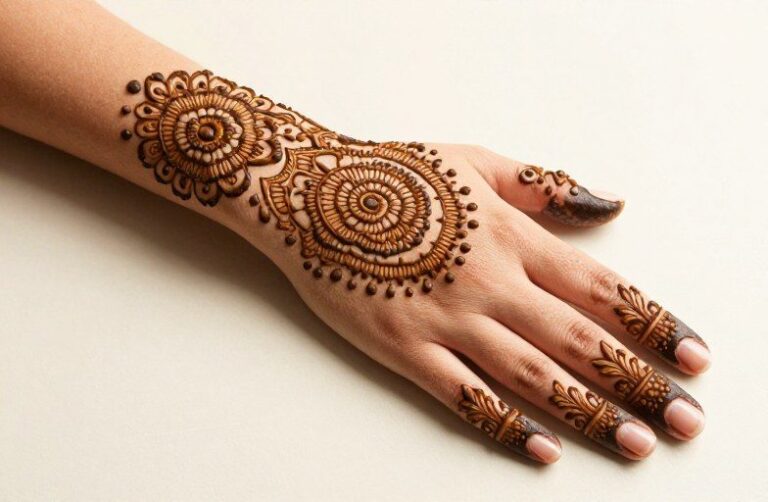
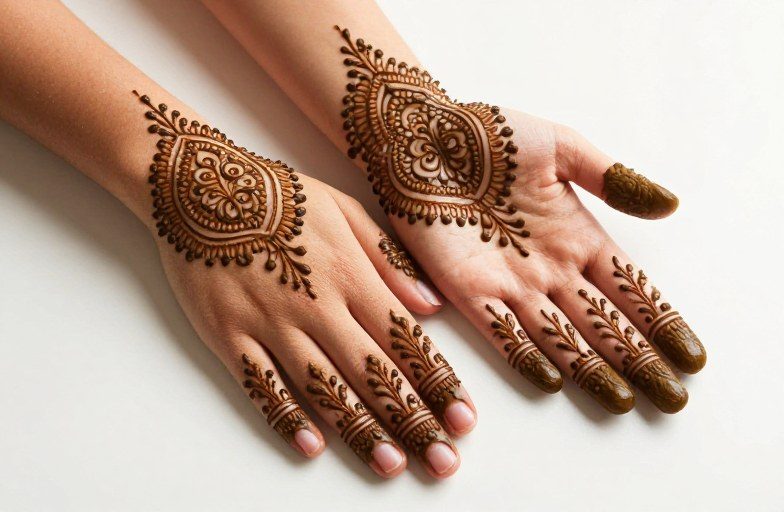
The direct answer: keep natural henna paste on your skin for 6-12 hours, avoid water for the first 24 hours, and protect the stain from friction and exfoliation for 48-72 hours. The color deepens over 48 hours and fades gradually as your skin naturally renews itself. What follows is how to actually do this right, without the internet myths that waste your time.
Cost Factors
Price usually reflects ingredient quality and application time, not just the artist’s reputation. Understanding where your money goes helps you choose wisely.
What You’re Actually Paying For
Natural henna powder costs more than chemical “black henna” alternatives. Artists using lemon juice, essential oils, and organic powder charge accordingly. A small palm design might run $15-40. Full hand and forearm work can reach $75-150. Festival pricing often inflates this by 30-50% for convenience.
- Paste made fresh that day stains darker than week-old mix
- Essential oils (tea tree, cajeput, lavender) improve dye release and longevity
- Intricate bridal work takes 3-6 hours and prices reflect that labor
- Pre-made cones from unknown sources often contain preservatives that weaken stain
Hidden Costs of Cheap Henna
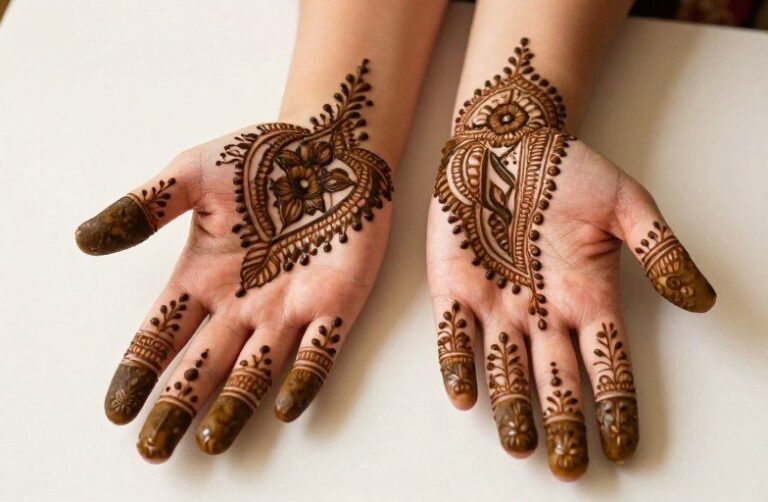
That $5 cone from a gas station or beach boardwalk? It likely contains PPD (para-phenylenediamine), the same chemical in dark hair dye. It stains fast and black, but it doesn’t last longer, often it fades patchily and can scar. Real henna gives a brown-orange stain that matures to deep burgundy or near-black on palms and soles. The color range itself is a quality indicator.
Realistic Expectations
Henna is a surface stain, not an ink implant. Your body constantly sheds skin cells, and the dye sits in the uppermost layers. This biological reality sets hard limits on duration.
Where It Lasts Longest
Thicker skin with more keratin holds dye better. Palms and soles often show strong color for 2-3 weeks. Backs of hands and feet: 1-2 weeks. Arms, legs, and torso: 5-10 days. Face and neck: 3-7 days. The pattern fades unevenly as high-friction areas exfoliate faster.
- Palms: darkest stain, longest duration due to thick skin
- Inner wrist: moderate stain, fades where watch or bracelet rubs
- Upper arm: lighter initial color, faster fade from clothing contact
- Back: difficult to keep undisturbed during sleep, often patchy fade
The Color Journey
Don’t panic when the paste flakes off to reveal pale orange. The stain oxidizes and darkens over 24-48 hours. Peak color usually hits around day two. After that, it’s a slow fade. Photos you see online of deep black or purple henna are either filtered, fresh paste still on skin, or chemical adulterants.
When to See a Professional
Not all henna application is equal. Certain situations warrant finding someone who understands skin chemistry and design flow.
Red Flags in DIY or Street Henna
Strong chemical smell, immediate dark color, or the artist refusing to disclose ingredients all signal PPD risk. Allergic reactions can blister and scar. A professional using natural paste will tell you exactly what’s in their mix and will patch-test if you have sensitive skin.
- Natural paste smells earthy, slightly like hay or tea
- Professional artists store paste frozen and thaw small batches
- They adjust oil ratios for dry versus oily skin types
- They know which body areas take stain poorly and will advise accordingly
Complex Designs Worth the Investment
Bridal work, anything requiring symmetry, or designs wrapping around joints benefit from steady hands and experience. A pro also knows how to seal the paste so it doesn’t crack and flake off prematurely, critical for maximum duration.
Tips From the Chair
Application technique matters as much as aftercare. Here’s what actually extends stain life, gathered from artists who’ve refined their process over years.
Pre-Application Prep
Clean skin with plain soap, no lotion residue. Some artists lightly exfoliate with sugar or a washcloth the day before to remove dead skin buildup. Avoid shaving immediately beforehand, micro-cuts can cause uneven absorption and irritation.
- Hair removal: do it 24 hours prior, not same day
- Oils on skin: wash off completely; they block dye penetration
- Skin temperature: warm skin takes stain better than cold
- Timing: evening application lets you sleep with paste on, undisturbed
During Application
Thicker paste lines deposit more dye. The paste should be toothpaste-consistency, not runny. After the design sets slightly, some artists apply a lemon-sugar sealant, this keeps the paste moist and in contact with skin longer without drying and flaking. Wrapping with medical tape or toilet paper (not plastic wrap, which sweats) protects the design during sleep.
Aftercare Essentials
The first 48 hours determine your stain’s depth and longevity. This is where most people lose potential color.
The First Day
Keep the paste on as long as possible, minimum 4 hours, ideally overnight. When removing, scrape off with a butter knife or credit card edge, don’t wash. Avoid water entirely for the first 24 hours if you can manage it. The dye needs time to oxidize and bind.
- No water contact: dishes, swimming, long showers all risk early fade
- No rubbing: pat dry if you must get the area damp
- Heat helps: warm hands near a heater (not direct flame) can deepen stain
- Leave the dry paste crumbles on skin; they continue releasing dye
Ongoing Protection
After the initial set, apply natural oil or balm to create a barrier against water and friction. Coconut oil, olive oil, or shea butter work. Reapply after any washing. Chlorinated pools, hot tubs, and exfoliating scrubs are your stain’s enemies. When showering, coat the design in oil first, keep water brief and cool, pat dry immediately.
The Direct Answer
Here’s the distilled protocol for maximum duration:
- Use fresh, natural henna paste with essential oils for good dye release
- Apply to clean, warm, non-lotioned skin on thicker areas (palms, soles, hands, feet)
- Keep paste on 6-12 hours; overnight is ideal
- Remove dry paste by scraping, not washing
- Avoid all water for 24 hours; minimize for 48
- Protect from friction, exfoliation, and chlorine
- Expect 1-3 weeks depending on body location and your skin’s renewal rate
Nothing magical extends henna beyond your skin’s natural turnover. The goal is full dye uptake in those first critical hours, then preservation while the color matures and sets.
The Bottom Line
Henna longevity is a chemistry problem and a behavioral one. Quality paste, sufficient contact time, and disciplined water avoidance do more than any aftercare product marketed online. The stain will fade. That’s the nature of it. But following these steps gives you the deepest, longest-lasting result possible with natural henna. Respect the process, and your design will hold its color long enough to enjoy properly.
Frequently Asked Questions
Can I shower with a fresh henna tattoo?
Wait 24 hours if possible. When you must shower, coat the design in oil or balm first, keep water cool and brief, and pat the area dry immediately without rubbing. Avoid soaking the area entirely for the first two days.
Why did my henna turn orange instead of dark brown?
Natural henna always starts orange and darkens over 24-48 hours as it oxidizes. If it stays pale, the paste may have been old, the skin was too cold, or it was removed too soon. Peak color develops on palms and soles where skin is thickest.
Does lemon juice really help henna last longer?
Lemon juice mixed into the paste helps release dye from the henna powder. A lemon-sugar dabbed sealant on dried paste keeps it moist and in skin contact longer. It doesn’t magically extend stain beyond normal skin renewal, but it improves initial color depth.
Is black henna safe if I want a darker stain?
Avoid it. “Black henna” typically contains PPD, a hair dye chemical that can cause blistering, scarring, and lifelong sensitization. Real henna never stains black. Deep burgundy-brown on palms is the darkest natural result achievable.