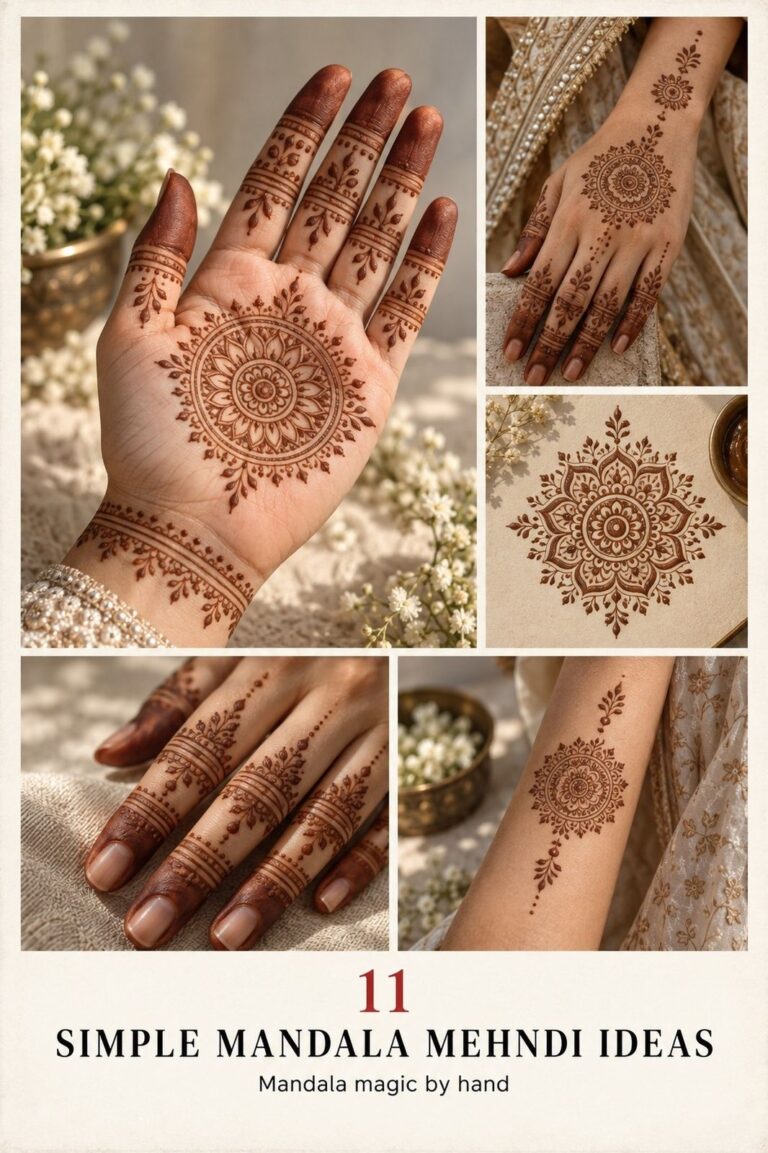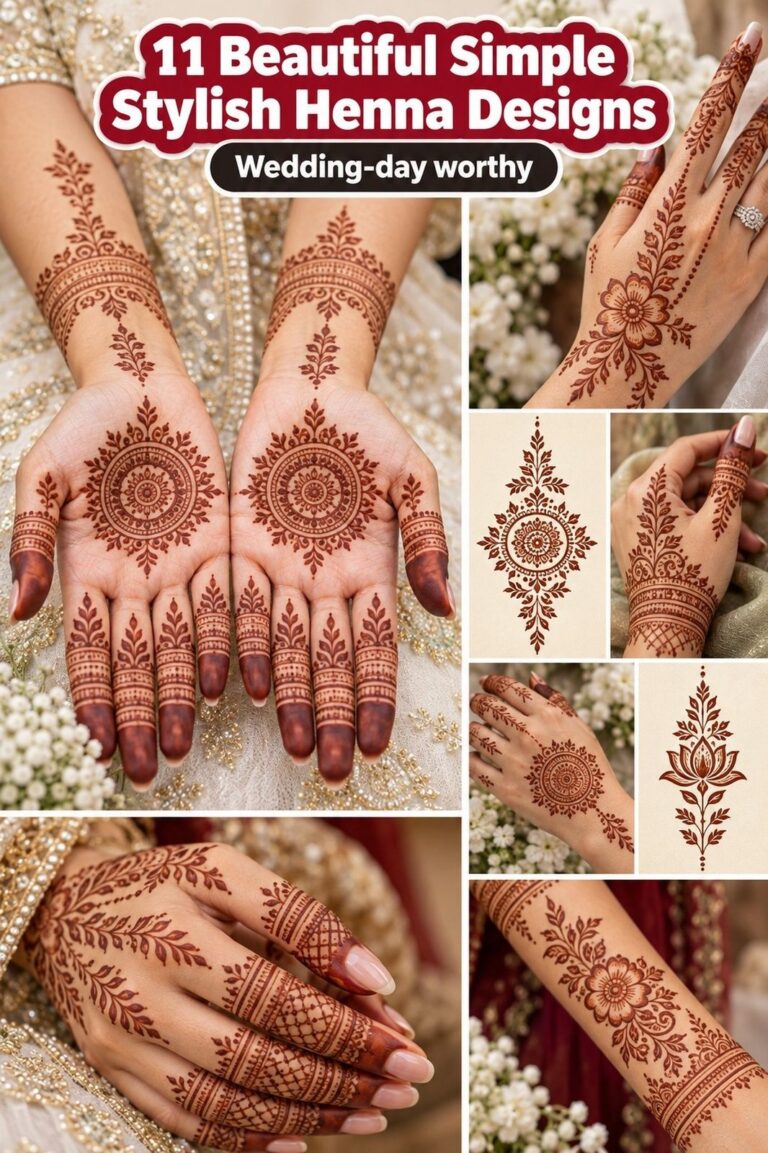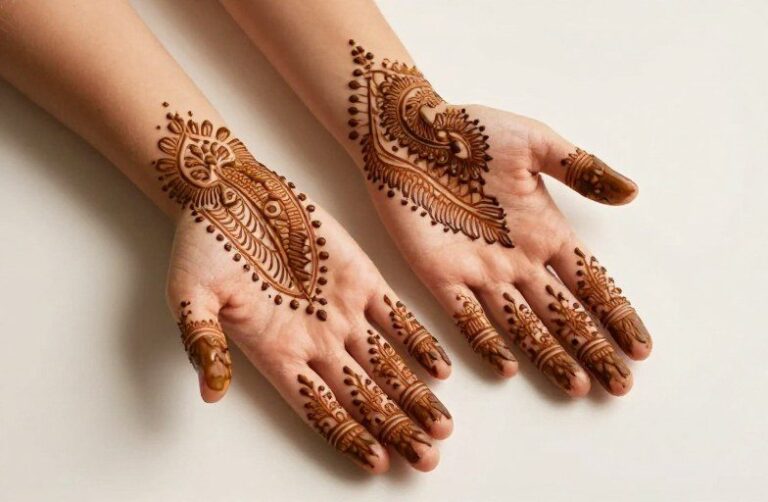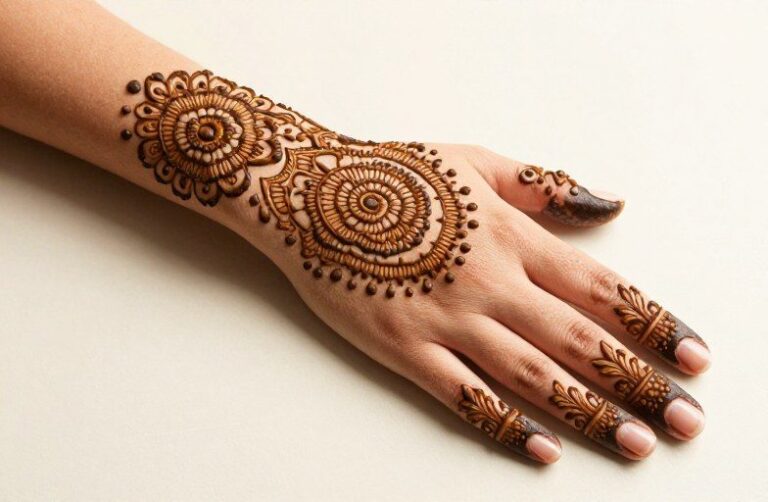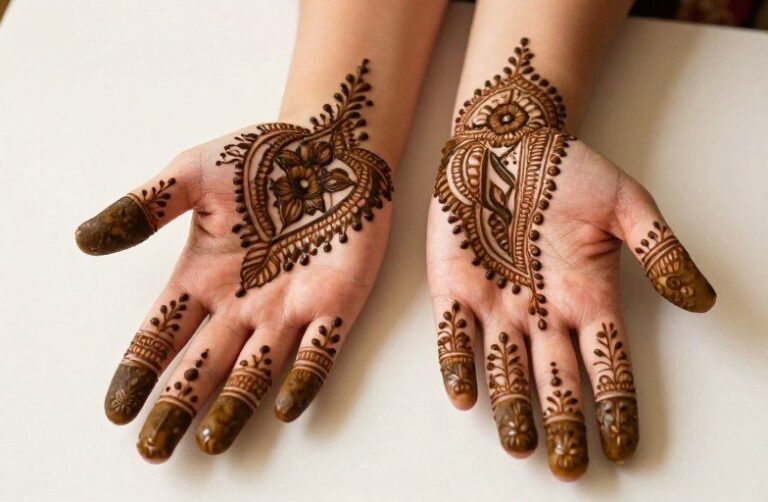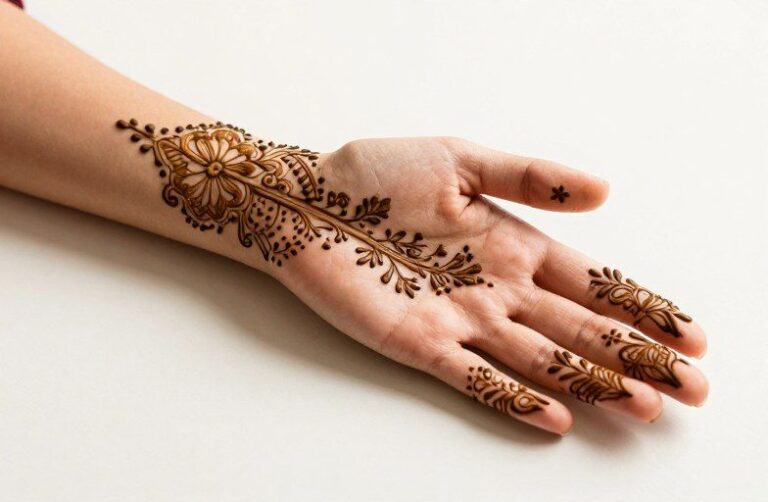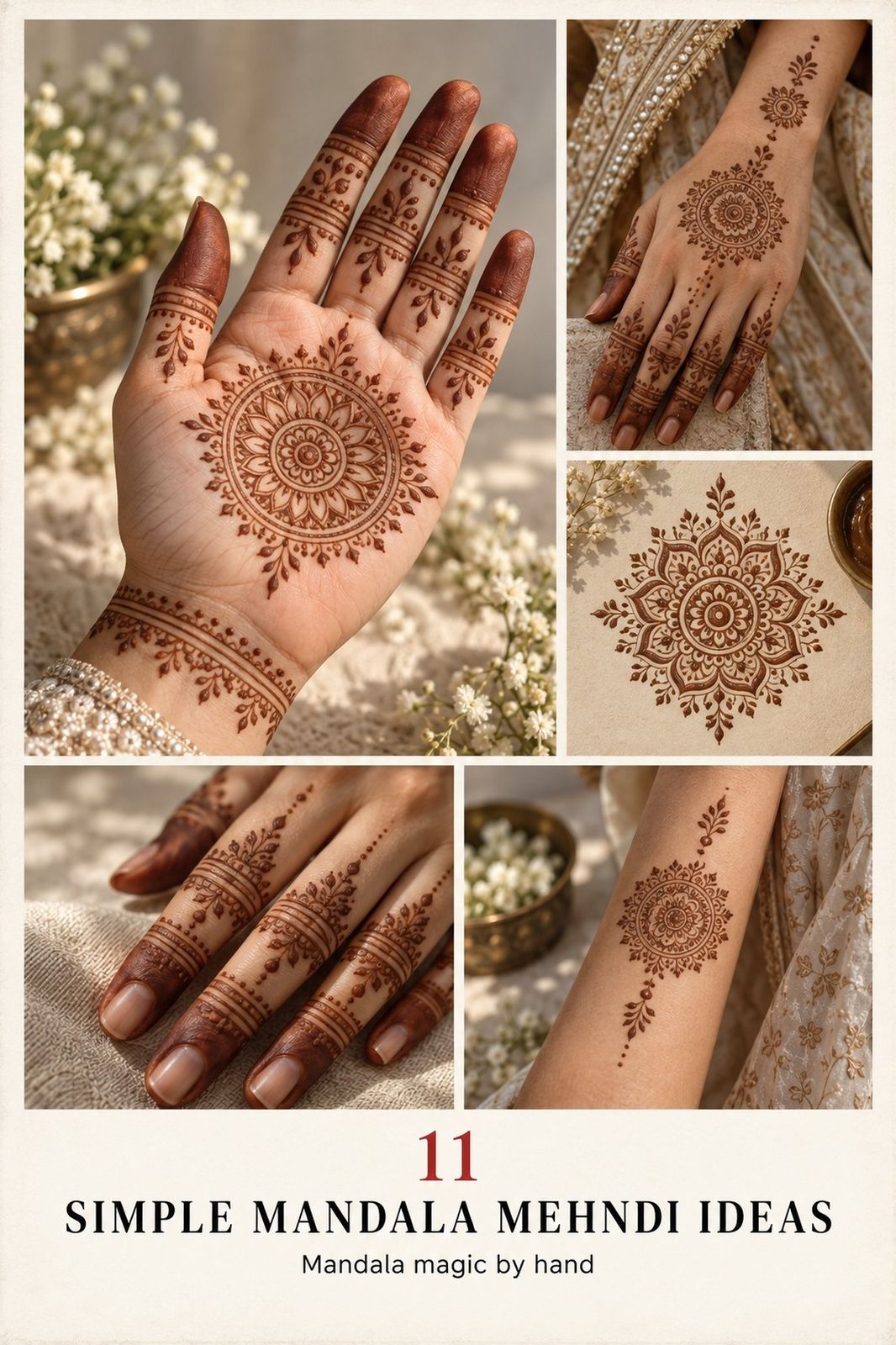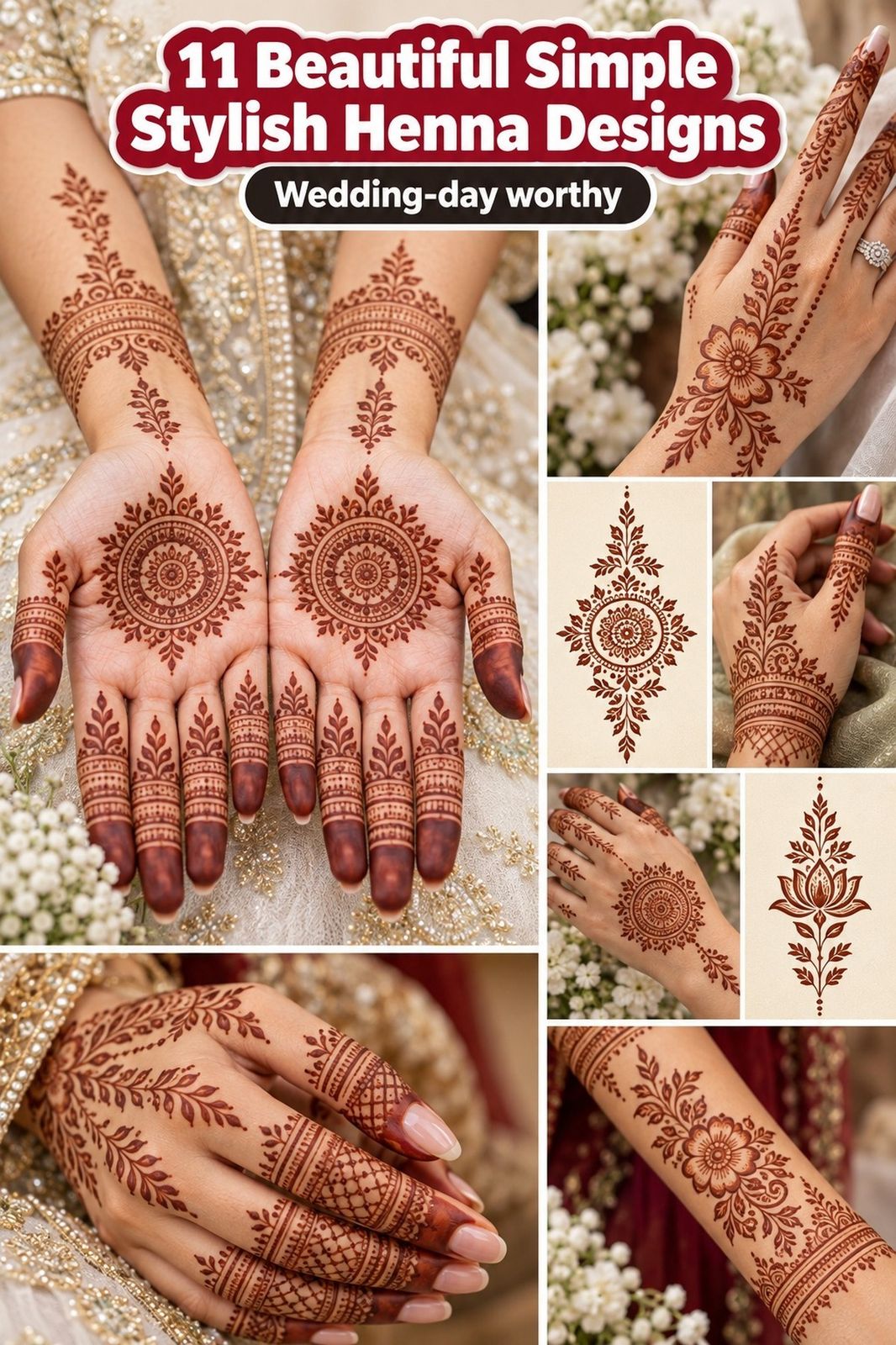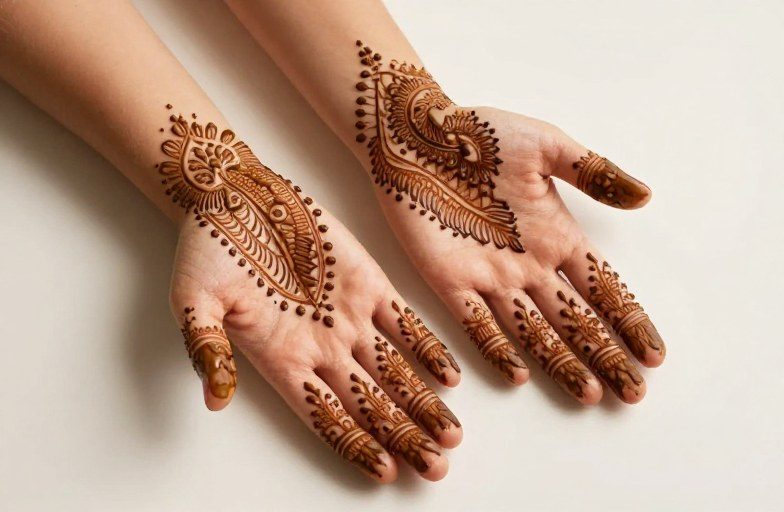
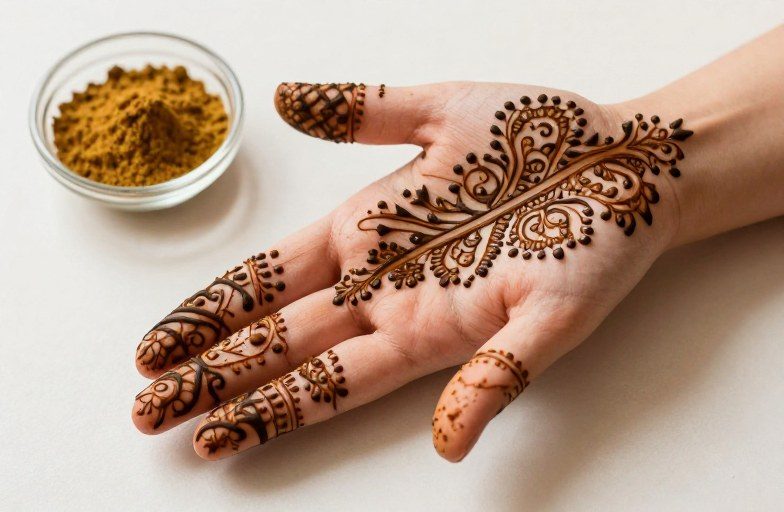
Mixing henna powder for tattoo-style body art means combining sifted henna powder with an acidic liquid (usually lemon juice), a touch of sugar for smoothness, and letting the paste rest 4, 12 hours before use. The goal is a smooth, yogurt-like consistency that holds its shape when piped and stains the skin a deep reddish-brown. Below is the practical breakdown from powder selection through application.
Cost Factors
Quality henna powder runs $8, $25 for 100g, with the price gap coming from sift fineness, harvest region, and whether the seller specializes in body-art grade rather than hair dye. Freshness matters more than brand prestige, powder older than a year loses staining power.
What You’re Actually Paying For
Body-art henna is sifted multiple times (often labeled “triple sifted” or “micro-sifted”) so it won’t clog applicator tips. Hair henna contains larger plant particles and sometimes additives. For fine lines and detailed work, the extra cost of body-art grade pays for itself in frustration avoided.
- Basic hair henna: $6, $10/100g, requires additional straining, inconsistent stain
- Body-art henna: $12, $25/100g, smooth application, reliable color development
- Essential oils (terpinolene-rich): $8, $15 for 10ml of cajeput or tea tree
- Sugar, lemon juice, applicator cones: $5, $10 total
Homemade paste costs roughly $1, $3 per application for a medium-sized design. Pre-made cones from reputable sellers cost $3, $8 each but sacrifice freshness control.
Hidden Costs of Cutting Corners
Cheap or old powder yields pale orange stains that fade in two days. “Black henna” containing PPD (para-phenylenediamine) is sometimes sold cheaply, avoid it entirely. The chemical additive causes blistering, permanent scarring, and sensitization that can make future hair dye use dangerous.
Realistic Expectations
Henna is not a tattoo. It stains the top layers of skin without breaking the surface, and that fundamental difference governs everything from color to longevity.
Color Development and Timeline
Fresh henna paste goes on dark greenish-brown. Once dried and flaked away, the stain starts pale orange and darkens over 24, 48 hours as lawsone oxidizes. Peak color is typically a reddish-brown, not black. On palms and soles, where skin is thickest, color reaches burgundy-brown. On arms, backs, or thighs, expect lighter terracotta tones.
- Immediate after paste removal: light orange
- 12 hours later: orange-brown
- 24, 48 hours: peak depth achieved
- Days 3, 7: gradual fading begins
- Days 7, 14: mostly or fully gone
Individual skin chemistry, body temperature, and oiliness all shift these numbers. Someone with very dry skin may hold stain longer; oily skin often sheds it faster.
Design Limitations
Fine lines spread slightly as paste sits on skin. Intricate geometric precision is harder than bold floral shapes. White highlights, shading gradients, and color variation within one design are not achievable with pure henna, those require actual tattoo techniques or mixed media.
Pain & Comfort
Unlike needle-based tattooing, henna application itself is painless. The paste sits on the skin surface; no puncture occurs. Discomfort, when it happens, comes from other factors.
What Can Go Wrong During Application
Leaving paste on overnight can cause stiffness as the dried crust restricts movement. Some people find the cooling sensation of lemon juice irritating, especially on freshly shaved skin or minor abrasions. Essential oils added for darker stains, cajeput, tea tree, eucalyptus, can cause tingling or, rarely, allergic reactions. Test a small spot first if you have sensitive skin or fragrance allergies.
The actual removal process matters too. Scraping dried paste off aggressively abrades skin and lightens the final stain. Flaking it gently, then avoiding water for 12, 24 hours, preserves color depth.
Comfort During the Setting Phase
Warm environments help dye release and stain development. Cold rooms slow the process. Wrapping designs with medical tape or tissue (not plastic, which traps too much moisture) lets you sleep with paste on without crumbling it across your sheets. Expect some awkwardness, henna demands patience that tattooing doesn’t.
The Direct Answer
Here’s the tested mixing method for reliable, dark-staining henna paste.
Ingredients and Ratios
- 100g body-art quality henna powder
- 1/4 to 1/2 cup lemon juice (fresh-squeezed or bottled, not concentrate)
- 1, 2 tablespoons granulated sugar
- 10, 15 drops essential oil high in terpinolene (cajeput, tea tree, or frankincense)
Start with 1/4 cup lemon juice and add gradually. Henna powders vary in absorbency. You’re aiming for consistency like thick cake batter or smooth yogurt, holds peaks but isn’t crumbly.
Step-by-Step Mixing
First, sift the powder again through fine mesh if you notice any clumps. In a glass or ceramic bowl (metal can react with lawsone), combine henna and sugar. Add lemon juice in increments, stirring with a silicone spatula until lump-free. The paste should resist dripping off your spoon.
Cover the bowl tightly with plastic wrap pressed directly onto the surface. Let it rest at room temperature for 4 hours minimum, ideally 8, 12. This “dye release” period allows lawsone to activate. You’ll know it’s ready when the surface shows a thin darker layer and the paste smells distinctly earthy, almost like wet hay or strong tea.
After resting, stir in essential oil. The paste should now be slightly looser, glossy, and smooth enough to flow through a cone tip without pressure. If too thick, add lemon juice by the teaspoon. If too thin, wait, henna thickens slightly as it sits.
Storage and Timing
Unused paste keeps 2, 3 days refrigerated in an airtight container. Frozen in individual portions, it lasts 2, 3 months. Thaw naturally; microwaving destroys dye molecules. Mix only what you’ll use within a few days, fresh paste always outperforms stored.
When to See a Professional
DIY henna is approachable, but certain situations warrant finding an experienced henna artist or reconsidering entirely.
Red Flags You Shouldn’t Ignore
Any paste promising “black” or “dark blue-black” results immediately is suspect. Natural henna never stains black. PPD-laced products can cause chemical burns appearing hours or days later. If you develop blistering, intense itching, or spreading redness, that’s not a normal reaction, seek medical attention and avoid all PPD-containing products permanently.
Professional henna artists also understand design flow for different body areas, how to adjust paste consistency for climate, and sanitary practices. Their rates ($50, $150+ for events, $20, $60 for individual appointments) reflect skill and material quality, not just time.
When Skill Gaps Matter
Bridal-level detail, large back pieces, or designs requiring symmetrical mirroring are genuinely hard. A shaky hand or poorly mixed paste turns a planned elegant piece into a smudged disappointment. For special occasions, the professional cost prevents the higher cost of emergency cover-up or disappointment in photos that last forever.
Aftercare Essentials
Aftercare determines whether your stain reaches its potential or washes out prematurely. These steps apply specifically to henna’s surface-staining nature.
The First 24 Hours
Keep the paste on as long as possible, minimum 4 hours, ideally 6, 10. The longer the lawsone contacts skin, the deeper the stain. Once you remove dried paste with a blunt edge (butter knife edge, old credit card), avoid water entirely for 12, 24 hours. Water stops the oxidation process that darkens the stain.
Apply a thin layer of natural oil or beeswax-based balm to protect the design. Avoid petroleum jelly, which can lift stain. Sleep with loose clothing over the area to prevent rubbing.
Extending the Life
- Minimize swimming, long baths, and dishwashing without gloves
- Pat, don’t rub, when drying the area after brief water contact
- Avoid exfoliating products, retinols, and glycolic acids near the design
- Moisturize daily with plain oils (coconut, jojoba) to slow skin turnover
Expect palms to fade faster than arms due to constant use and thicker callus turnover. A design on the upper back or shoulder often lasts longest because those areas see less abrasion and slower skin renewal.
What to Remember
Good henna paste is simple: quality powder, lemon juice, sugar, time to rest, and optional essential oil. The variables you control, freshness, consistency, patience with dye release, matter more than expensive additives. What you can’t control is your individual skin chemistry, so first-timers should test a small design before committing to visible, large work.
Henna occupies a specific place: more commitment than a marker drawing, less than a needle tattoo. It rewards preparation and punishes rushing. Mix your paste a day ahead, protect the stain from water initially, and let go of the idea that any natural material will mimic the permanence or precision of actual tattoo work. The temporary nature is the point, not a flaw.
Frequently Asked Questions
Can I use water instead of lemon juice to mix henna?
Lemon juice works best because its acidity helps release lawsone dye from the plant powder. Water produces weaker, shorter-lasting stains. In a pinch, strong brewed tea or coffee adds slight acidity, but lemon juice remains the standard for reliable results.
Why did my henna turn out orange instead of dark brown?
Pale orange usually means insufficient dye release time, old powder, or paste removed too quickly. Let mixed paste rest at least 4 hours, keep it on skin 6+ hours, and ensure your powder is fresh and body-art grade.
Is it safe to leave henna paste on overnight?
Yes, and it often improves stain depth. Wrap the dried paste with medical tape or tissue to prevent crumbling in bed. Avoid plastic wrap, which traps moisture and can cause the paste to smudge or irritate skin.
How can I tell if henna powder has gone bad?
Stale henna smells faint or dusty rather than strongly earthy, and produces little to no orange stain on skin when tested. If your mixed paste shows no darkening on the surface after 4, 6 hours of resting, the powder is likely too old.