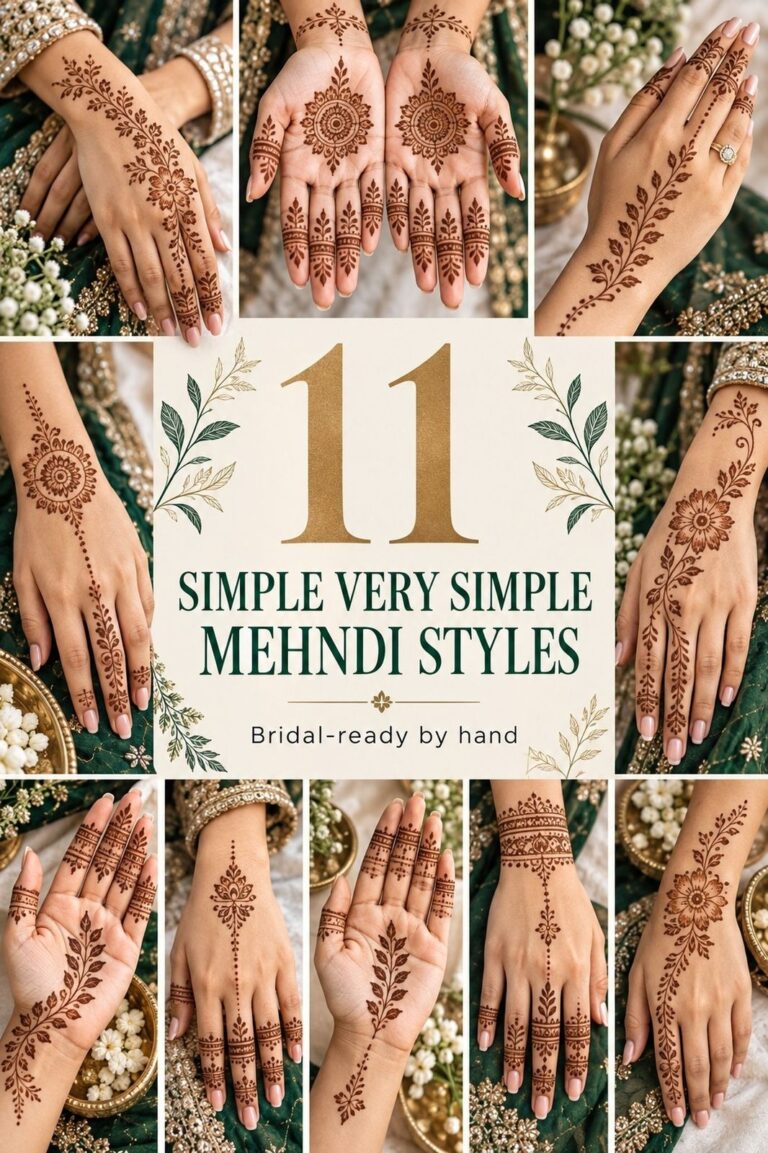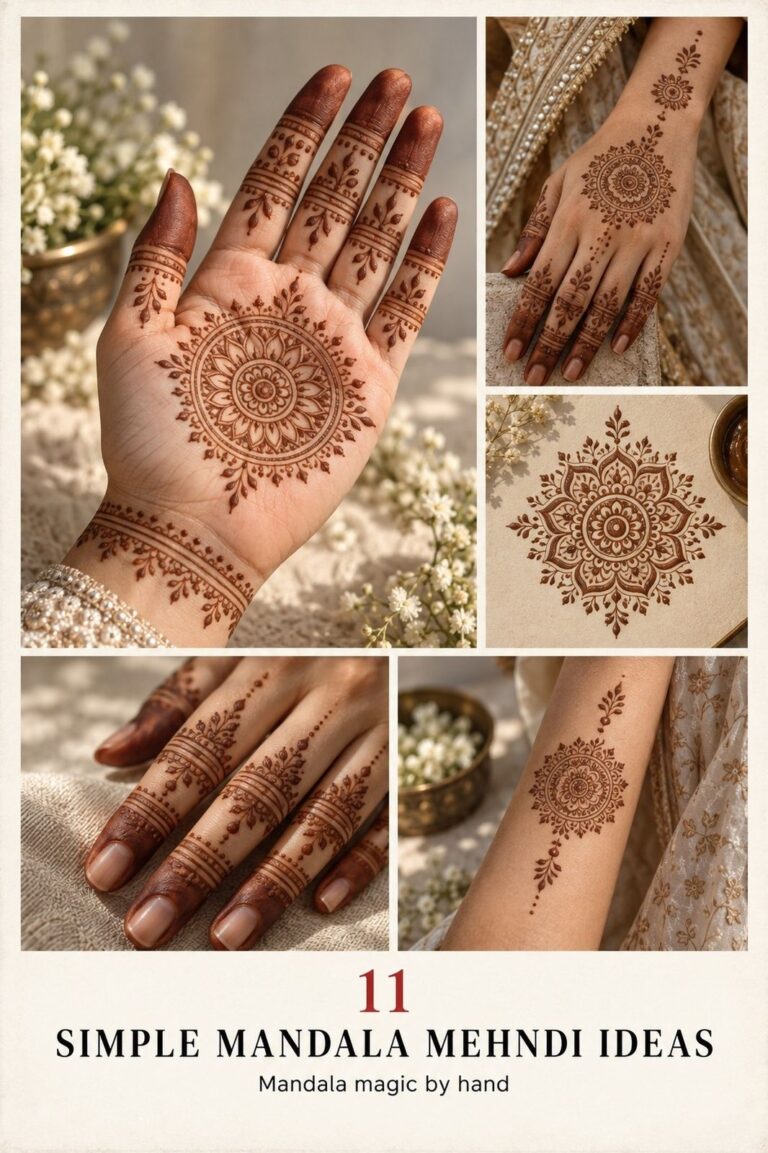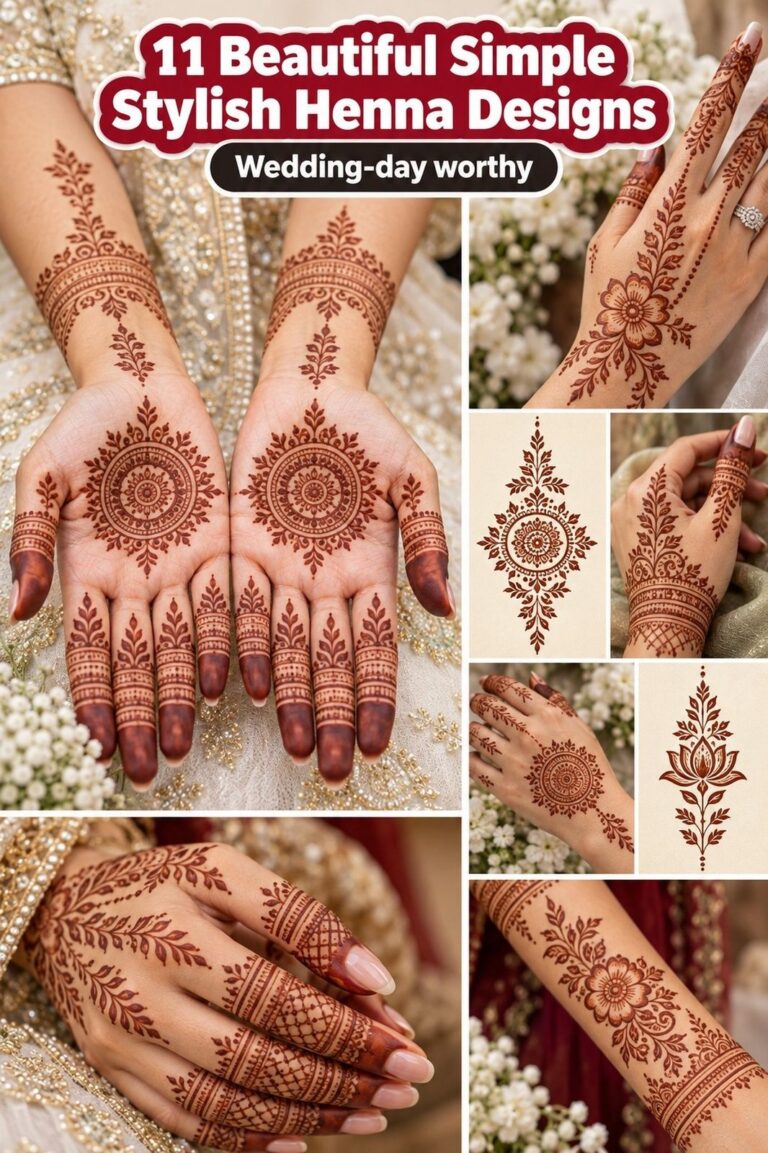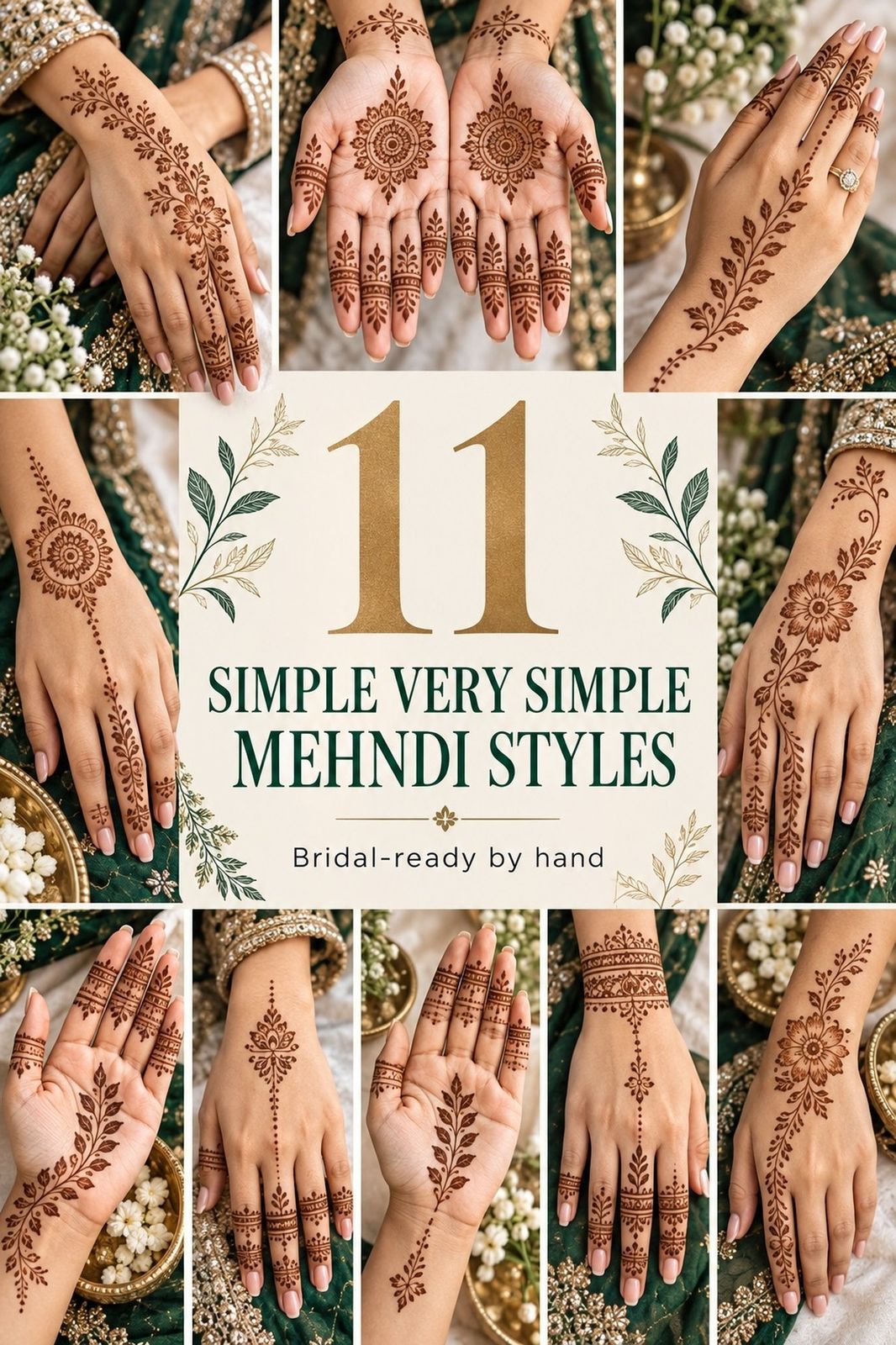
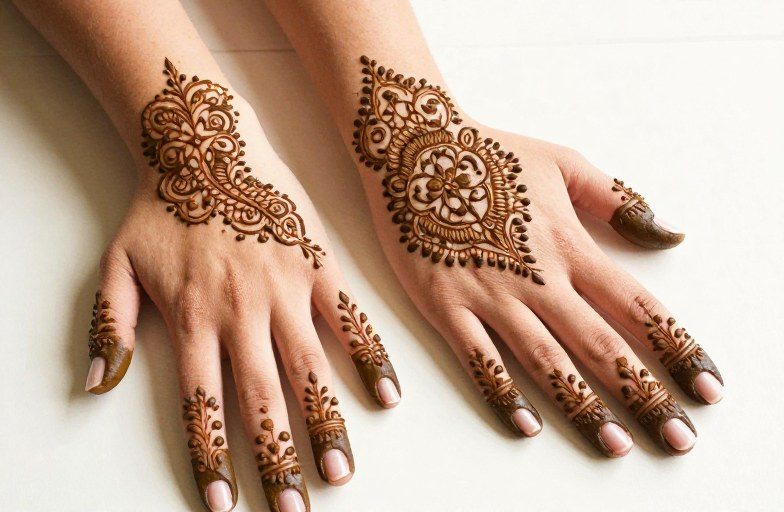
The most reliable way to extend a henna tattoo’s life is leaving the dried paste on skin for 8-12 hours before gentle removal, then keeping the stain area dry and away from friction for the first full day. After that, regular moisturizing with natural oils and avoiding exfoliating products will carry most designs through two to three weeks of visible color.
Aftercare Essentials
Henna aftercare isn’t complicated, but it is specific. The stain develops through a slow oxidation process that continues for 24-48 hours after paste removal, so what you do in that window matters more than any product you buy later.
The First 24 Hours
Once you scrape off the dried paste, never wash it off with water, expect an orange stain that darkens to reddish-brown over the next day and a half. During this oxidation period, keep the area completely dry. Skip dishes, gym sessions, and long showers that soak the design. Some people seal the stain lightly with a mixture of lemon juice and sugar dabbed on after paste removal, which can help the stain set deeper by keeping the skin slightly acidic and protected from air exposure. Others wrap the area loosely in tissue and medical tape for sleep, though this risks smudging if the paste wasn’t fully dry.
- Leave paste on: 6 hours minimum, 12 hours ideally
- Remove with: blunt edge (credit card, butter knife), not water
- First water contact: wait 12-24 hours if possible
- Heat exposure: brief warm shower after day two can deepen color
Ongoing Maintenance
After the initial set, treat the stained skin like a fragile fabric. Natural oils, coconut, olive, or jojoba, applied thinly once or twice daily create a barrier against water and soap. Petroleum jelly works too but can feel heavy and clog pores on some people. Avoid lotions with alpha-hydroxy acids, retinol, or heavy fragrance; these fade henna faster than anything. Chlorinated pools and salt water both strip color, so plan beach trips knowing your design will lighten noticeably.
Cost Factors
Henna pricing in US shops and at events varies widely by region and artist skill, but understanding what you’re paying for helps set realistic expectations about quality and longevity.
What Drives Price
A quick festival booth might charge $15-40 for simple palm-sized designs using pre-mixed cones. Private appointments with artists who mix their own paste from raw henna powder, lemon juice, sugar, and essential oils typically run $50-150+ depending on coverage area. The homemade paste usually stains darker and lasts longer than pre-mixed products, which sometimes contain chemical additives for quick color that fades fast. Location matters: artists in major cities or those specializing in bridal work command premium rates, and travel fees for home visits add to cost.
DIY henna cones from reputable suppliers cost $10-25 and yield multiple applications, but quality varies enormously. Old powder, improper storage, or wrong mixing ratios produce weak stains that fade within days. Freshness is everything, henna paste loses potency within days at room temperature, though it freezes well for months.
Tips From the Chair
Experienced henna artists have developed small tricks through repetition that don’t always make it into written instructions.
Application thickness affects longevity. Too thin and the paste flakes off early; too thick and it takes forever to dry, risking smears. A toothpaste-consistency layer that holds its shape without running usually performs best. The skin’s own condition matters too, henna stains darkest on palms and soles where skin is thickest, lightest on upper arms and faces where it’s thin. If you want maximum duration, choose placement accordingly: hands and feet over ribs or collarbones.
Timing your application matters. Evening sessions let you sleep through the critical first hours without worrying about daily activity. Some artists suggest applying a thin paste of plain flour and water around (not over) the design edges to create a seal that catches flakes before they fall on clothes. This old technique works but looks messy, best for home use, not events.
One observation from years around tattoo shops: clients who treat henna like a permanent tattoo during aftercare often get better results. The same instincts, keep it clean, don’t pick, protect from sun, serve both well.
Healing Timeline
Henna doesn’t wound skin like needle tattooing, but it does follow a predictable life cycle worth understanding.
Week by Week
Days 1-3: Peak color. The stain reaches its deepest brown or burgundy, sometimes almost black on palms. This is when photos happen, when the design looks its most saturated.
Days 4-10: Gradual fading. The top layer of stained skin cells naturally exfoliates, lightening the color from edges inward. The pattern becomes slightly fuzzy as individual cells slough off unevenly. This phase frustrates people who expected a sharp edge to last, but it’s completely normal.
Days 11-21+: Ghost image. A faint orange or tan shadow remains where the darkest stain was, visible only on lighter skin tones and in certain light. By three weeks, most designs have returned to blank skin unless placed on thick-palmed areas where staining penetrates deeper.
Actual duration depends heavily on your skin’s turnover rate, which varies by age, genetics, and how much you physically use the stained area. Typing, weightlifting, or manual labor accelerates fading on hands. Office work preserves designs longer.
The Direct Answer
Stripped to essentials: leave the paste on as long as possible, keep it dry for a full day, then moisturize regularly and avoid exfoliation. These four actions separate two-week stains from five-day disappointments more than any special product or technique.
Heat helps set color, some people hold their stained hands near a stove or heater briefly after paste removal, though burning yourself is worse than a light stain. The lemon-sugar seal, if used, should be applied sparingly; too much sticky residue attracts lint and dirt. After the first 48 hours, normal life resumes, but continued oil application before showers and swimming noticeably extends visible color.
Black henna deserves mention here: products marketed as “black henna” often contain PPD (para-phenylenediamine), a hair dye chemical that can cause severe allergic reactions and permanent scarring. Real henna never stains black. The darkest natural result is deep brown on palms, reddish-brown elsewhere. If someone offers instant black stain, walk away, no color duration is worth the health risk.
Common Mistakes
Most premature fading comes from correctable habits rather than bad luck or bad product.
Water Exposure Too Soon
Washing the paste off because you’re impatient, or jumping in a pool the next morning, destroys the oxidation process. The stain needs that dry window to bind with skin proteins. Even heavy sweating during the first day can lighten results, plan application around your schedule, not the other way around.
Over-Exfoliating Skin
Loofahs, scrubs, chemical peels, and even aggressive towel-drying remove stained cells faster than natural turnover. If you need to scrub that area for hygiene, pat gently instead of rubbing. Shaving over henna also strips color, plan hair removal before application or accept faster fading.
Other frequent errors: applying lotion immediately after paste removal (traps moisture against developing stain), choosing thin-skinned placement expecting long duration, and storing fresh paste at room temperature for weeks assuming it keeps. Henna is a perishable art material; respect its chemistry and it rewards you with lasting color.
Final Word
Henna occupies a different space than permanent tattooing, temporary by nature, but demanding similar respect in aftercare. Two to three weeks of visible design is realistic with good paste and proper handling; anything beyond that is exceptional, not standard. The appeal lies partly in this impermanence: you get to choose again, redesign, or return to blank skin. Treat the process with patience during those first critical hours, and the results carry you through with minimal fuss.
Frequently Asked Questions
Does henna stain darker on some skin tones than others?
Henna shows up on all skin tones, but the contrast is more visible on lighter skin. On darker skin, the stain appears more subtle, often a warm copper or chocolate tone rather than the deep burgundy seen on fair skin. The stain itself is equally durable; visibility depends on contrast with your natural undertone.
Can I shower normally with a fresh henna tattoo?
Wait at least 12 hours before getting the area wet, and even then, keep showers brief and cool for the first day. After that, normal showers are fine, but apply oil beforehand to create a water barrier. Avoid soaking in baths, hot tubs, or long swimming sessions for the first 48 hours.
Why did my henna turn orange instead of brown?
All henna starts orange immediately after paste removal, that’s normal oxidation in progress. The color deepens to brown over 24-48 hours as the stain reacts with air and skin proteins. If it stays orange or fades within days, the paste was likely old, poorly mixed, or made with low-quality powder.
Is it safe to get henna while pregnant?
Natural henna without additives is generally considered safe during pregnancy, though many artists avoid applying it to the belly in the first trimester out of caution. Absolutely avoid “black henna” with PPD, which carries real health risks regardless of pregnancy status. Ask your artist about their ingredients, and when in doubt, consult your healthcare provider.