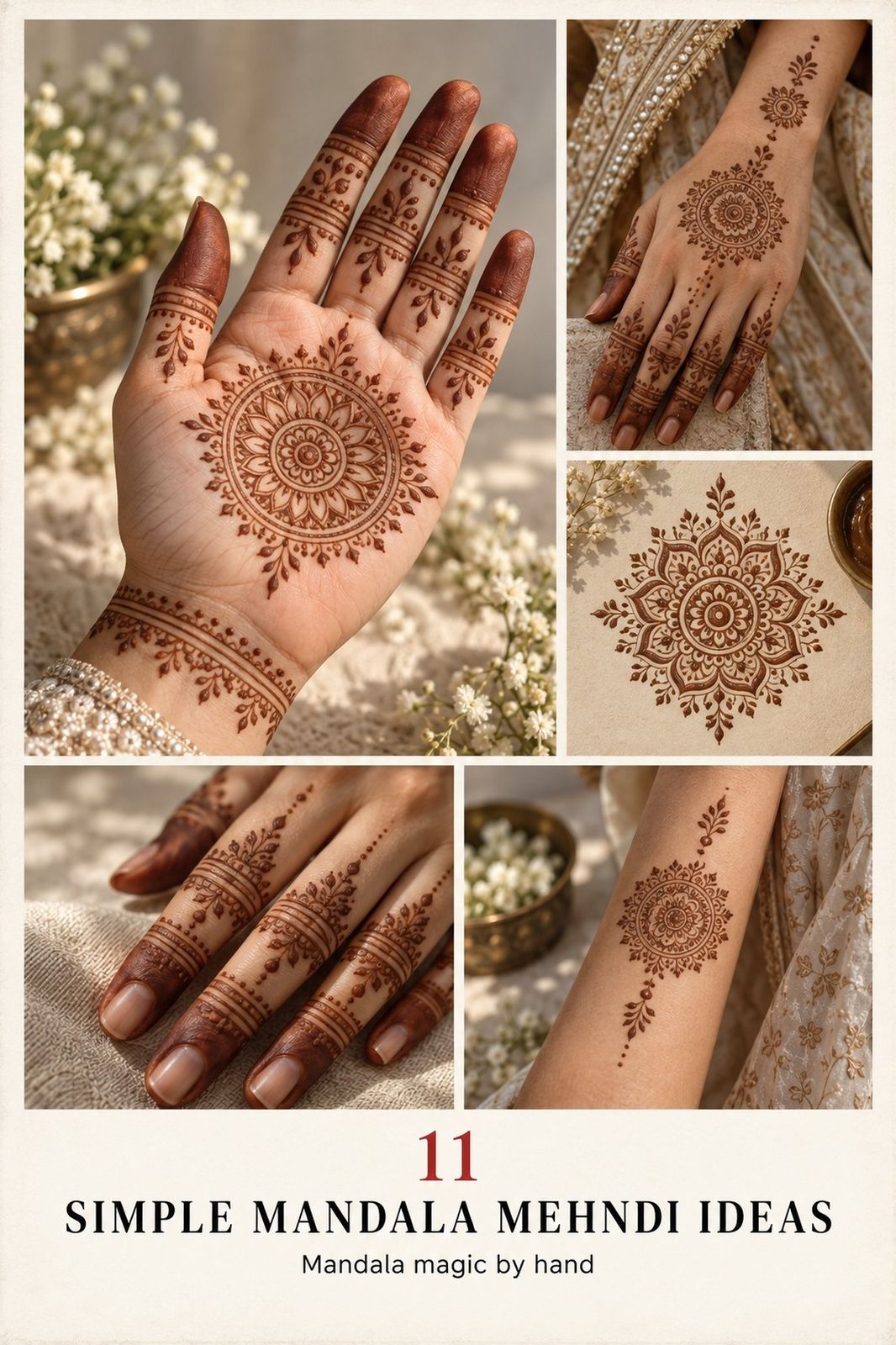
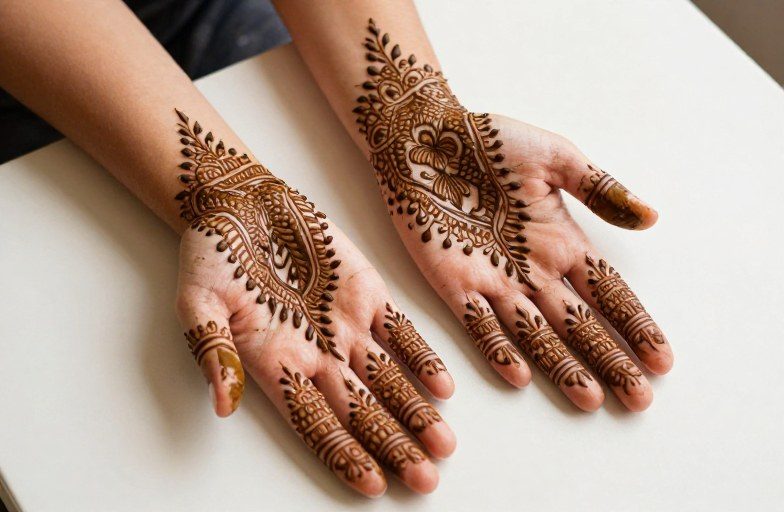
Henna preservation comes down to three things: keeping the paste on as long as possible, protecting the stain from water and friction in its first 48 hours, and moisturizing with natural oils afterward. Do that, and a quality henna stain can last anywhere from one to three weeks depending on your skin chemistry and body placement. Below is everything you need to know, start to finish, without the fluff.
Realistic Expectations
How Long Henna Actually Lasts
On the palms and soles, where skin is thickest and most alkaline, henna often stains darkest and longest, sometimes pushing three weeks. On the back, arms, or legs, expect closer to seven to ten days. The face, neck, and other thin-skinned areas fade fastest, sometimes within five days. Your personal skin chemistry matters: oilier skin tends to shed stain faster, while drier skin can hold it longer but may flake unevenly.
Climate plays a role too. Humid environments keep the stain moist and developing; arid climates pull moisture out and can accelerate fading. That said, no amount of aftercare will make henna permanent. It is a stain on the top layers of skin, and those cells shed on their own schedule.
What “Dark” Really Means
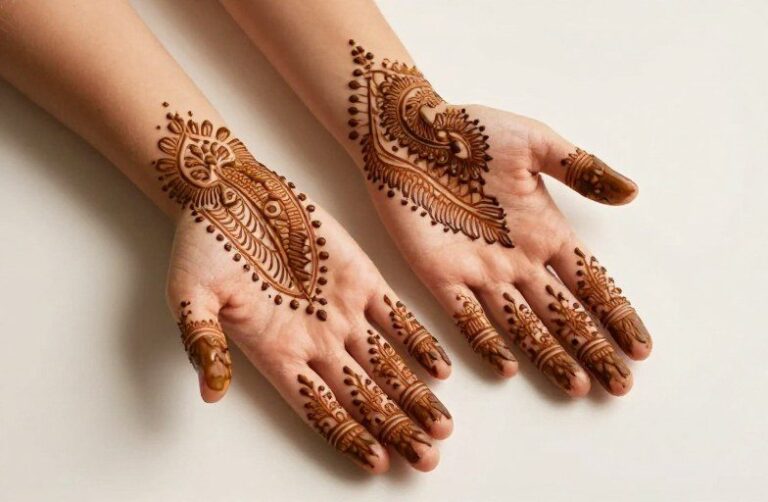
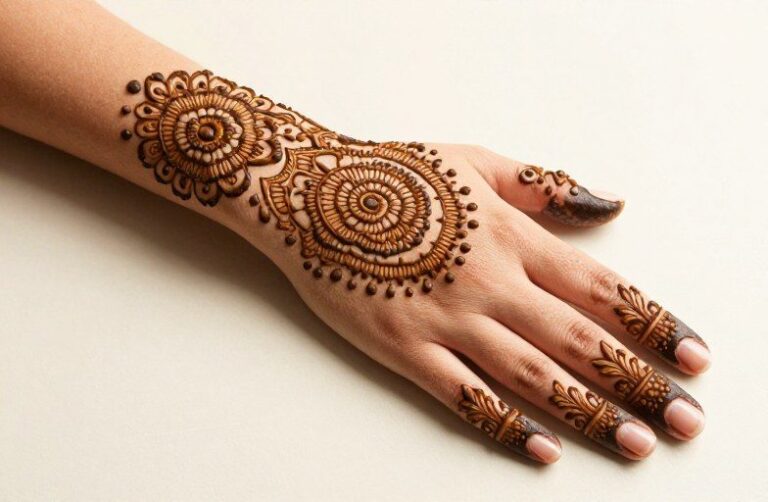
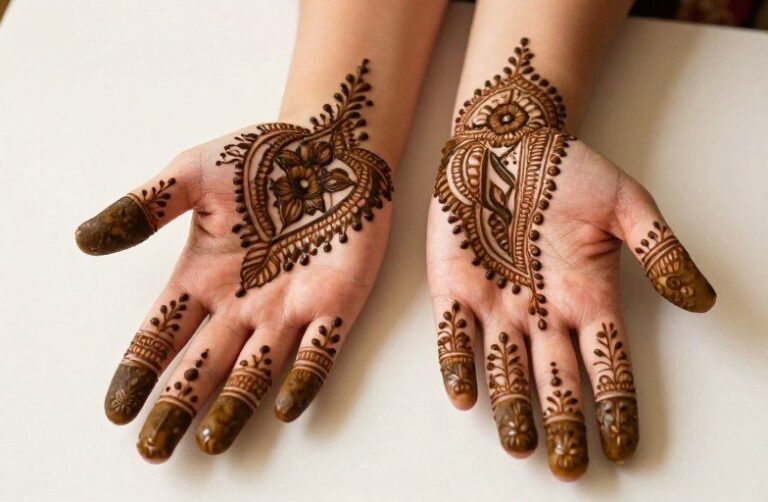
Fresh henna paste leaves an orange imprint at first. The color deepens to reddish-brown over 24, 48 hours as lawsone, the dye molecule, oxidizes and bonds with keratin. That peak color is what you are preserving, not the initial paste application. A common mistake is judging the final result too early or assuming the orange phase is the finished look.
Pain & Comfort
Henna application itself is painless. The paste sits on the skin surface; no needles break the skin. Some people feel mild tingling or cooling from the lemon juice and essential oils in traditional mixes. If you feel burning, stinging, or itching that escalates, remove the paste immediately, this signals a reaction, usually to an additive or “black henna” containing PPD (para-phenylenediamine), a hair dye chemical that can scar.
PPD Warning Signs
Natural henna is greenish-brown paste that stains orange-brown. “Black henna” that stains instantly dark is often PPD-laced and dangerous. If a vendor promises jet-black results, walk away. The skin damage from PPD reactions can be severe enough to require professional treatment, and any resulting scar will outlast the “tattoo” by years.
What to Expect Step by Step
During Application
Clean skin is essential. Oils, lotions, and even natural skin sebum create a barrier. The artist will likely wipe the area with witch hazel or mild soap and water, then apply paste through a cone or with a brush. Stay still. Smudging wet paste is the fastest way to ruin a design. Application time ranges from ten minutes for simple patterns to two hours for dense bridal work.
The Waiting Period
Leave paste on as long as you can manage, minimum four hours, ideally six to eight, or overnight. The longer the paste stays moist and in contact with skin, the deeper the stain penetrates. Wrap the area loosely with medical paper tape or tissue to protect the design from brushing against clothing. Avoid plastic wrap directly on skin; it traps too much moisture and can blur fine lines.
Removing the Paste
Do not wash it off with water. Scrape dried paste off with a butter knife edge, fingernail, or old credit card. The orange stain left behind will look too light, this is normal. Resist the urge to scrub or apply water for the first 24 hours. The color will darken significantly as oxidation continues.
Tips From the Chair
The First 48 Hours
This window determines your final result. Keep the area dry. Skip dishes, long showers, swimming, and gym sessions that mean sweat and friction. If you must wash, apply a thin layer of coconut oil or beeswax salve first to repel water, then pat, never rub, dry immediately after.
Heat helps the stain develop. Holding hands near a warm (not hot) stove, or just keeping palms warm in pockets, deepens color. Some people sleep with hands wrapped in soft cloth to protect the design and retain body heat.
Daily Maintenance
After the initial 48 hours, moisturize with natural oils, coconut, olive, or jojoba. Avoid petroleum-based products initially; they can suffocate the stain and cause fading. Once the color peaks, a light layer of petroleum jelly before showers creates a water barrier.
Exfoliation is your enemy. Skip loofahs, scrubs, and chemical exfoliants on the area. Shaving over henna will strip it fast. When the stain starts fading, it fades from the edges inward; there is no way to “touch up” henna without reapplying.
- Apply lemon-sugar sealant while paste is still on to keep it moist longer
- Steam from cooking, not direct water, can help set the stain
- Wear gloves for chores; dish soap is particularly harsh
- Sun exposure fades henna, cover up or use SPF once the stain has set
- Sleep on dark sheets the first few nights; the stain can transfer while developing
When to See a Professional
Seek medical care for blistering, spreading redness, pus, or pain that worsens after 24 hours, these are not normal henna reactions. A reputable henna artist will use only natural ingredients: henna powder, lemon juice, sugar, and safe essential oils like cajeput or tea tree. Ask about ingredients before you sit down. If they cannot answer, leave.
For stain longevity concerns, consult an experienced artist rather than a dermatologist. They can assess whether your fading is normal or if your aftercare needs adjustment. Some artists offer post-application sealants or touch-up sessions for special events.
The Direct Answer
Here is the stripped-down protocol: keep paste on six to eight hours minimum, scrape off without water, stay dry and warm for 48 hours, then protect with natural oils and avoid exfoliation. That sequence, followed carefully, maximizes what henna can give you. Nothing extends it beyond your skin’s natural turnover cycle, but poor aftercare can cut that short by half.
Quality of the original paste matters enormously. Freshly mixed henna from refrigerated, vacuum-sealed powder outperforms shelf-stable cones from import stores. The cone you bought at a beach boardwalk last summer? Likely weak stain from oxidized lawsone. For important events, weddings, festivals, photography, book an artist who mixes their own and stores it properly.
The Takeaway
Henna preservation is less about secret tricks and more about disciplined avoidance: no water, no friction, no rush. The people who get the darkest, longest-lasting stains are the ones who treat the first two days seriously and accept the temporary nature of the medium. Henna is not a tattoo in the permanent sense, but within its brief lifespan, it can be extraordinarily beautiful. Respect the process, and the stain will hold up its end of the bargain.
Frequently Asked Questions
Can I shower with a fresh henna stain?
Wait at least 24 hours before letting water hit the area. When you do shower, keep it brief and apply a thin layer of oil or beeswax first as a barrier. Pat dry immediately, never rub.
Why did my henna turn out orange instead of dark brown?
The orange phase is normal and temporary. Lawsone oxidizes over 24, 48 hours, deepening from orange to reddish-brown. If it stays pale, the paste was likely old, poorly stored, or removed too early.
Does lotion help or hurt henna preservation?
Natural oils help; petroleum jelly can help after the stain has set. Avoid heavily scented or chemical-laden lotions in the first week, and never use exfoliating products on the area.
Is “black henna” safe if I want a darker result?
No. True henna never stains black. “Black henna” usually contains PPD, a hair dye chemical that can cause blistering, permanent scarring, and lifelong sensitization. Only use natural, brownish-green henna paste.