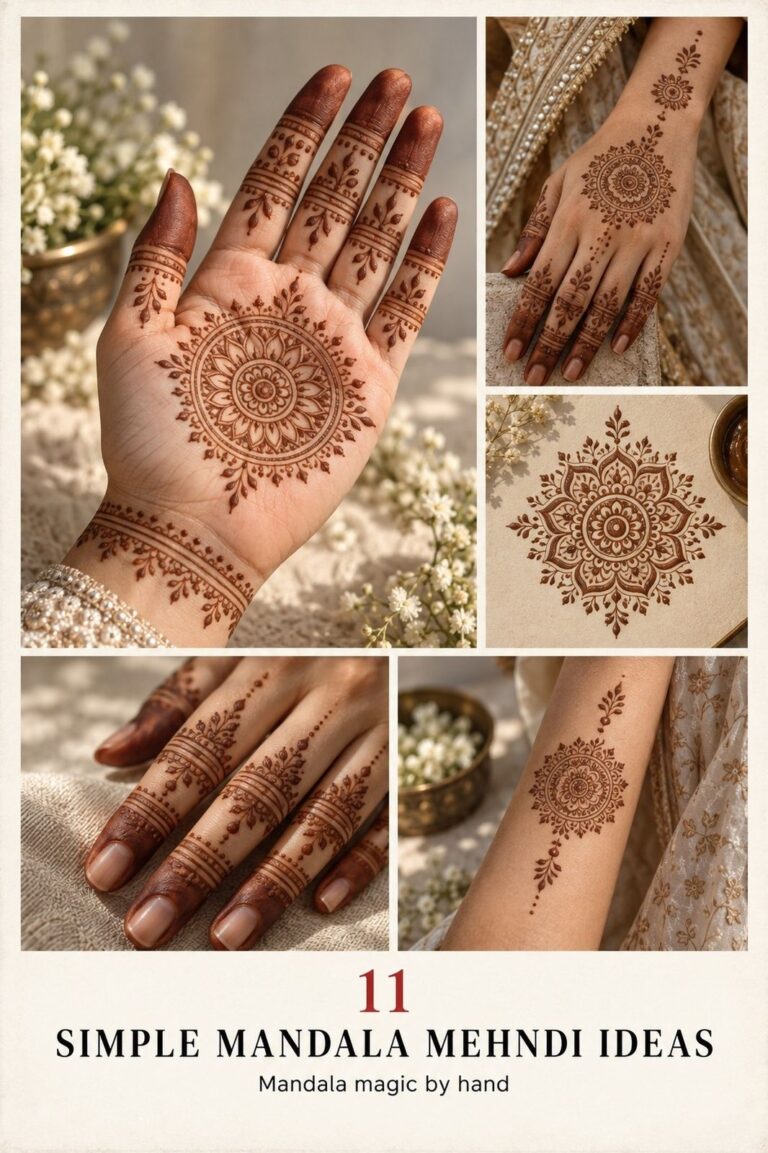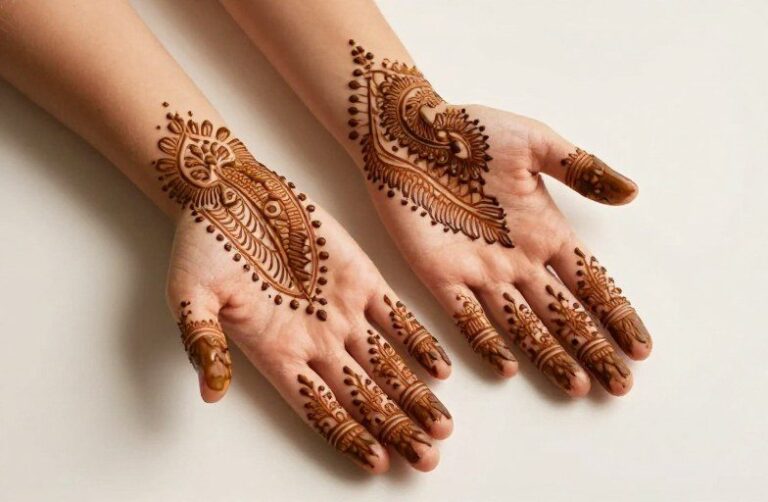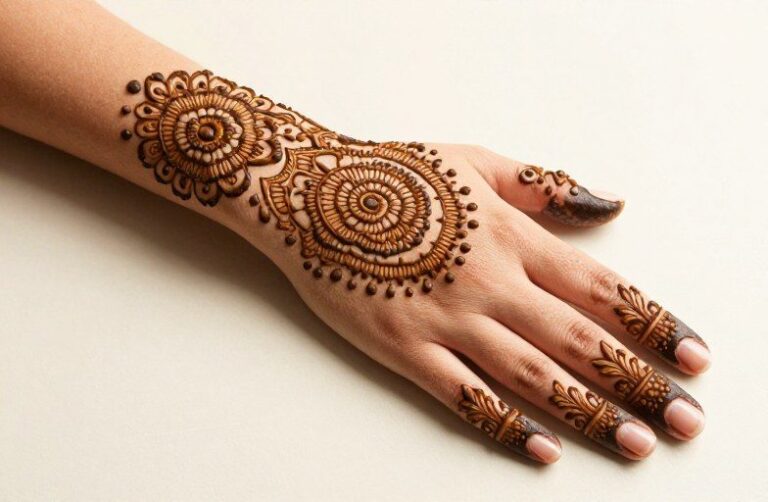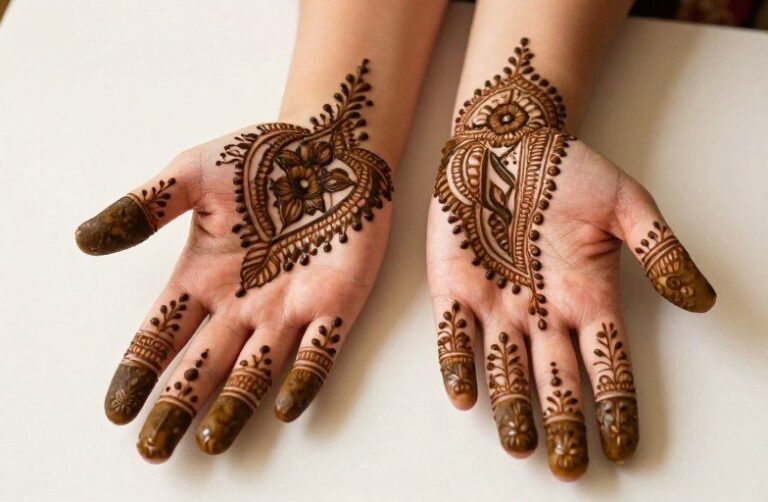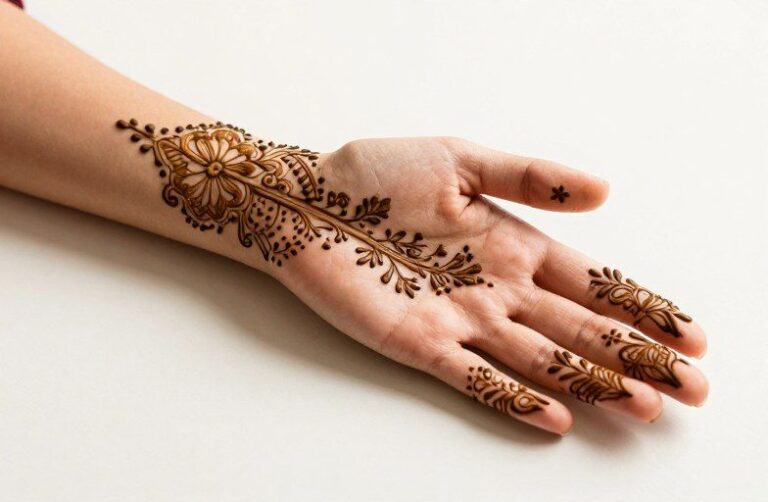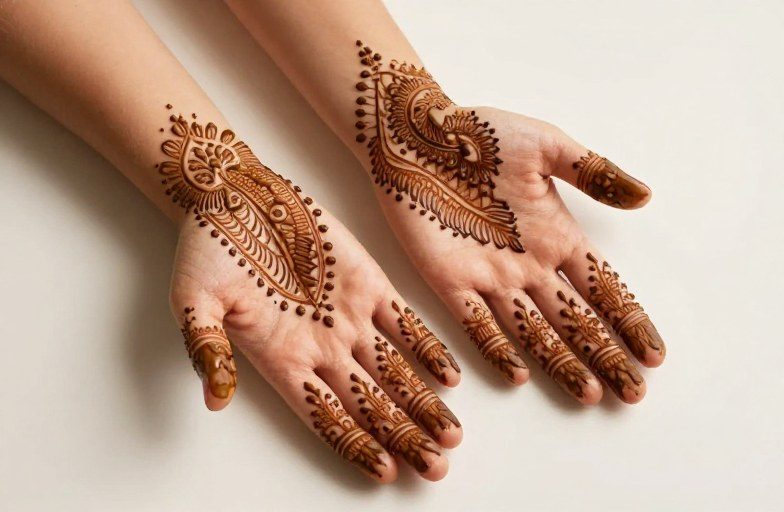
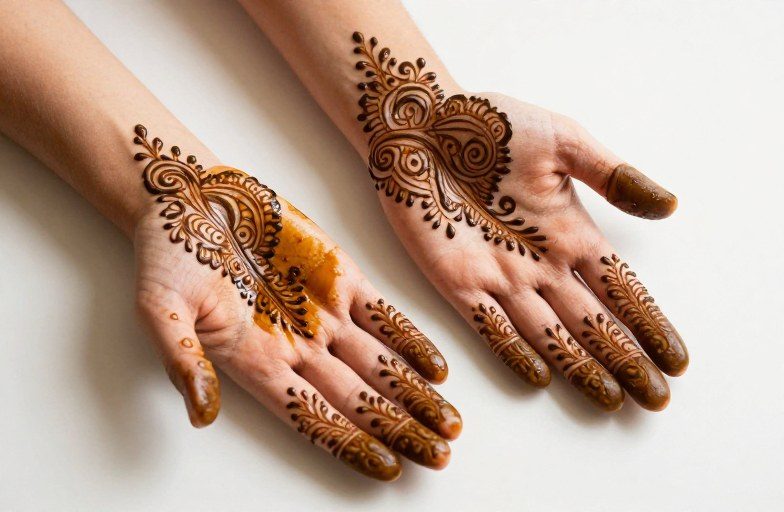
Henna stains the top layers of your skin and typically fades on its own over 1-3 weeks. You can’t erase it instantly, but you can speed up exfoliation and avoid actions that darken or prolong the stain. This guide covers what actually works, what risks your skin, and how to manage the fading process without irritation.
The Direct Answer
There’s no magic eraser for henna. The dye binds to the keratin in your dead skin cells, so removal means encouraging those cells to shed faster. Most “quick fixes” you’ll find online range from useless to actively harmful.
What Actually Helps
- Exfoliation: Gentle scrubbing with a washcloth, loofah, or sugar-based scrub removes the stained top layer. Don’t overdo it, raw skin looks worse than henna.
- Warm water and soap: Frequent washing with mild soap softens the stain over days. Swimming, hot tubs, and long baths all accelerate fading.
- Chlorine exposure: Pool swimming noticeably lightens henna within a session or two. The trade-off is dry skin, so moisturize after.
- Oil-based removers: Olive oil, coconut oil, or baby oil left on for 10-15 minutes before scrubbing can loosen the dye. It’s slow but safe.
What to Skip Entirely
- Bleach, lemon juice mixed with baking soda, or any “lightening” chemical concoction, these burn and can scar.
- Microneedling, dermabrasion, or aggressive at-home peels over a temporary stain.
- “Black henna” containing PPD (para-phenylenediamine) requires different handling; if you reacted with blistering or severe itching, this isn’t a cosmetic issue and needs a dermatologist, not a home remedy.
What to Expect Step by Step
Day one, the paste flakes off leaving orange-yellow stain. By day three, it darkens to reddish-brown. From there, it plateaus and begins the slow fade. Your palms and soles hold color longest due to thicker skin; thin areas like wrists fade faster.
The Typical Timeline
Without intervention: 7-14 days on thin skin, up to 3 weeks on thick areas. With active exfoliation: shave 2-5 days off that, depending on your skin’s turnover rate. Aggressive scrubbing might get you there in 5-7 days, but you’ll have visible irritation that lasts nearly as long.
Expect patchy fading. The stain doesn’t disappear evenly. You’ll get mottled lighter areas, sometimes a “ghost” outline that lingers. This is normal and not a sign you’re doing anything wrong.
After the Stain Lightens
Once it’s pale enough to cover with makeup, stop scrubbing. Let the remaining trace fade naturally. Continued exfoliation on nearly-gone stain just irritates skin that’s already been worked over.
Aftercare Essentials
Treating your skin well during removal prevents the stain from darkening accidentally and keeps you from trading henna for a rash.
Moisturize Strategically
Dry skin holds onto stain longer and looks ashy when faded. Apply a plain, fragrance-free lotion after any scrubbing or swimming. Avoid heavy petroleum-based products immediately before you want to fade more, they create a barrier that slows exfoliation. Time your moisture: hydrate after you’ve done your removal method for the day.
Protect From the Sun
UV exposure can darken some henna stains temporarily, especially in the first 48 hours after paste removal. If you’re actively trying to fade, sunscreen on the area prevents this setback. Once you’re in the fading phase, sun actually helps lighten it, but burns aren’t worth the trade, and peeling sunburned skin is damage, not smart exfoliation.
Tips From the Chair
Clients sometimes come in asking about covering faded henna with a real tattoo. Here’s what shop experience clarifies about skin that’s recently held stain.
Can You Tattoo Over Henna Stain?
Wait until the stain is completely gone. Henna sits in the epidermis, the same layer tattoo pigment initially enters. Working over stained skin, an artist can’t accurately judge ink saturation or see proper bloodline response. The stain can also shift how certain pigments appear during healing. Most reputable artists will schedule you 2-4 weeks out if henna is visible.
Matching Henna to Real Tattoo Planning
If you loved the placement and want something permanent there, take photos before the stain fades. Henna gives you a no-commitment preview of how that spot looks with dark lines. Note how it sat with your movement, how visible it was in work clothes, whether the size felt right. This is practical reconnaissance, bring those observations to your consultation, not just the Instagram reference.
Pain & Comfort
Removing henna shouldn’t hurt. Mild tenderness from scrubbing is the max. If you’re feeling burning, stinging, or sharp pain, you’ve crossed into skin damage.
Recognizing When You’re Overdoing It
- Skin looks bright red and stays that way for hours after scrubbing.
- Small broken capillaries or pinpoint bleeding.
- Stinging when applying plain lotion, means barrier is compromised.
- The stain area feels hot or swollen.
Back off for 48 hours. Let skin recover. The henna will still be there; you haven’t lost progress, and damaged skin actually retains stain longer while healing.
Comfort During the Wait
The psychological itch matters too. If you’re removing because of job concerns or regret, the slow fade frustrates. Cover with clothing when possible, or use a dab of concealer matched to your skin tone for necessary exposure. Don’t pick at flakes, this causes scabbing and uneven fade patterns that draw more attention than the henna itself.
When to See a Professional
Most henna removal is a DIY patience game. Certain situations warrant outside help.
Dermatologist Situations
Blistering, weeping, or severe itching after “black henna” suggests PPD reaction. This can scar and sensitize you to hair dyes and some textiles permanently. A dermatologist can provide topical steroids and document the reaction for future medical safety.
Stubborn stains that haven’t budged in 4+ weeks sometimes respond to professional chemical exfoliation (like controlled glycolic acid peels), but this is rarely necessary and not typically covered by insurance since it’s cosmetic.
Tattoo Artist Consultation
If your goal is covering the area with permanent ink, book a consultation once the stain is 90% faded. The artist can assess skin texture, discuss how your specific henna color might interact with planned pigments, and schedule appropriately. Don’t pressure them to work sooner, good artists refuse for valid technical reasons, not arbitrary rules.
What to Remember
Henna removal is a lesson in skin biology, not an emergency. The stain lives in dead cells that your body naturally replaces. Gentle exfoliation, water exposure, and time do the work. Aggressive methods damage living skin beneath without touching the dye any faster.
Protect your skin’s barrier, avoid harsh chemicals, and plan around the timeline rather than fighting it. If you’re clearing space for a permanent piece, correcting an impulse festival decision, or just ready for the design to go, your skin will reset. The wait feels long when you’re watching it, but in the scope of how long tattoos last, or how quickly truly bad decisions fade, henna’s temporary nature is the whole point.
Frequently Asked Questions
Does salt water remove henna faster than regular water?
Salt water can help slightly by being more drying and abrasive, but the difference is marginal compared to regular warm water and soap. Ocean swimming works similarly to pool swimming, extended water exposure softens the stain. Don’t rub salt directly on skin; that’s irritation without meaningful benefit.
Why did my henna get darker after I thought it was fading?
This usually happens from heat exposure, sun, or applying oil/balm too soon after paste removal. Heat and sun oxidize the dye, deepening color temporarily. Once that reaction completes, normal fading resumes. Avoid hot showers directly on the area if you want consistent lightening.
Can I use makeup remover or rubbing alcohol to strip henna?
Makeup remover won’t touch the stain. Rubbing alcohol dries and irritates skin without affecting the dye bound in your keratin cells. Both are ineffective and potentially harmful for this purpose, stick to oil, exfoliation, and patience.
How long should I wait before getting a real tattoo where henna was?
Wait until no visible stain remains and skin texture feels normal, typically 2-4 weeks. Tattooing over recently henna’d skin risks muddy color assessment, unpredictable pigment behavior, and working on potentially irritated tissue. A good artist will verify the area is clear before starting.