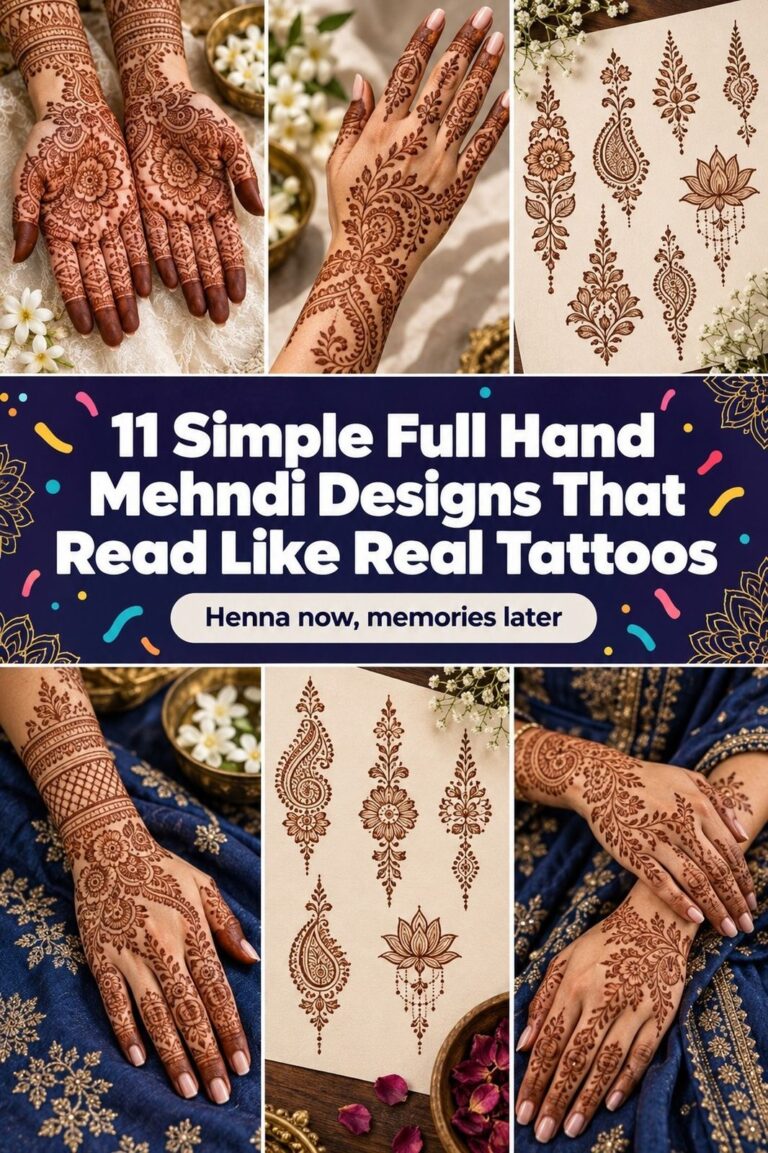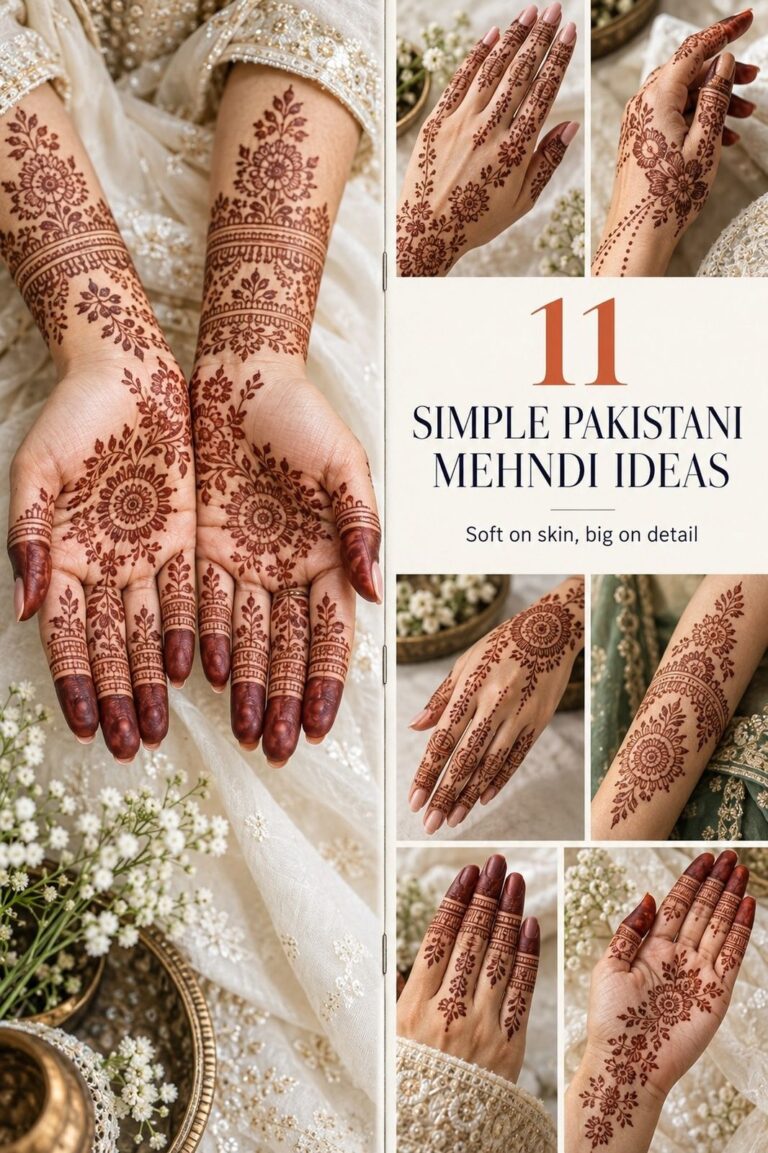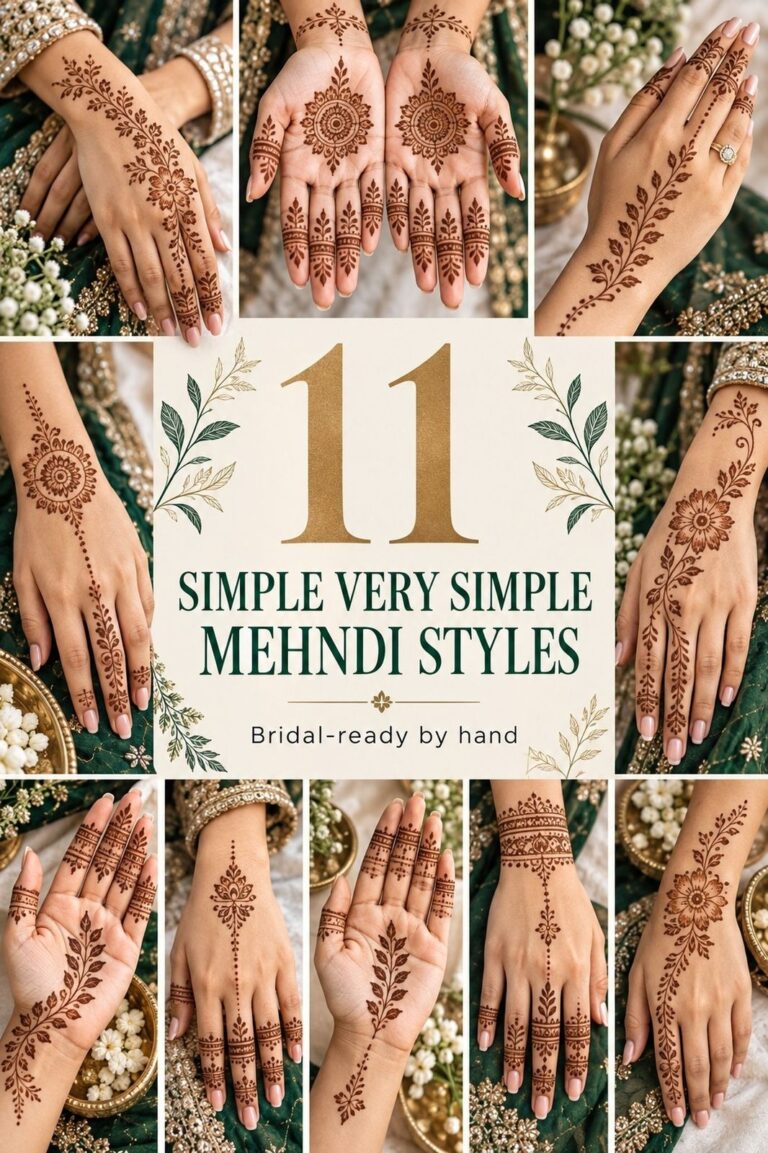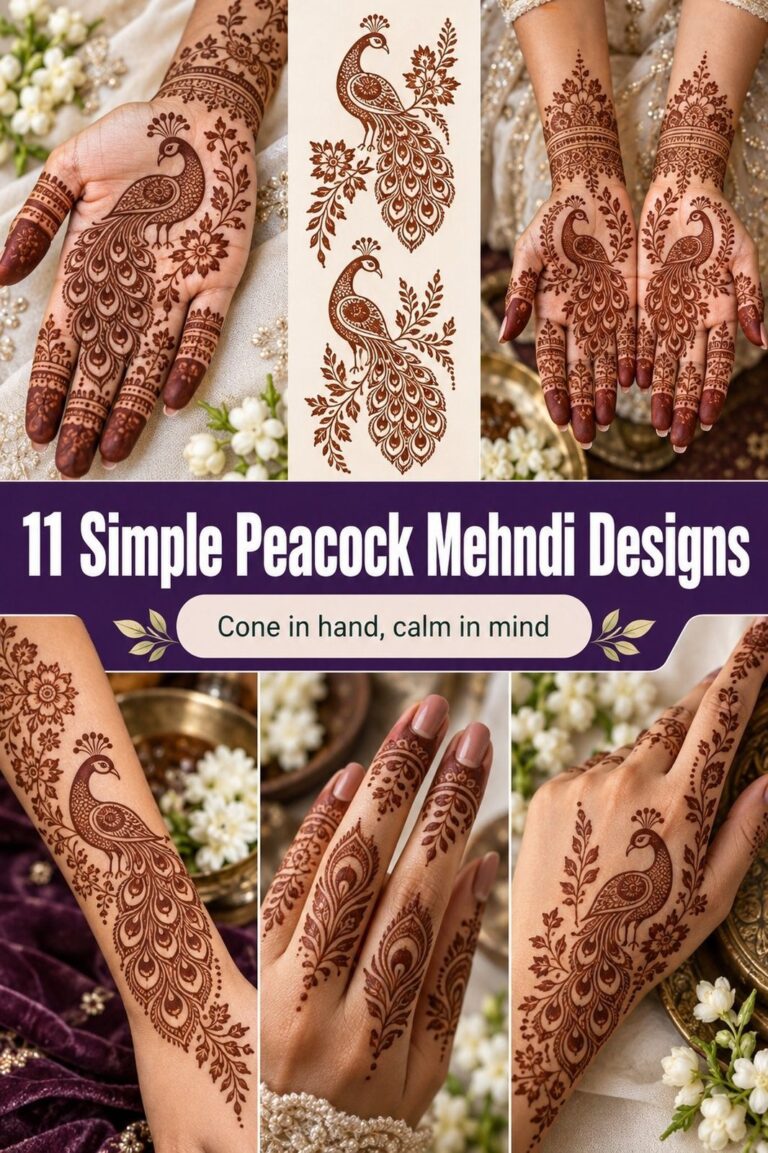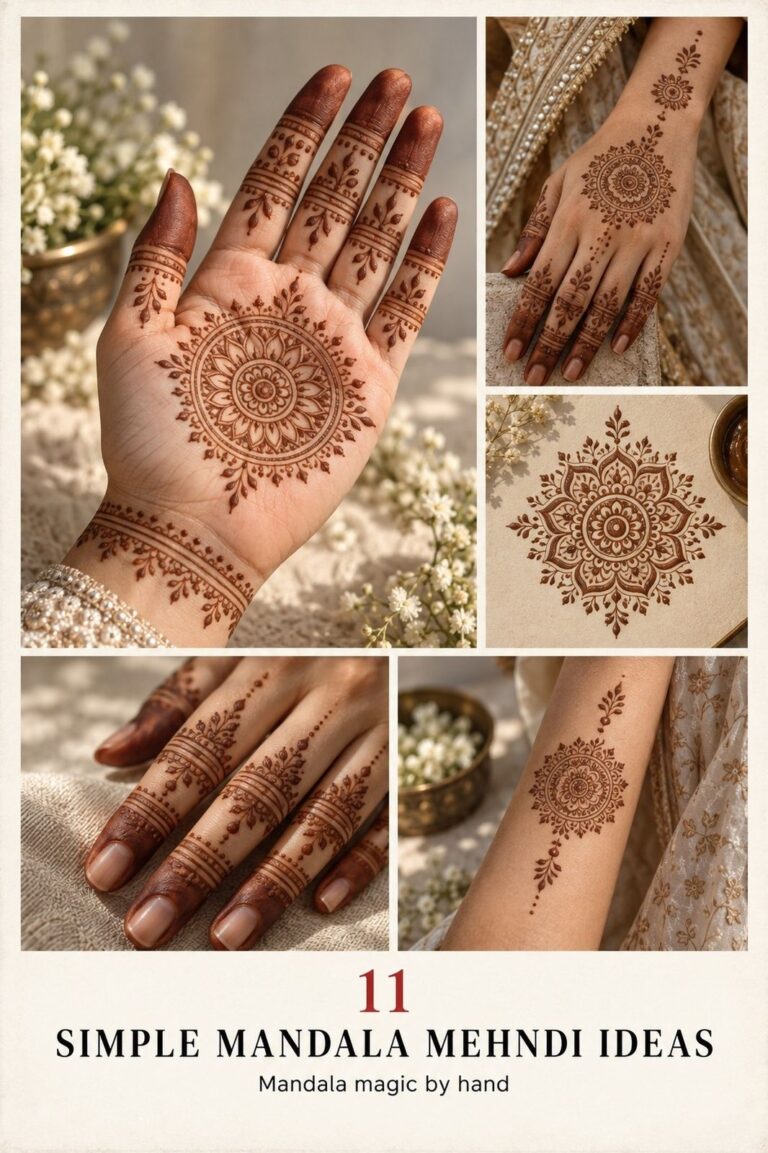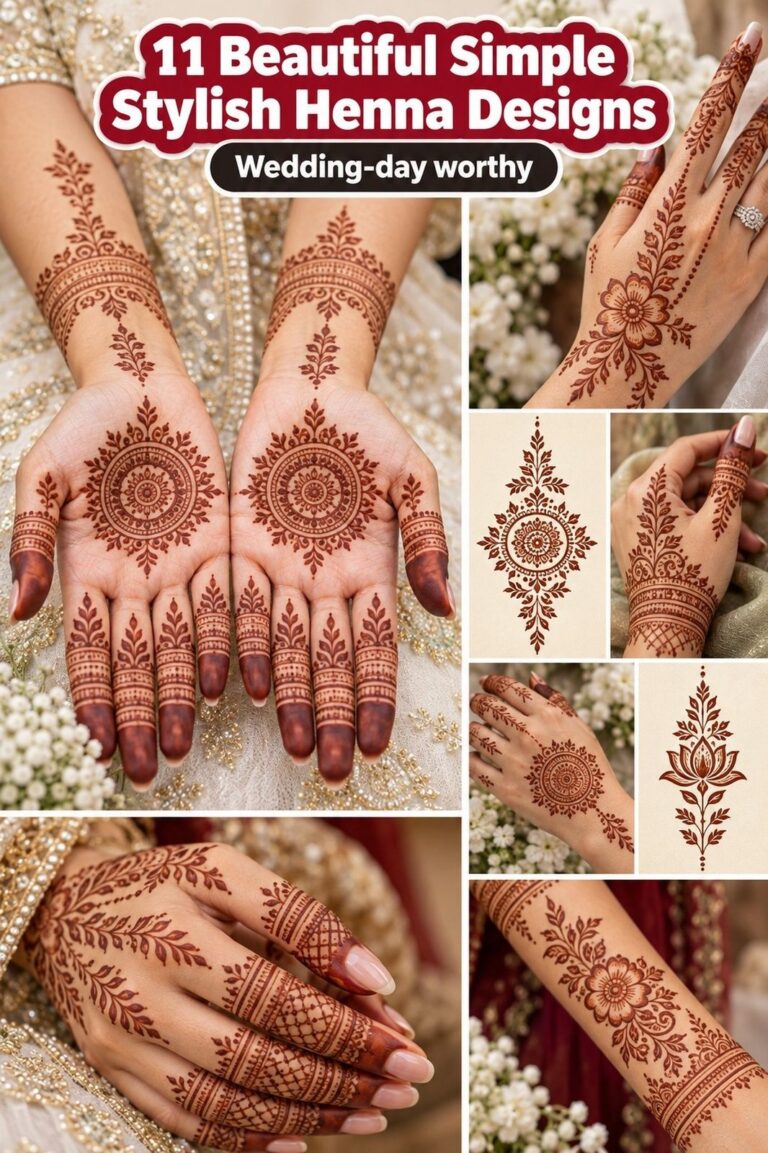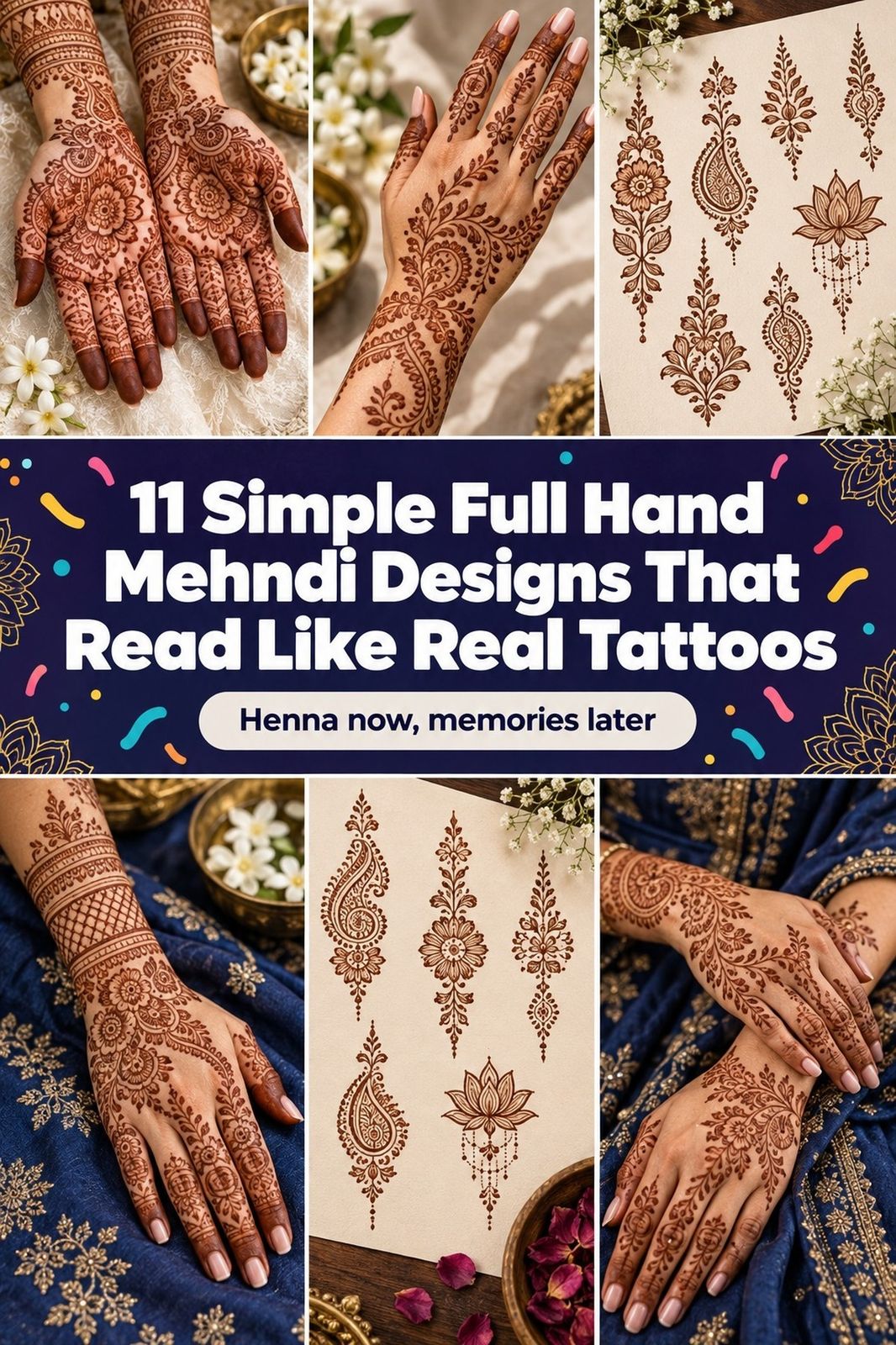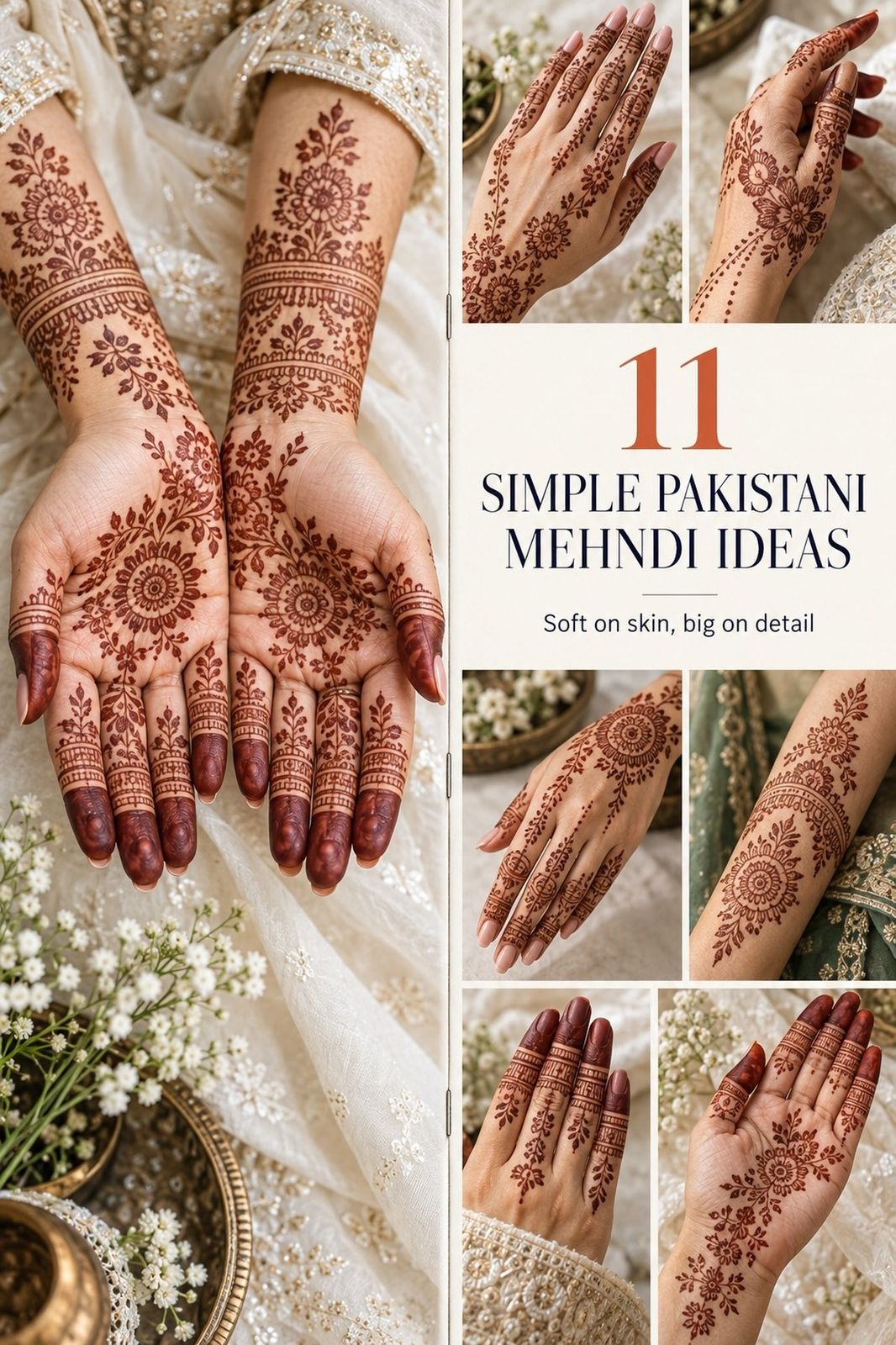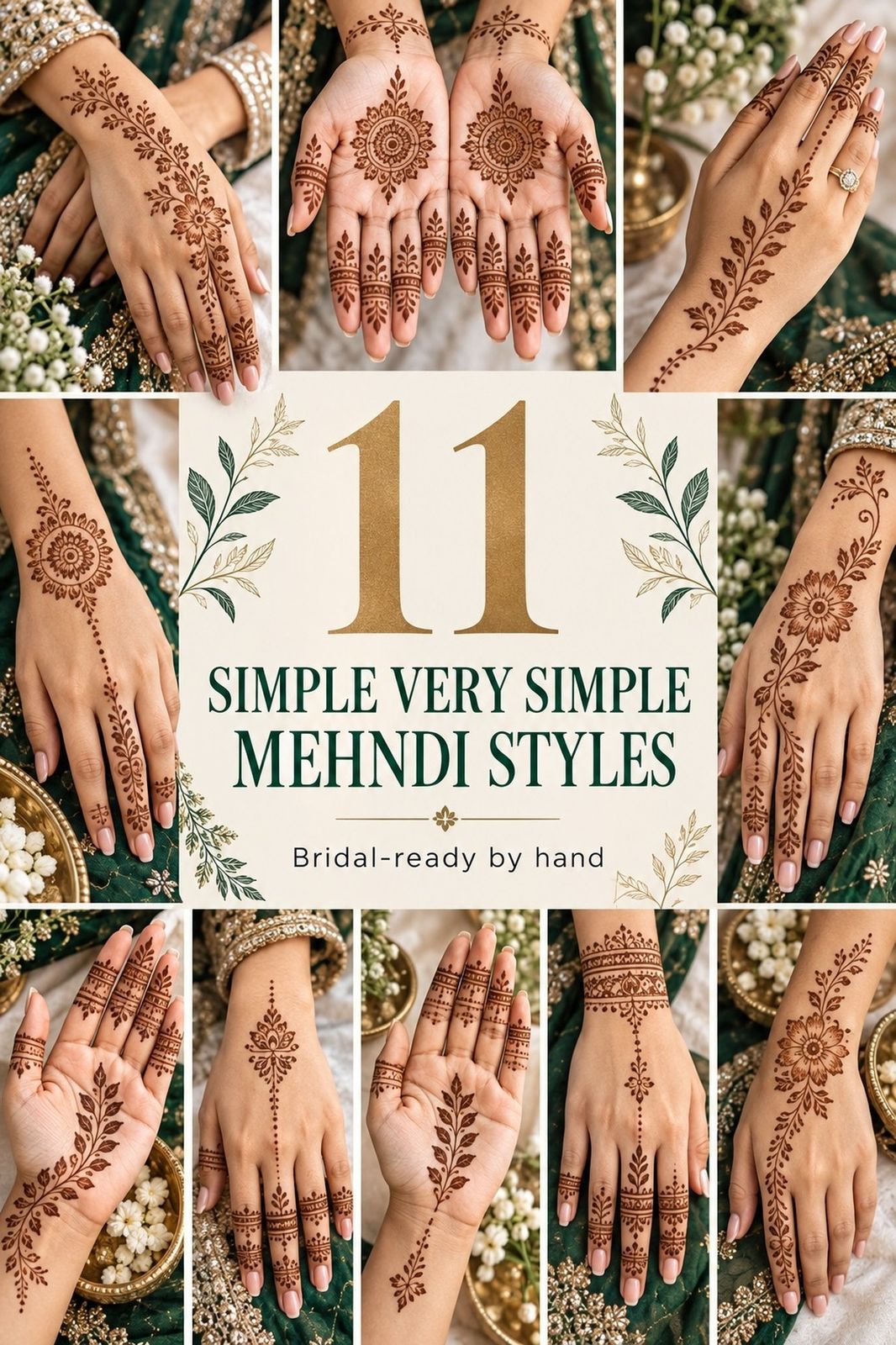
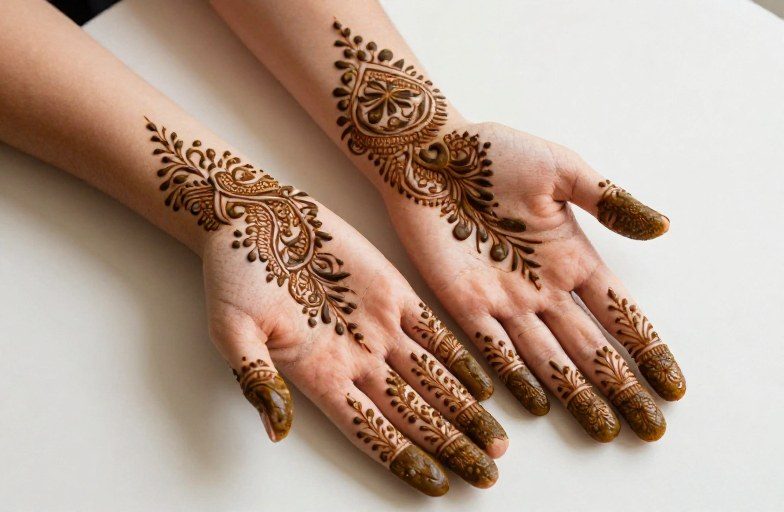
A “henna tattoo made out of” design refers to body art created from the crushed leaves of the Lawsonia inermis plant, a temporary stain that carries deep cultural weight. Unlike permanent ink, this organic dye bonds with keratin in the skin’s outer layer, creating a rust-brown or near-black pattern that fades as skin naturally exfoliates. The symbolism spans blessing, protection, joy, and transition, meanings that shift depending on the culture, the specific motifs drawn, and where on the body the paste is applied.
How It Ages on Skin
Understanding how henna actually behaves on skin clarifies why certain designs carry their particular meanings. The paste starts as a thick, muddy green-brown sludge that smells of earthy tea and eucalyptus. Once scraped off after drying, the stain begins as a pale orange and deepens over 24-72 hours into its final color.
Why the Color Shift Matters Symbolically
That dramatic darkening process mirrors transformation itself, birth, marriage, spiritual awakening. In many traditions, the deepening stain is read as a positive omen, proof that the blessing “took.” A stain that stays pale or blotchy signals something wrong: poor paste quality, oily skin, or in some cultural readings, bad luck or spiritual blockage.
- Palms and soles stain darkest due to thicker keratin layers, making them prime placement for protective symbols meant to “grab” good fortune
- Finger stains fade fastest from constant washing and use, which is why bridal designs concentrate complexity on the inner hand where wear is slower
- Back and shoulder pieces often end up patchy, so symbolic weight there is lighter, more decorative, less spiritually loaded
- Black “henna” containing PPD (para-phenylenediamine) is not true henna and can scar; its symbolism is modern, commercial, and disconnected from traditional meaning
The Fading as Part of the Meaning
Unlike permanent tattoos that freeze a moment, henna’s impermanence is central to its symbolism. The design disappears, but the event it marked, wedding, festival, mourning period, pregnancy, remains. Some cultures specifically choose elaborate patterns precisely because they will vanish, making the commitment to the ritual more significant than any permanent mark could be.
Personal & Modern Meanings
Contemporary wearers outside traditional cultures often adopt henna for different symbolic purposes. Festival-goers might choose mandala patterns for their association with meditation and wholeness. Pregnant people frequently get belly blessings, where the temporary nature feels appropriate to a transitional body state.
Modern symbolic uses include:
- Commitment ceremonies where both partners want ritual marking without permanent alteration
- Cancer patients using henna on bald heads or post-mastectomy scars as reclaiming decoration
- Travelers getting designs in Morocco, India, or Bali as embodied souvenirs
- People testing placement before committing to permanent tattoo work
The meaning here is often about control, choosing when to be marked, when to return to blank skin. That reversibility carries its own power, especially for those whose bodies are frequently read or judged by others.
Similar & Related Symbols
Henna exists alongside other temporary and semi-permanent body marking traditions that share some symbolic territory. Jagua, derived from Genipa americana fruit, produces a blue-black stain closer to tattoo ink and is sometimes used for similar blessing purposes in Central and South American indigenous practice. Mehndi is simply the Hindi/Urdu word for the art form itself, not a separate substance.
Permanent Tattoo Equivalents
Many people eventually commit henna motifs to permanent ink. Common translations include:
- Paisley patterns, originally representing the mango or cypress tree, now widely used in Persian and Indian-influenced permanent work
- The hamsa or Hand of Fatima, frequently rendered in henna on palms and later tattooed for permanent protection
- Floral vines and lace patterns that mimic the negative-space technique of skilled henna application
Permanent versions lose the ritual context and the living/dying aspect, but gain the commitment symbolism of irreversible body modification. The choice between them often maps onto whether someone values transformation or permanence more highly.
Color vs Black and Grey
Traditional henna offers essentially one color family: warm brown to near-black, depending on body chemistry, paste freshness, and how long the dried mud is left on. That limitation has shaped its symbolic vocabulary. Designs rely on line weight, negative space, and density variation rather than color contrast.
White Henna and Its Different Meaning
White “henna” contains no actual henna plant material, it’s typically body paint or adhesive with white pigment. It stains nothing, sitting on top of skin until it flakes or washes away. Symbolically, it reads as pure decoration, stripped of the protective and blessing associations of real henna. It’s popular for bridal photography and costume events where the visual of henna is desired without the multi-day commitment or cultural weight.
Red and purple commercial henna pastes add synthetic dyes for visual pop but similarly disconnect from traditional meaning. The natural brown’s organic origin is part of what made it symbolically potent, earth, plant, body, all temporarily merged.
History & Cultural Roots
The henna plant is often linked to ancient Egypt, where mummies show henna-dyed hair and fingernails. Some trace it to the Bronze Age Levant and Mesopotamia. Its use in wedding and celebration contexts is commonly associated with Jewish, Muslim, Hindu, and Zoroastrian communities across North Africa, the Middle East, and South Asia, though specific traditions vary enormously.
Regional Variation in Symbolic Use
Moroccan henna patterns tend toward geometric, architectural designs with protective symbolism, often applied for circumcision ceremonies and before significant travel. Indian and Pakistani bridal mehndi favors dense floral and figurative work, with the groom’s initials hidden in the pattern for him to find on the wedding night. Sudanese and Somali traditions often include specific talismanic symbols against the evil eye.
The night before a wedding spent applying henna, the henna party or mehndi raat, is itself symbolic community building. The hours of application force stillness, conversation, and intimate attention between the artist and the person being decorated.
Common Variations & Styles
Henna design vocabulary has evolved distinct regional and modern styles, each carrying slightly different symbolic weight.
Traditional Regional Styles
- Khaleeji (Gulf): large, bold floral patterns with thick lines and significant negative space, often extending to feet and lower legs
- Indo-Arabic: dense, lace-like coverage with paisley and peacock motifs, maximizing stained area for bridal visibility
- African: geometric, often angular patterns with specific protective symbols placed at joints and fingertips
Modern Fusion and Simplified Forms
Contemporary artists increasingly blend traditions or strip them to essential forms. Single-branch wrist pieces, finger-only designs, and minimalist line work have emerged as everyday wear rather than special-occasion marking. The symbolism shifts accordingly, from communal ritual to personal adornment, from protection to aesthetic pleasure.
Some artists now use henna-style patterns in permanent tattoo work with actual brown or reddish inks, creating a visual reference to the temporary tradition while committing it to skin forever. This hybrid form carries complex symbolism: the wearer wants the cultural resonance of henna but the permanence of tattoo, or perhaps lives between cultures and wants both identities visible.
Final Thoughts
A henna tattoo made from actual Lawsonia inermis paste carries meaning precisely because it is temporary, organic, and embedded in specific cultural practices of blessing and transition. The symbolism operates on multiple levels: the plant itself as living material, the application as ritual time, the pattern as coded message, and the fading as reminder of impermanence. Modern adoption outside originating cultures can honor or dilute these layers depending on the wearer’s knowledge and intent. Whether used for a single evening or a lifetime commitment to permanent ink translation, the core symbolic vocabulary, protection, joy, transformation, community, remains available to those who understand what the paste is actually made of and where it came from.
Frequently Asked Questions
How long does a real henna tattoo typically last?
Natural henna stains last one to three weeks depending on placement, skin type, and aftercare. Palms and soles hold color longest due to thicker skin; hands and fingers fade fastest from frequent washing and friction.
Can I get a permanent tattoo that looks like henna?
Yes, many tattoo artists specialize in permanent designs mimicking henna patterns using brown, reddish, or black ink. The result references the visual style but loses the temporary, organic, and ritual aspects that give traditional henna much of its meaning.
Is black henna safe to use?
Black henna containing PPD is not true henna and can cause severe allergic reactions, chemical burns, and permanent scarring. Traditional henna paste is brownish-green and smells earthy, never jet black in the mixing bowl.
What do the most common henna symbols actually mean?
Paisleys often represent fertility and life; flowers indicate joy and beauty; the sun or eye shapes serve protective functions against negative forces. Exact meanings vary by region and specific cultural context, so research the tradition you’re drawing from.