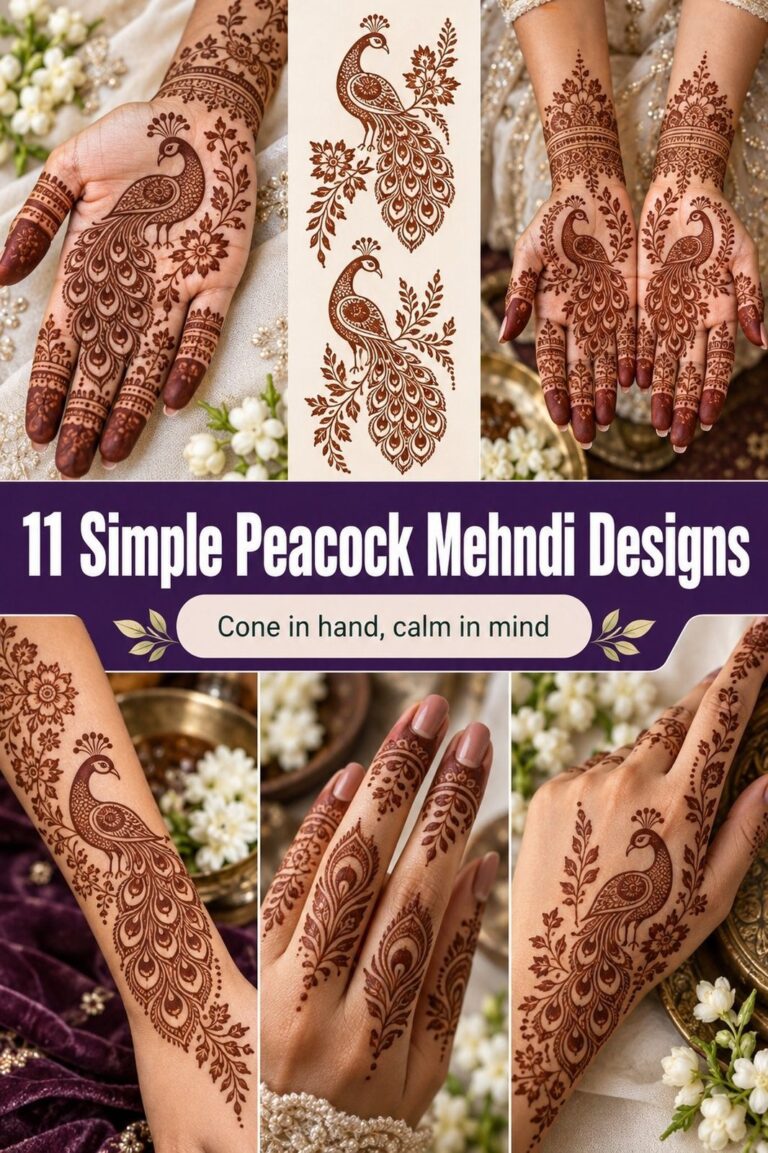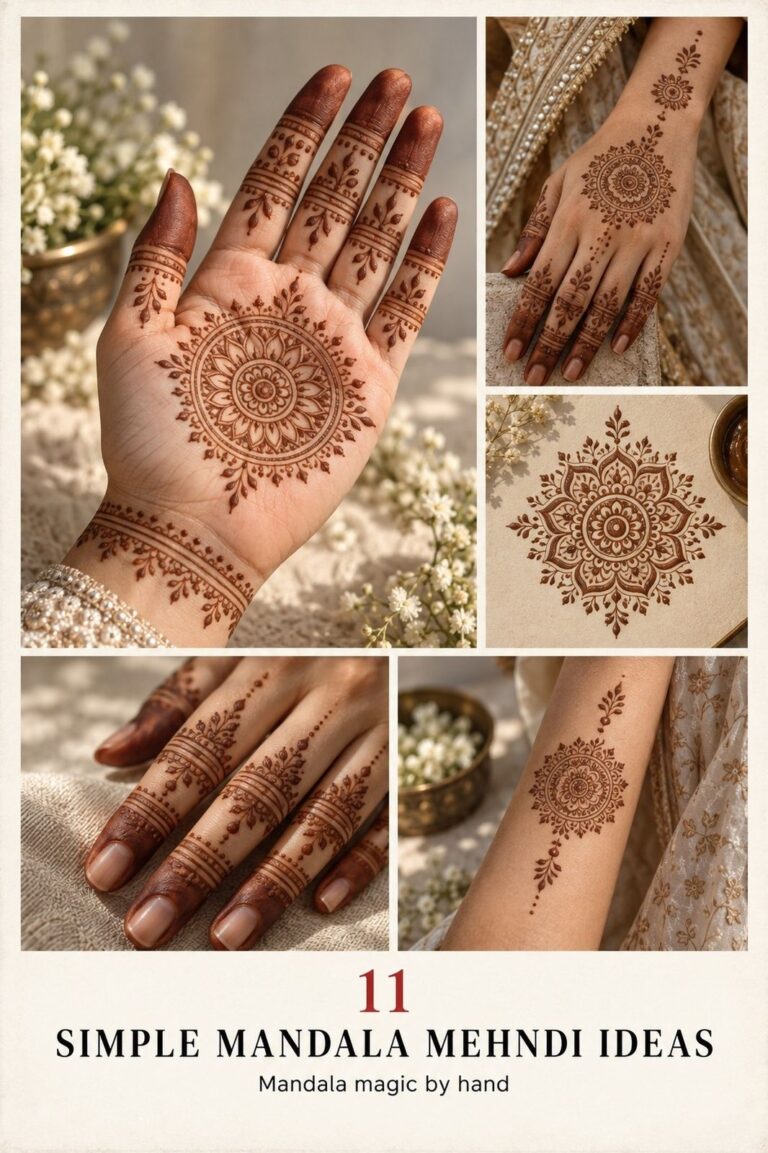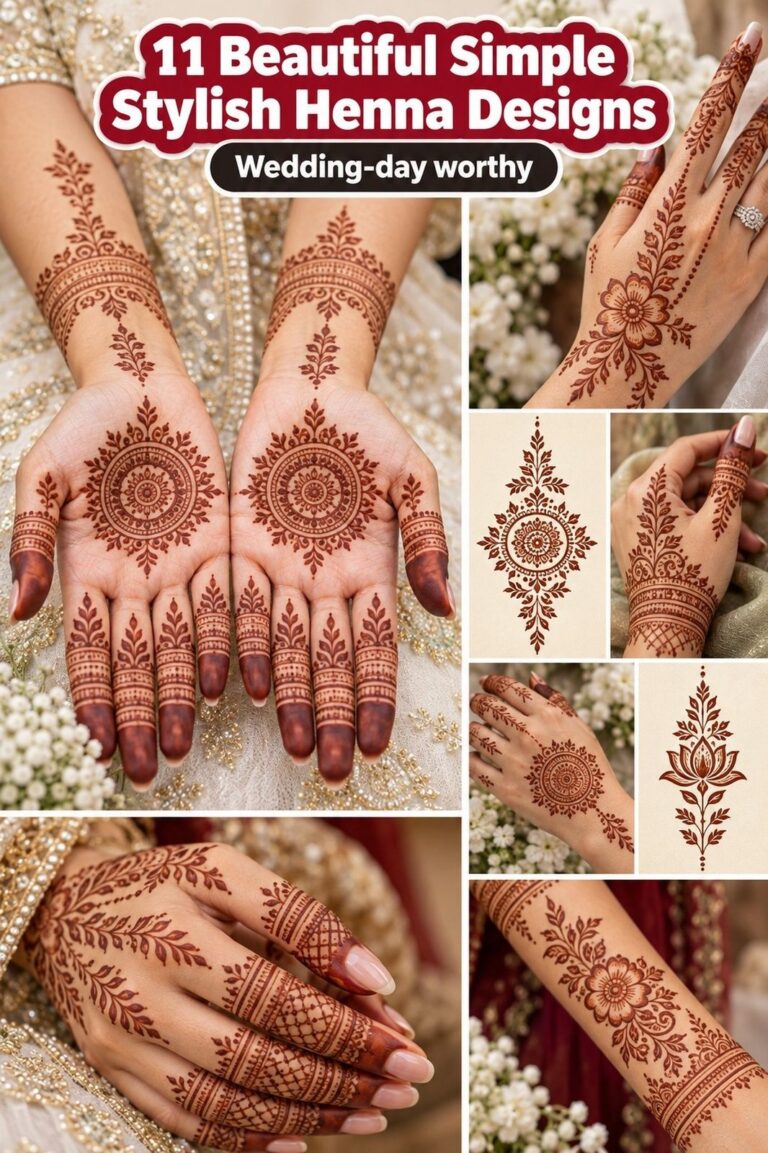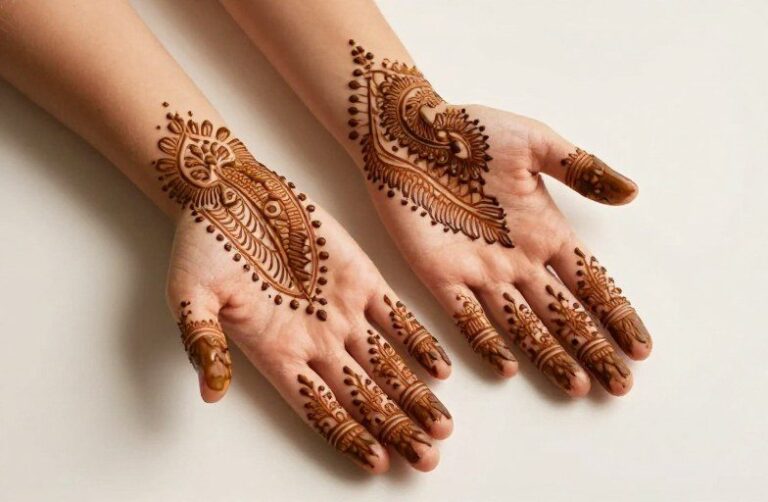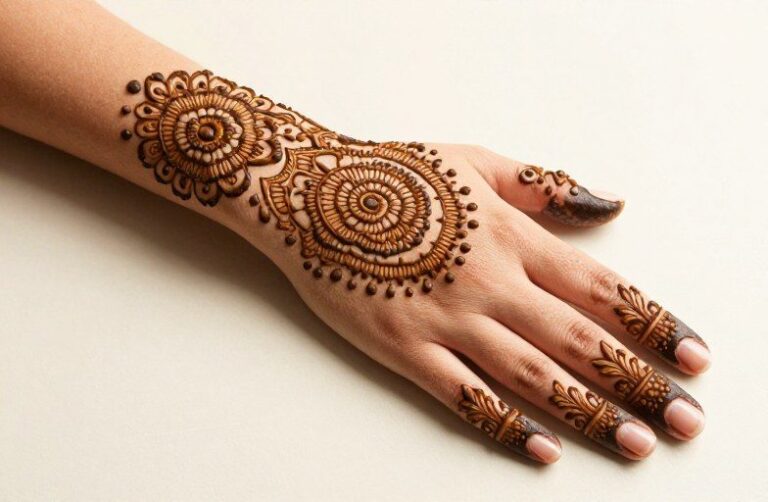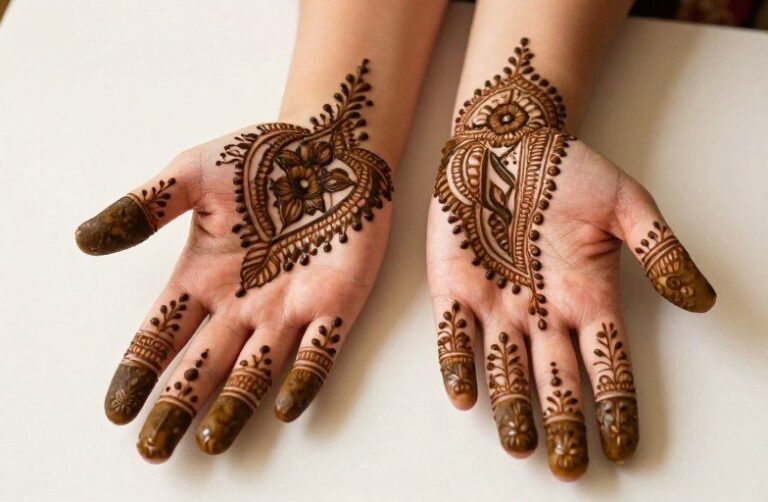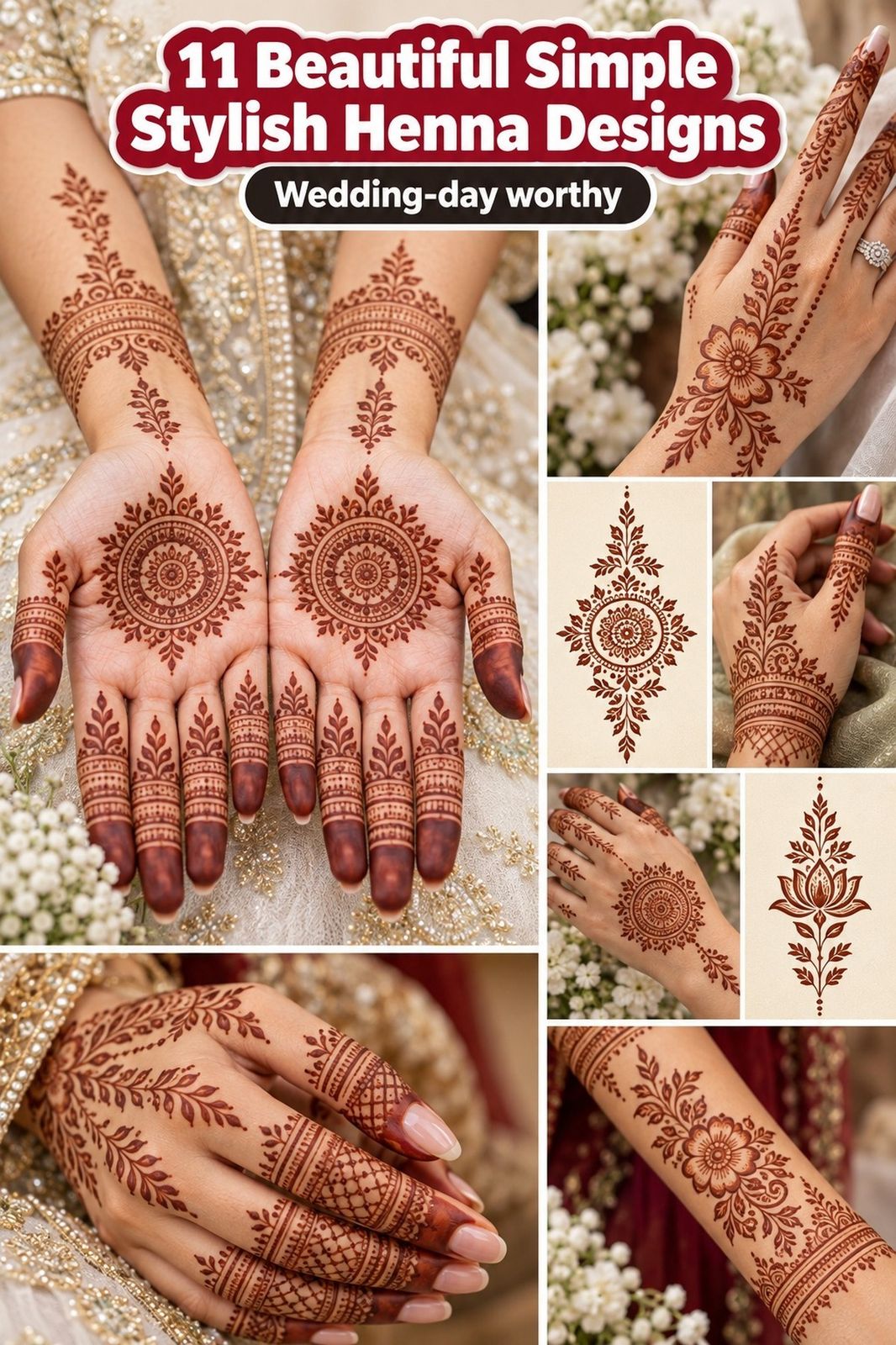
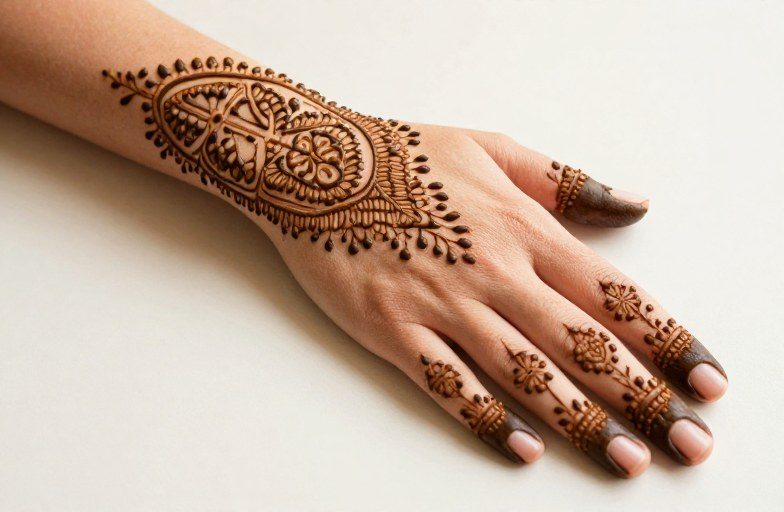
A henna tattoo, permanent ink mimicking the flowing, reddish-brown patterns of traditional mehndi, carries layered meaning. For many, it signals respect for South Asian and Middle Eastern cultural heritage, a bridge between temporary ritual and lasting commitment. Others choose it for the aesthetic alone: the organic, unbroken lines and botanical motifs that read as elegant decoration without hard edges. The “what is henna tattoo ink made of” question itself often drives interest, since understanding the natural dye (ground Lawsonia inermis leaves, lemon juice, sugar, and essential oils) deepens appreciation for translating that organic tradition into permanent pigment.
Color vs Black and Grey
The Traditional Warmth of Henna Tones
Authentic henna stains skin in terracotta, auburn, and deep rust tones. Translating this to permanent ink, artists often reach for warm sepia, burnt sienna, or reddish-brown formulations. These colors hold a specific challenge: red and brown pigments fade faster than black, shifting toward orange or pink before settling. On lighter skin, this evolution reads as natural; on darker complexions, the contrast softens over time, sometimes disappearing into the skin tone entirely. A skilled artist accounts for this by packing color slightly deeper than the target shade, anticipating the fade.
Black and Grey Interpretations
Black ink offers sharper longevity and broader skin-tone compatibility. The trade-off is immediate: you lose the warmth that defines henna’s visual identity. Some artists solve this by mixing approaches, black linework with subtle brown shading, or dotwork textures that suggest the granular quality of henna paste drying on skin. Greywash can mimic the way henna darkens from paste to stain, creating tonal variation within a single design. These hybrid approaches age more predictably than pure color but require an artist who understands both traditions.
Religious & Spiritual Angles
Henna application predates recorded history in multiple regions, often linked to blessings, protection, and celebration. In Hindu wedding traditions, elaborate mehndi ceremonies invoke joy, spiritual awakening, and the bond between partners. Some trace henna’s protective use to ancient Jewish, Muslim, and Christian communities across North Africa and the Middle East, where patterns guarded against the evil eye or marked passage into new life stages.
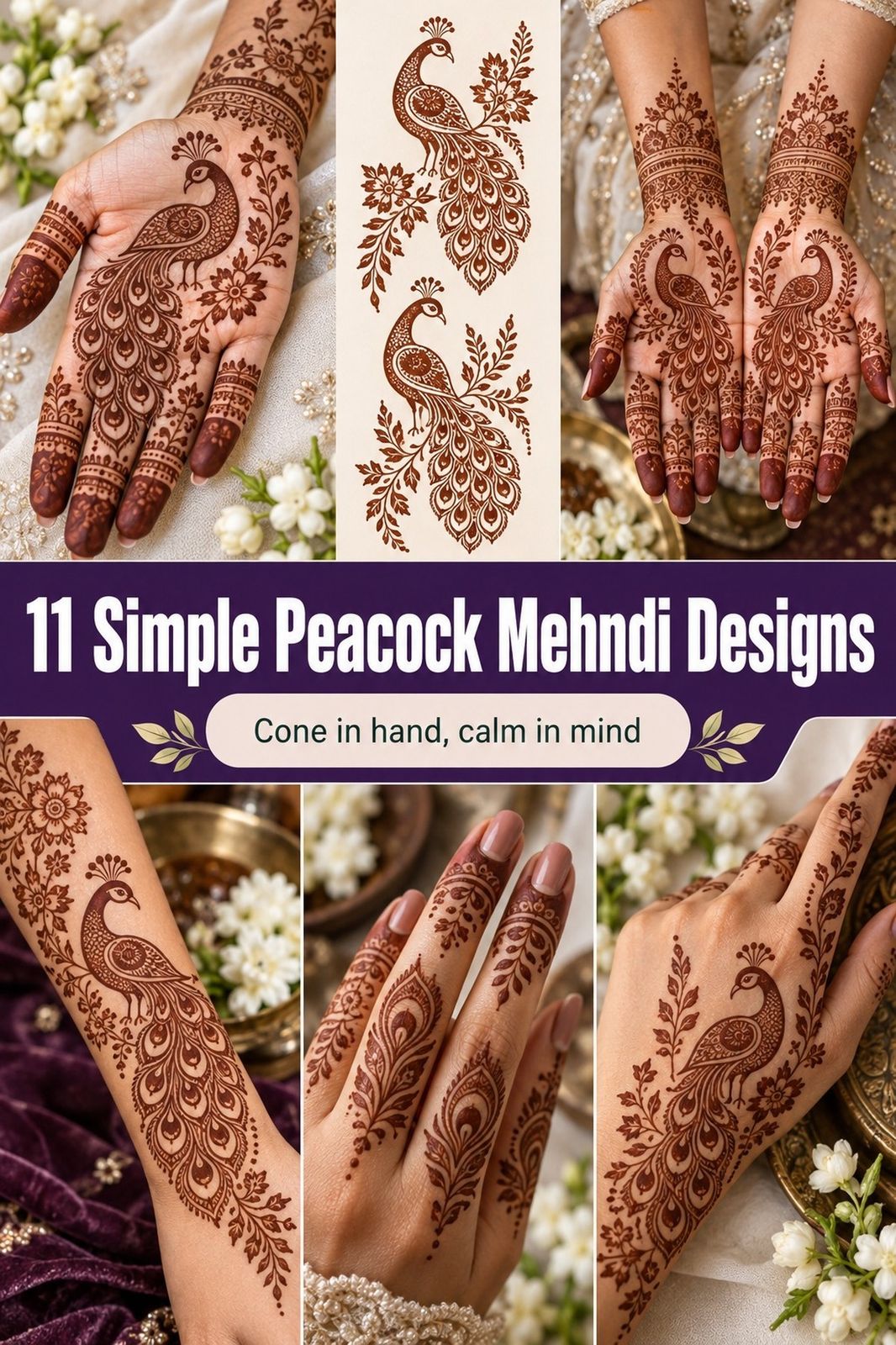
Permanent henna-style tattoos can honor these roots, but context matters. A non-South Asian wearer should research specific motifs, peacocks, lotuses, and certain geometric configurations carry distinct sacred weight. Generic “henna-inspired” flowing vines avoid appropriation risks while still capturing the aesthetic. The spiritual resonance, for believers, lies in intention: a permanent mark can serve as daily remembrance of faith, commitment, or cultural connection. For secular wearers, the design often represents reverence for ritual itself, the human impulse to mark significant moments on the body.
Personal & Modern Meanings
Commitment to Impermanence
There’s an inherent tension in making permanent what was designed to fade. Some wearers embrace this paradox: choosing lasting ink to honor temporary experiences, travel, relationships, phases of self-discovery. The henna tattoo becomes a frozen moment, the design that once adorned a festival or holiday now preserved. This meaning resonates particularly with people who received authentic mehndi during formative experiences and want to carry that visual memory forward.
Feminine Identity and Reclamation
Historically, henna application was often women-only space, intimate, social, celebratory. Modern wearers, particularly those reclaiming bodily autonomy after trauma or restrictive upbringing, sometimes choose henna patterns to reconnect with feminine lineage and self-determined beauty. The flowing, non-aggressive quality of traditional designs supports this; there are no sharp angles demanding defense, only continuous movement. Male wearers are increasingly common too, often selecting bolder, larger-scale interpretations that challenge gendered assumptions about the style.
How It Ages on Skin
Henna designs rely on precision: thin lines, dense stippling, negative space, and fine dotwork. These elements age unevenly. Single-needle lines common in authentic-style work blur faster than bold tribal counterparts; what reads as delicate at month three may become indistinct by year five. Shading techniques matter enormously, smooth gradients tend to hold better than high-contrast dot clusters, which can merge into muddy texture.
UV exposure attacks reddish pigments disproportionately. A henna-style piece on frequently sun-exposed skin (hands, forearms, feet) requires touch-ups every 3-5 years to maintain readability. Location also affects how the design “settles”: areas with thin skin and high movement (wrists, ankles) experience more distortion as the body changes. The organic nature of henna patterns partially conceals this; a slightly blurred vine reads more naturally than a distorted geometric shape. Still, prospective wearers should plan for maintenance or accept graceful degradation as part of the piece’s character.
Best Placements
Hands and Feet: The Authentic Canvas
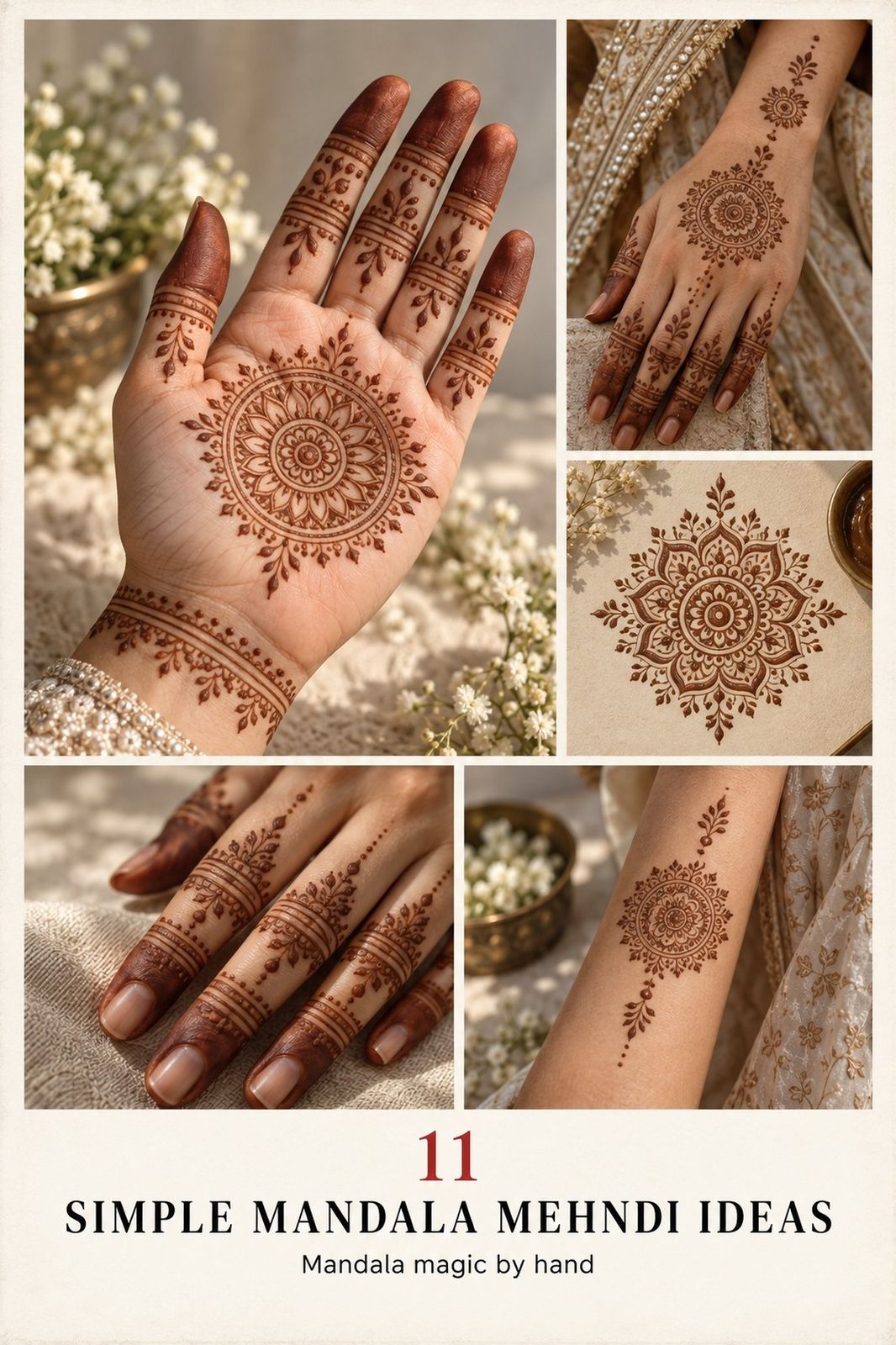
Traditional mehndi centers on palms, backs of hands, and soles, areas where skin is thick and stain develops darkest. Permanent ink behaves differently here. Palm tattoos fade rapidly due to constant regeneration; most artists refuse them or warn they’ll need near-annual refresh. The dorsal hand offers better longevity, with bone structure providing natural framing for mandala centers or fingertip accents. Feet present similar challenges: the arch blurs quickly, while the ankle and top of foot hold better. These placements carry the strongest cultural resonance but demand realistic expectations.
Body Adaptations
Shoulder caps, upper arms, and ribcages translate henna’s flowing quality into spaces that age well and allow scaling. A large back piece can incorporate the full complexity of bridal mehndi, layered botanicals, geometric borders, hidden initials, without the constraints of wrapping around small joints. The ribcage’s canvas suits the elongated, asymmetrical quality of some North African henna traditions. These placements sacrifice immediate cultural recognition for longevity and artistic freedom.
Who Chooses This Tattoo
The wearer profile spans unexpectedly wide territory. First-generation immigrants and their children often use permanent henna to maintain connection without the time investment of traditional application. Festival-goers who encountered mehndi artists at events sometimes seek permanent versions of designs they received repeatedly. Others arrive purely through visual attraction, having no prior exposure to the tradition.
Age distribution skews toward 25-40, typically after initial career establishment when visible tattoos become more viable. The style appeals to professionals seeking decorative rather than aggressive body art, henna’s organic quality reads as “beautiful” before “tattooed” in many contexts. There’s also significant crossover with yoga practitioners, dancers, and others in movement disciplines where the body itself is artistic medium. The choice rarely reads as impulsive; henna’s complexity and cultural weight attract people who’ve considered the decision thoroughly.
What to Remember
Henna-inspired permanent tattooing sits at a cultural crossroads. The most successful pieces result from honest engagement with that position, whether through deep research, collaboration with culturally informed artists, or thoughtful selection of non-specific motifs. Technical execution demands specialists: not every artist comfortable with American traditional or realism can handle the continuous, unbroken linework and negative-space precision that defines convincing henna style.
The meaning ultimately depends on your relationship to the tradition. Heritage connection, aesthetic appreciation, and commemorative intent all validate the choice when held with awareness. Prioritize artists who show actual mehndi study in their portfolios, not just generic “tribal” patterning. Ask about their pigment choices for longevity, their experience with your skin tone, and their policy on culturally specific motifs. The best henna tattoos honor both the temporary tradition and the permanent commitment you’re making.
Frequently Asked Questions
Can I get a henna-style tattoo if I’m not South Asian or Middle Eastern?
Yes, but choose carefully. Generic flowing vines and botanical patterns avoid appropriation concerns. Research specific motifs before requesting them, and consider consulting artists from the tradition. Intention and respect matter more than ancestry.
How do I find an artist who specializes in this style?
Look for portfolios showing continuous, unbroken linework and negative-space precision, not just “tribal” patterning. Ask if they’ve studied actual mehndi application. Many henna specialists who transitioned to permanent ink carry the deepest understanding.
Will a colored henna tattoo look fake or fade to pink?
Red and brown pigments do shift over time, often toward orange or pink before settling. Experienced artists compensate by packing deeper than target shade. Black and grey alternatives age more predictably but sacrifice the warmth that defines henna’s visual identity.
Why do henna tattoos cost more than simple black line work?
The continuous, unbroken linework and dense stippling require intense concentration and time. A palm-sized henna piece often takes 3-4 hours versus 45 minutes for equivalent-size bold line work. The precision demands also increase touch-up complexity.