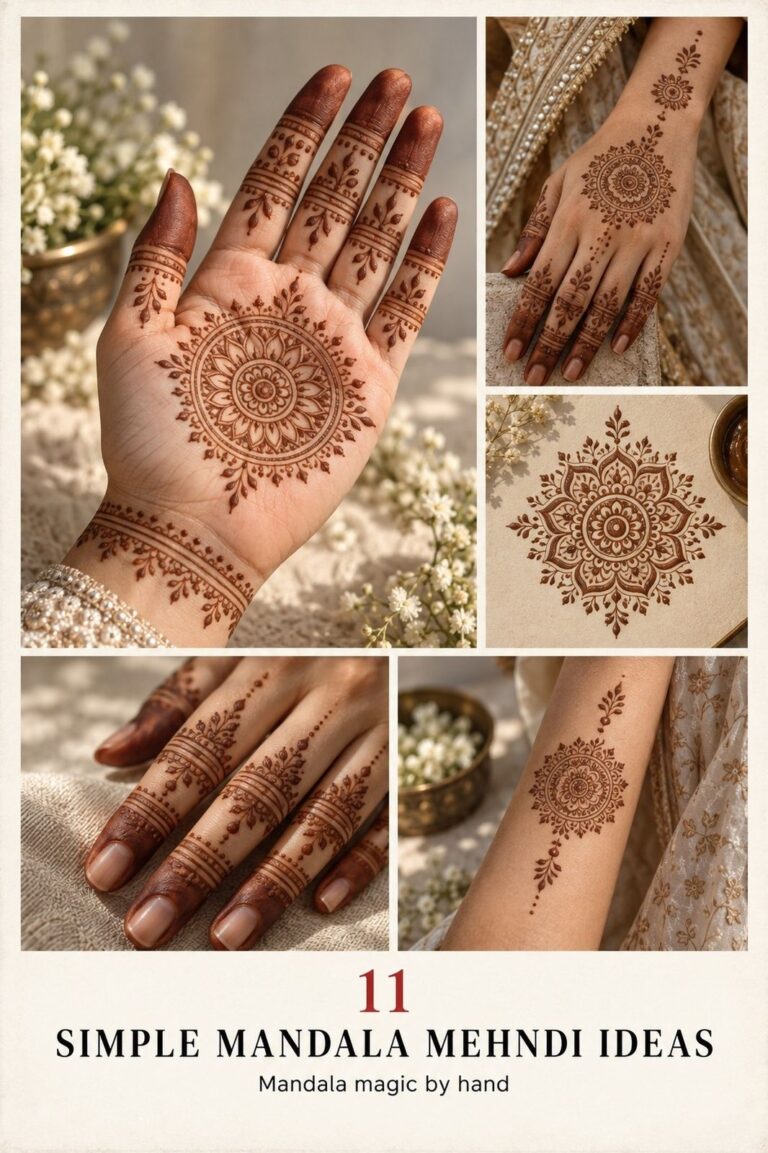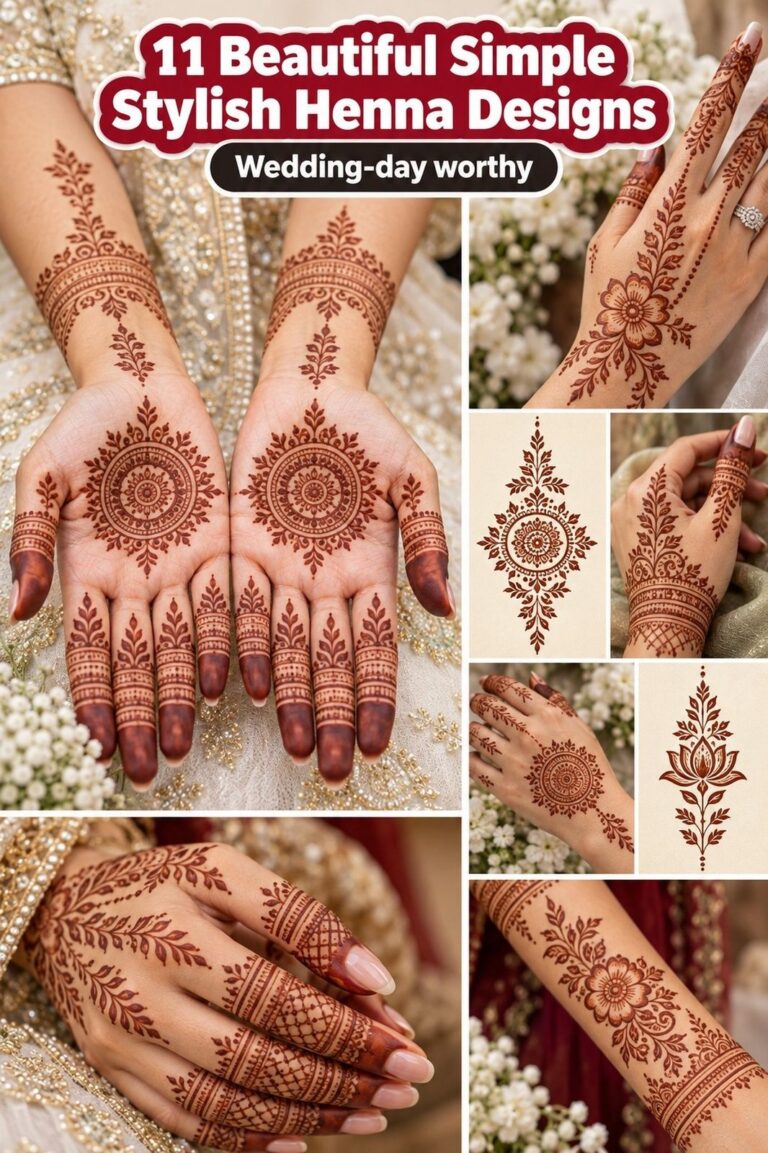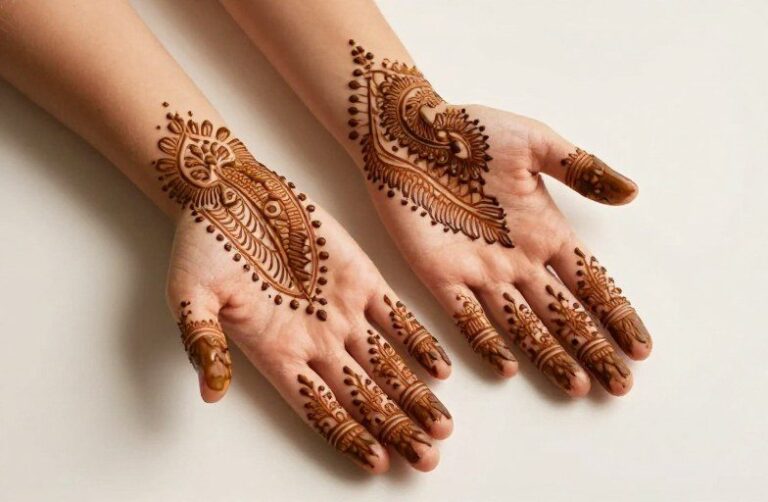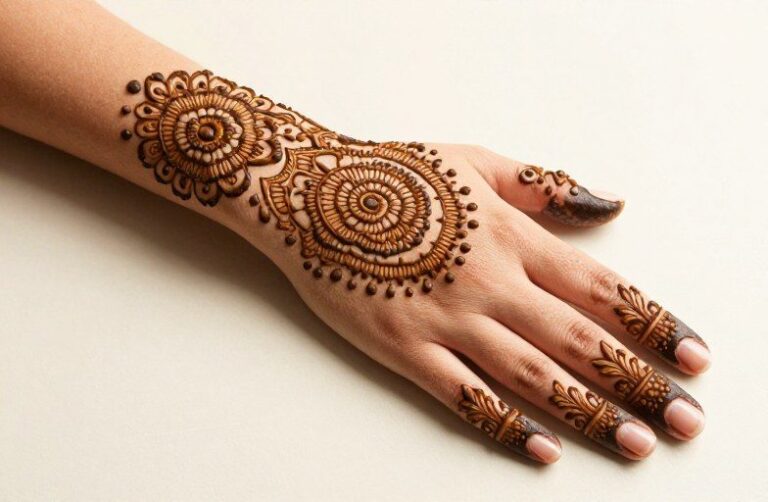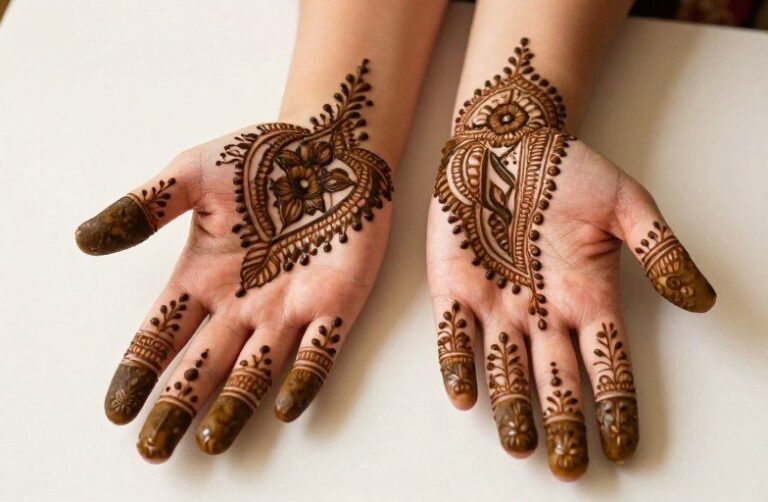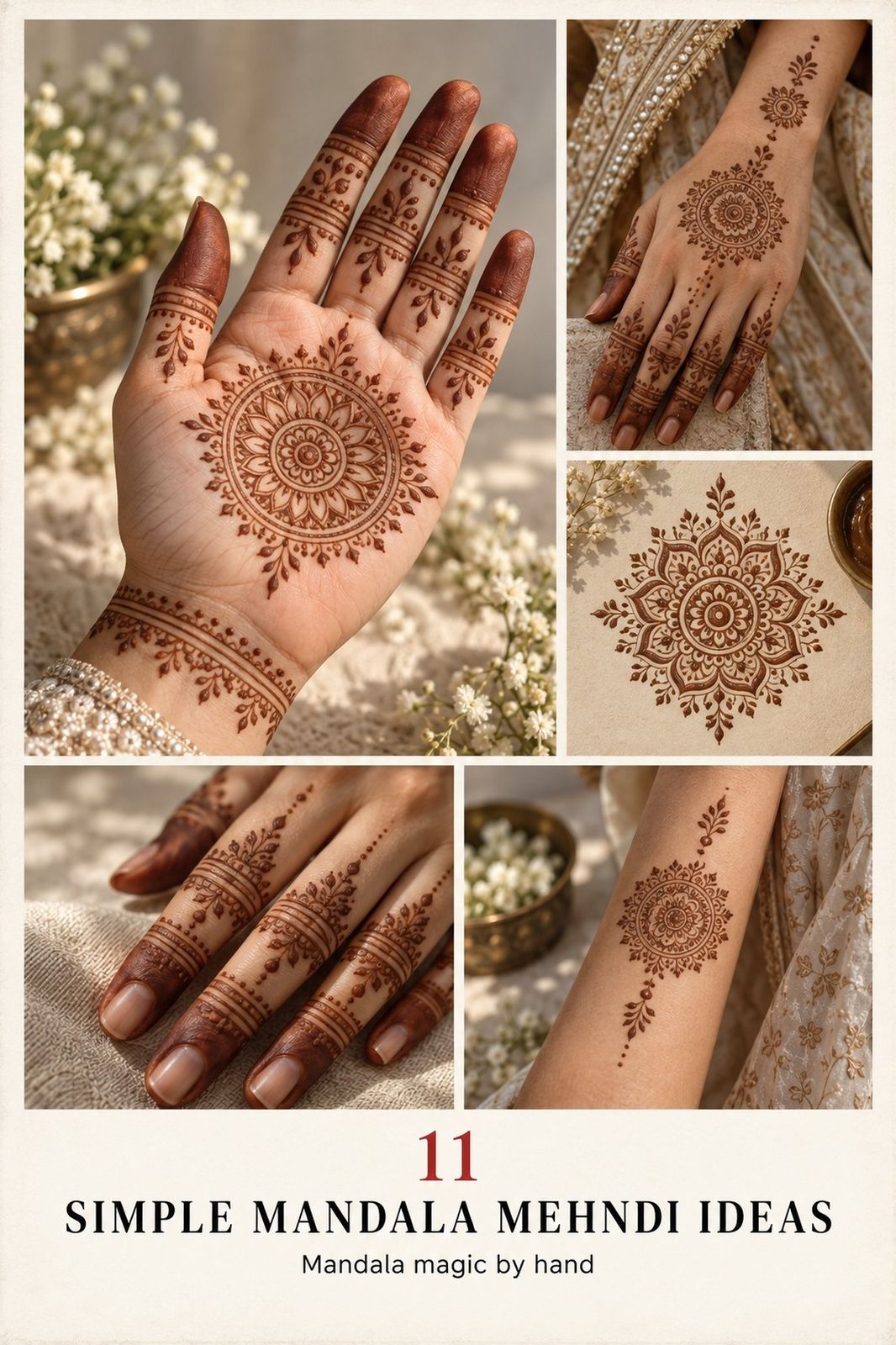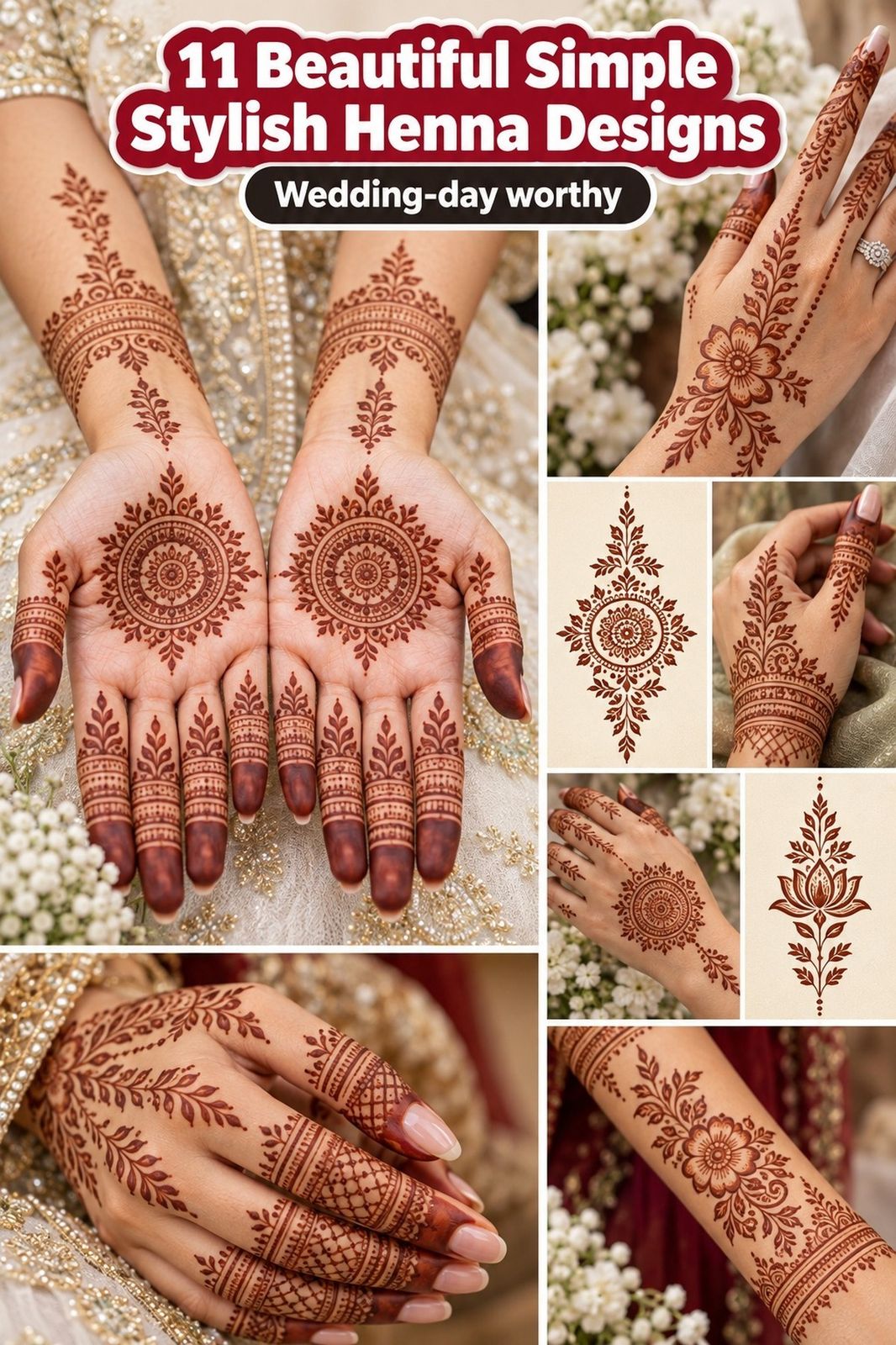
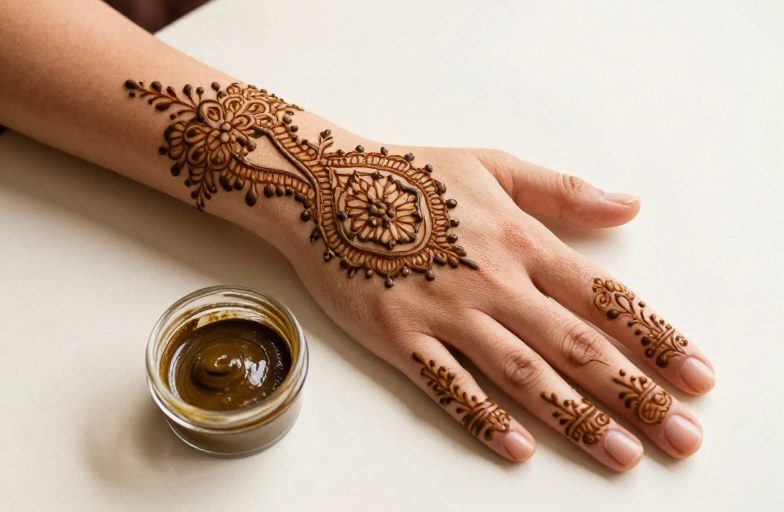
You can make real henna tattoo ink at home by mixing body-art quality (BAQ) henna powder with an acidic liquid, sugar, and a skin-safe essential oil, then letting it rest for dye release. The paste stains skin by lawsone molecules binding to keratin, creating a temporary tattoo that lasts one to three weeks depending on placement and aftercare.
What to Expect Step by Step
Home henna is straightforward but demands patience. The process spans mixing, resting, application, and a long drying phase. Here’s the full arc.
Mixing the Base Paste
Start with 100 grams of BAQ henna powder, this means sifted, stringy, body-art grade from a reputable supplier, not the dusty green stuff from import stores that often contains hidden dyes. Sift it again through fine mesh to remove any grit that’ll clog your applicator.
- Mix with lemon juice, not water. The acidity (pH around 2-3) breaks down plant cell walls and releases lawsone. Use about 25-30ml liquid per 100g powder.
- Add 1-2 tablespoons sugar. This keeps the paste flexible on skin, prevents cracking, and helps it stick during the long set time.
- Stir in 10-15 drops of cajeput, tea tree, or lavender essential oil. These terpene-rich oils boost dye release and darken the final stain.
The paste should resemble thick mashed potatoes or smooth brownie batter. Too thin and it bleeds; too stiff and it won’t flow through an applicator.
Dye Release and Resting
Cover the paste tightly, pressing plastic wrap directly onto the surface to prevent oxidation. Let it sit at room temperature for 6-24 hours. Test a dot on your palm, when the stain turns orange within a few minutes, you’re ready. Refrigerate unused portions; they keep about 3-5 days before losing potency.
Tips From the Chair
Application technique separates amateur splotches from clean, professional-looking lines. These details come from watching how paste behaves on actual skin.
Applicator Choices
Carrot bags with metal tips give the finest control for intricate work, similar to icing a cake. For larger fills, a squeeze bottle with a wide nozzle moves faster. Some people use toothpicks or cones made from mylar, but those require practice. Whatever you choose, consistency matters more than tool glamour.
Working the Skin
Clean the area with plain soap, no lotion residue. Palms and soles stain darkest due to thick keratin layers; upper arms and backs stain lighter and fade faster. Work in warm conditions, cold skin constricts blood flow and yields weaker color. After applying, let the paste dry until it no longer smudges, then seal with a lemon-sugar dab or medical tape.
Leave the paste on as long as possible. Four hours minimum; eight to twelve hours ideal. Sleep with it protected by tissue and socks if it’s on feet. The longer the lawsone has to migrate into skin cells, the deeper the stain.
When to See a Professional
Home henna is rewarding, but certain situations warrant finding an experienced artist.
- Black henna warnings: If you see products promising “black henna” or instant dark stains, avoid them. These often contain paraphenylenediamine (PPD), a hair dye chemical that causes blistering, scarring, and lifelong sensitization. Real henna never stains black initially, it goes orange-brown, then oxidizes to reddish-brown over 48 hours.
- Complex designs: Bridal-style full-hand work with fine negative space requires years of muscle memory. A professional also knows how to adjust paste consistency for different body zones.
- Skin conditions: Eczema, psoriasis, or recent sunburn can react unpredictably. Artists who specialize in henna understand skin prep for compromised barriers.
Professional henna artists typically charge $50-$200+ depending on design complexity and coverage. Home sessions cost $15-30 in materials for multiple applications.
Aftercare Essentials
The first 24 hours determine your stain depth. After that, it’s about slowing the fade.
The Critical First Day
Scrape off dried paste with a butter knife or credit card edge, don’t wash it off with water. The water stops the oxidation process prematurely. Once removed, avoid water contact for 12 hours if possible. The stain will look bright orange initially; this is normal, not a sign of weak henna.
Extending the Life
Apply a thin layer of olive oil or natural balm before showering to create a water barrier. Pat, don’t rub, when drying. Chlorine pools and exfoliating scrubs strip the stained skin cells fastest. On hands, the stain typically lasts 7-10 days; on feet where skin turnover is slower, 2-3 weeks is common.
There’s no pain during application or healing, henna sits on skin surface, never breaking it. This makes it popular for people needle-shy or too young for permanent work.
Realistic Expectations
Home henna carries variables you can’t fully control. Individual skin chemistry, recent antibiotic use, and even hormonal shifts affect how lawsone binds. Some people stain deep burgundy; others get light caramel. Both are valid results from the same batch.
Color also shifts over time. Day one: bright pumpkin. Day two: rust. Days three-five: peak maturity, usually a rich reddish-brown. By day ten, desaturation begins as your epidermis naturally sloughs. This isn’t the tattoo fading, it’s you growing new skin.
Placement dramatically affects longevity. Inner wrists see constant friction from desks and keyboards. Finger sides, where skin flexes most, often shed first. The tops of feet, protected by socks and low movement, hold color longest.
Common Mistakes
Most home henna failures trace back to a few fixable errors.
Bad Powder and Bad Timing
Using old or improperly stored henna is the biggest culprit. Lawsone degrades with heat, light, and time. If your powder smells like hay or dust rather than fresh-cut grass, it’s likely weak. Similarly, skipping the dye-release rest means applying inert paste that’ll stain skin temporarily with the lemon juice itself, an orange shadow that washes away in hours.
Impatience During Setting
Smudging wet paste, peeling it off too early, or washing within the first few hours all sabotage your results. The lawsone needs sustained contact; every interruption costs you depth. Also, adding too much liquid makes paste run, causing blurred lines that look like watercolors rather than crisp tattoo work.
Another frequent error: applying essential oils undiluted directly to skin. These always go in the paste, never straight onto the body, concentrated terpenes can irritate or sensitze.
Final Thoughts
Making henna at home connects you to a practice with genuine roots in North African, Middle Eastern, and South Asian traditions, though exact origins are often linked to multiple regions rather than a single point. The modern appeal is simpler: temporary, painless, deeply personal adornment without permanence or cost.
Your first batches might stain lighter than expected. That’s normal. Keep notes on your powder source, mixing ratios, and set times. Henna rewards repetition. Within a few sessions, you’ll read paste consistency by sight and know your own skin’s staining pattern. The skill builds like any other, through doing, adjusting, and paying attention to what actually happens on skin.
Frequently Asked Questions
Can I use regular kitchen henna powder from an import store for skin application?
No. Culinary or hair-quality henna often contains additives, lower dye content, and coarser sift that can irritate skin or produce weak stains. Always source body-art quality (BAQ) henna from suppliers who specialize in skin-safe products.
Why did my henna tattoo turn out orange instead of dark brown?
Fresh henna always starts orange and darkens over 24-48 hours as lawsone oxidizes. If it stays pale, your paste may have had poor dye release, insufficient set time, or old powder. Deep color requires patience during both mixing and wearing.
Is it safe to add coffee, tea, or wine to henna paste for darker color?
These liquids don’t significantly darken stains and can introduce bacteria or unpredictable pH shifts. Lemon juice with proper essential oils provides the most reliable, safe dye release without contamination risk.
How do I tell if a henna product contains dangerous PPD chemicals?
Any product claiming “black henna,” instant black results, or lasting only a few days likely contains PPD or other synthetic dyes. Real henna paste is brownish-green, smells herbal, and stains gradually from orange to brown over two days.