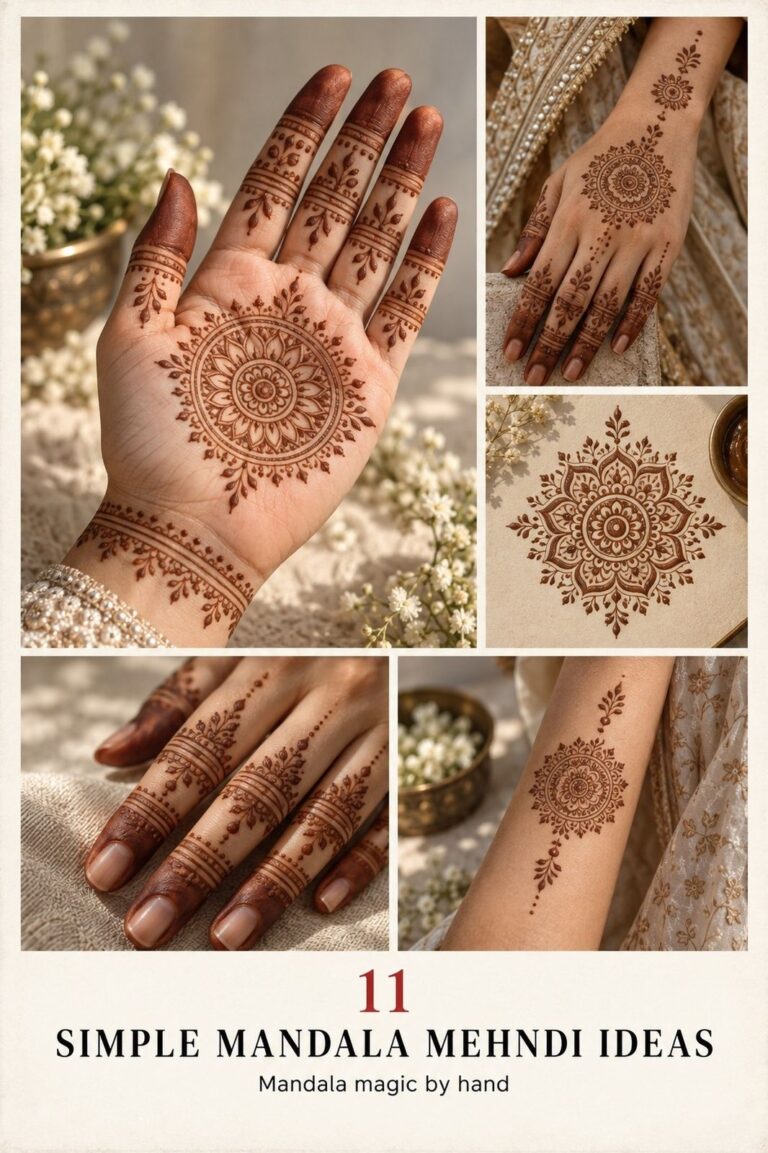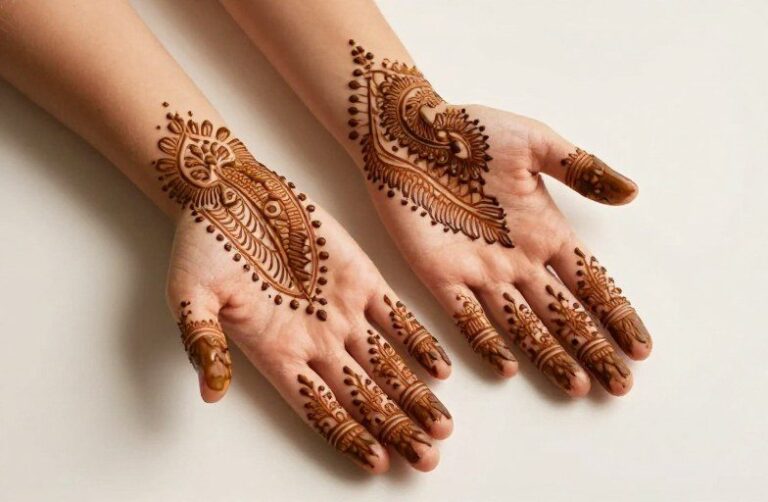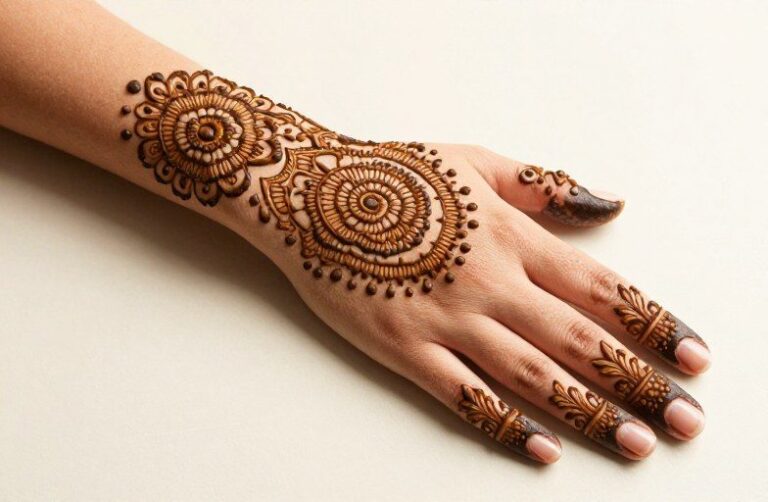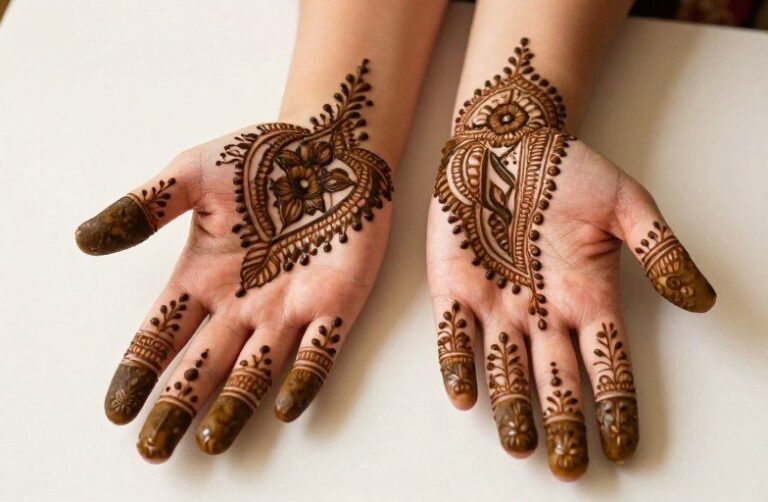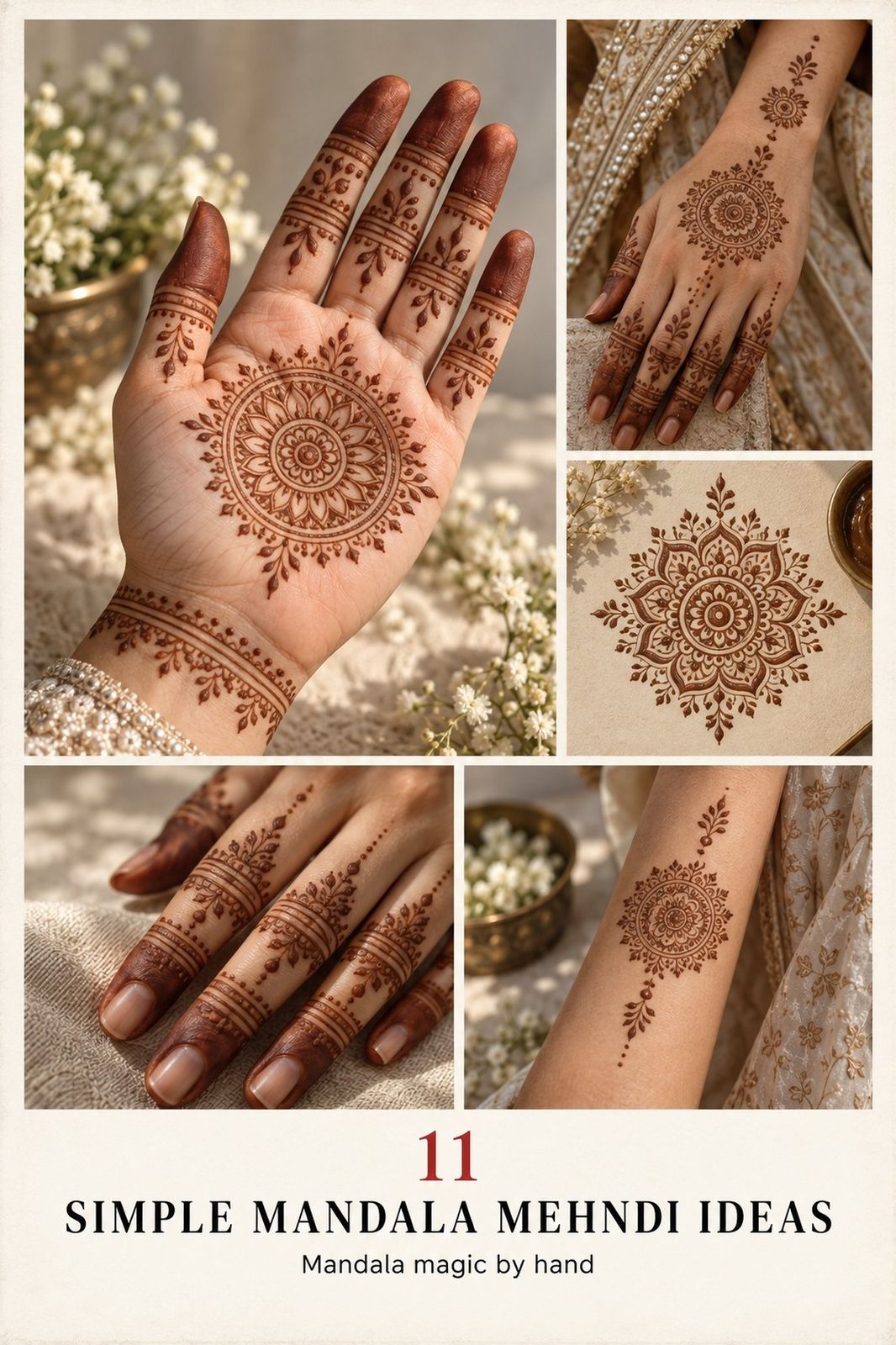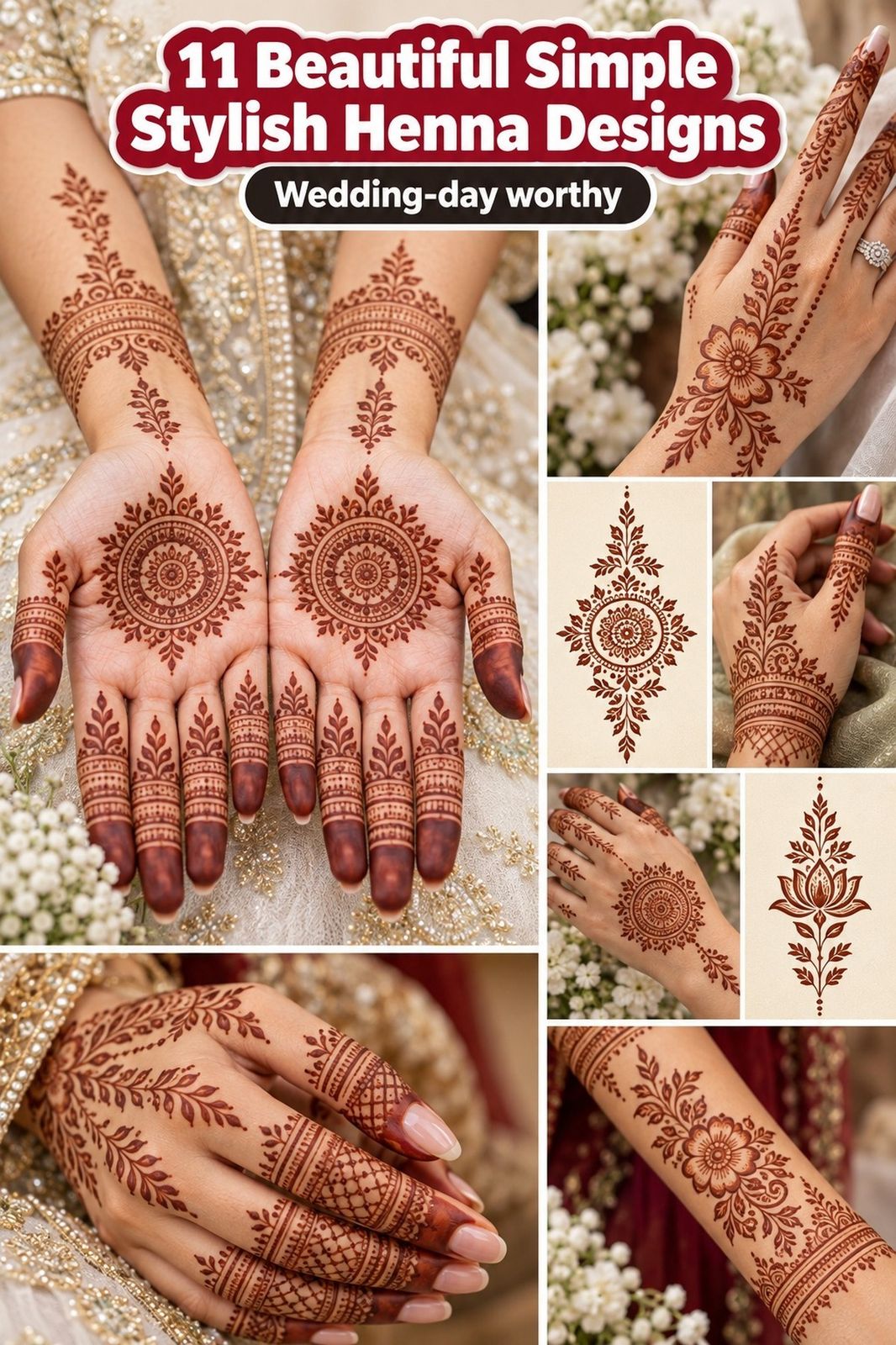

The darkest henna stains come from high-quality, fresh paste left on the skin for 6-12 hours, kept warm and slightly moist, then protected from water for the first 24 hours. Skip the lemon-sugar tricks and black “henna” warnings you’ve seen online, this guide covers what actually moves the needle on color depth.
Common Mistakes
Most people sabotage their henna color before the paste even touches skin. Understanding where the process breaks down helps you avoid the usual pitfalls.
Using Old or Pre-Mixed Paste
Henna powder contains lawsone, the dye molecule that binds to keratin in your skin. Once mixed with liquid, lawsone releases and begins degrading within about 24-48 hours at room temperature. Pre-made cones from craft stores or street vendors often sit for weeks. The paste smells like hay or tea when fresh; a chemical or rotten smell means it’s dead or adulterated. For the darkest stain, mix your own from body-art quality (BAQ) powder, Rajasthani or Jamila varieties are widely trusted, or source from a reputable supplier who mixes fresh weekly and refrigerates.
Scrubbing and Oiling Before Application
Exfoliation seems logical for “prepping” the skin, but fresh henna needs intact skin cells to bind to. Aggressive scrubbing removes the very top layer where the stain develops. Similarly, applying oils or lotions before henna creates a barrier. The best prep is simple: wash with plain soap, no moisturizer, and let the skin rest completely dry for 30 minutes.
- Don’t apply to freshly sunburned or peeling skin, no intact keratin to grab
- Avoid “black henna” with PPD (para-phenylenediamine); it stains fast and dark but causes chemical burns and permanent scarring
- Don’t remove paste with water; scrape dry and let the stain oxidize
Realistic Expectations
Henna is not a tattoo machine depositing ink at consistent depth. It’s a surface stain that penetrates only the stratum corneum, the dead outer layer of skin. This fundamental limit shapes everything about color development.
Why Your Body Part Matters
Palms and soles stain darkest because the skin there is thickest in keratinized layers. Backs of hands, wrists, and ankles give medium results. Upper arms, backs, and thighs yield lighter, shorter-lasting stains. The same paste, same artist, same aftercare, different body parts, different outcomes. Expect burnt orange to deep mahogany on hands, lighter terracotta on arms, and faint peach on torso skin.
How Long the Stain Actually Lasts
Peak color arrives 48-72 hours after paste removal, not immediately. The stain then fades progressively as skin naturally exfoliates. Palms: 1-3 weeks. Backs of hands: 7-14 days. Arms and legs: 5-10 days. Torso: 3-7 days. Frequent hand-washing, dish soap, chlorine, and exfoliating products accelerate fading. This isn’t failure, it’s biology.
The Direct Answer
Here’s the stackable technique that produces reliably dark results across different skin types and body placements.
Application and Timing
Apply paste thick enough that you cannot see skin through it, thin lines dry too fast and deposit less lawsone. Leave paste on a minimum of 4 hours; 6-8 hours is the sweet spot for deep color. Overnight (8-12 hours) works well if you can protect the design during sleep. Don’t let the paste dry to a hard crackling shell and fall off prematurely, that ends the dye release early. A light seal of lemon juice and sugar, applied once the paste has partially dried, keeps it flexible and in contact with skin longer. Some wrap loosely with medical tape or tissue, though this risks smudging detailed work.
Heat and Moisture During Development
Warm skin accepts lawsone more readily. A gentle heat source, a warm (not hot) rice bag held nearby, or simply keeping the limb covered under a blanket, helps dye penetration. The paste should stay slightly tacky, not bone-dry. After scraping off dried paste with a butter knife or card edge, avoid water for the first 24 hours. The stain needs time to oxidize and darken; water interrupts this chemical process. Some apply a thin layer of natural oil (coconut, olive) after the first day to protect from water exposure during showers.
- Mix paste with lemon juice or strong tea for acidity that releases lawsone
- Add a teaspoon of sugar per 25g powder to improve paste consistency and adhesion
- Scrape, don’t wash; then keep the area dry and warm
Pain & Comfort
Henna application is painless, no needles, no breaking of skin. The sensation is cool, slightly gritty paste being squeezed from a cone or applied with a toothpick. Some people feel mild tingling from the lemon juice acidity, especially on sensitive skin or minor cuts. This shouldn’t burn; burning indicates PPD-adulterated paste, which should be removed immediately.
Discomfort comes during the waiting phase. Thick paste on hands makes normal functioning awkward. Sleeping with wrapped limbs requires planning. The lemon-sugar seal can feel sticky. These are trade-offs for color depth, not physical suffering. Compared to machine tattooing, there’s no comparison, henna is entirely surface-level.
Healing Timeline
Henna doesn’t “heal” in the tattoo sense because there’s no wound. But the color development follows a predictable schedule that people often misread as failure.
The First 48 Hours
Immediately after paste removal, the stain appears light orange or yellowish. This alarms first-timers who expected instant darkness. The color deepens through oxidation exposure to air. By 24 hours, it shifts to pumpkin orange. By 48-72 hours, it reaches peak depth, reddish-brown to near-black on palms, depending on your skin chemistry. Patience is mandatory; premature judgment leads to over-application or harmful attempts to darken.
Days 3 Through Fade
The stain remains stable at peak color for about 2-4 days, then gradually lightens. The pattern becomes less defined as individual skin cells slough off. There’s no touch-up option as with permanent tattoo, once the paste session ends, the stain is set. Some artists offer “henna freckles” or small refresher designs, but the original cannot be intensified after the fact.
What to Expect Step by Step
Knowing the full sequence prevents the anxiety that leads to counterproductive interventions.
Before Your Appointment
Shower and exfoliate gently 24 hours prior, not the day of. Avoid lotions, sunless tanner, or makeup on the target area. Wear loose, dark clothing that you don’t mind staining, henna transfers easily before it sets. If doing palms, arrange help with phone use, eating, and bathroom needs during the setting period.
During and After
The artist applies paste in 15-45 minutes depending on complexity. You’ll sit still while it dries partially (15-30 minutes), then receive the seal if used. The long wait begins. Scrape off dry paste with a card edge, flicking into trash, not down drains, where it hardens and clogs. The stain looks disappointing at first. Trust the process. Keep dry, stay warm, and wait two full days before assessing the final result.
- Day 0: Paste applied, waiting period
- Day 1: Paste removed, light orange stain visible
- Day 2-3: Color deepens to final tone
- Day 4-14: Gradual fading begins
Before You Decide
Henna offers a commitment-free way to wear body art, but the trade-off is impermanence and variability. If you’re considering henna as a trial for a permanent tattoo, understand that the color, placement, and visual weight differ substantially. Machine tattoos sit in the dermis, holding crisp edges and saturated black indefinitely. Henna lives on the surface, blurring slightly at edges, never achieving true black, and disappearing within weeks.
The darkest possible henna requires effort: sourcing quality materials, blocking out hours for setting, accepting functional limitations during development, and resisting the urge to wash or judge too early. For many, the ritual itself is part of the appeal. For others, the unpredictability frustrates. Neither perspective is wrong, just know which one you bring to the experience.
Frequently Asked Questions
Can I use hair henna for body art to get darker stains?
Hair henna often contains additives, metallic salts, or lower dye content that can irritate skin and produce weak color. Body-art quality (BAQ) henna is sifted finer, tested for purity, and contains higher lawsone concentration for safer, darker results.
Why did my henna turn out orange instead of dark brown?
The stain oxidizes over 48 hours from orange to deeper brown. If it stayed orange, the paste was likely old, the setting time too short, or the skin area naturally resistant. Palms and soles always develop darkest due to thicker keratin layers.
Does leaving henna on for 24 hours make it darker than 8 hours?
Beyond 8-12 hours, you hit diminishing returns. The lawsone has largely exhausted itself and bound to available keratin. Extended wear increases smudging risk and skin irritation without meaningful color gain.
Is it safe to get henna done at a beach boardwalk or festival?
Be cautious. Ask about ingredients; refuse anything called “black henna” containing PPD. Fresh paste should smell earthy, not chemical. Artist cones should be refrigerated or recently mixed, not sitting in sun for days.