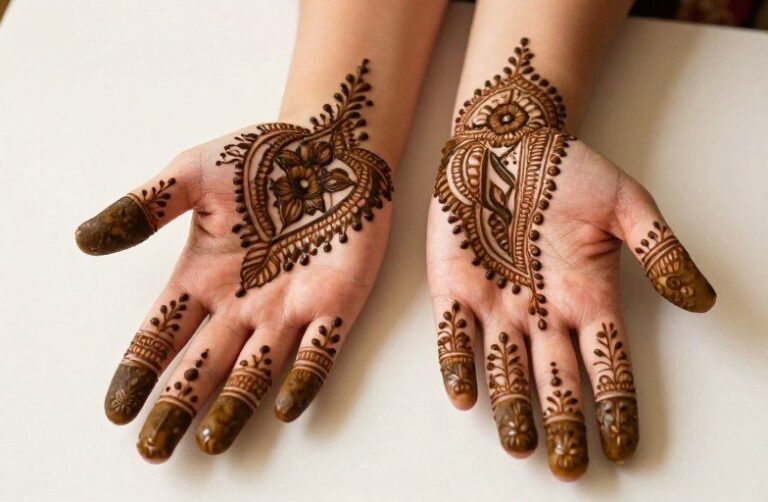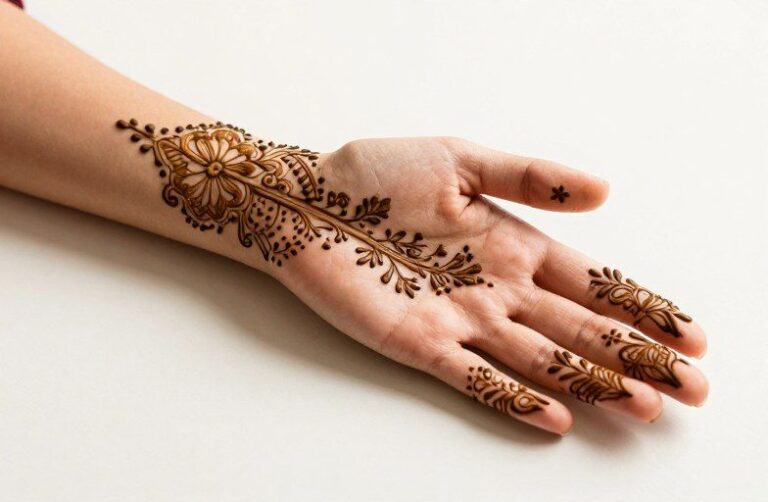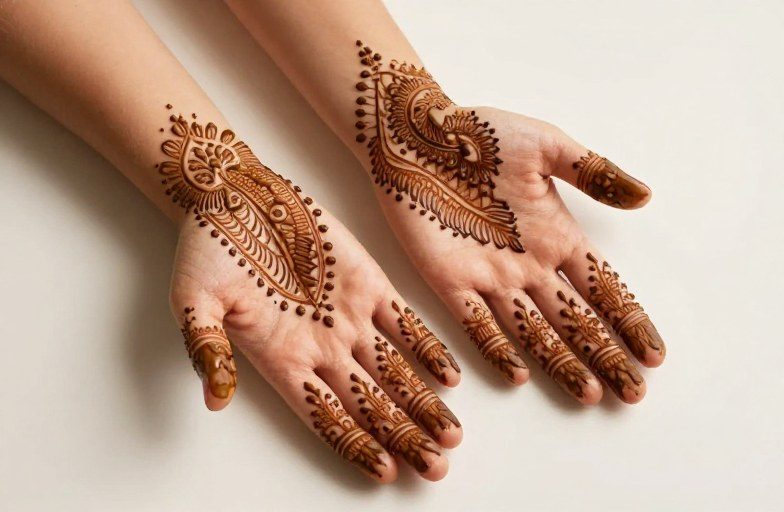

Creating your own henna tattoo at home requires mixing natural henna powder with lemon juice and essential oils into a smooth paste, letting it rest 6-24 hours for dye release, then applying it through a cone or bottle in thin lines on clean, exfoliated skin. The paste dries, cracks, and flakes off naturally, leaving behind a stain that deepens from orange to brown over 48 hours. Unlike permanent tattoos, henna sits on the skin’s surface and causes no needle puncture, making it painless and temporary.
What to Expect Step by Step
Mixing the Paste
Start with body-art quality henna powder, sifted fine to remove plant debris. Mix roughly 25 grams of powder with 1/4 cup lemon juice, acidic liquid releases the lawsone dye molecule. Add a few drops of cajeput or tea tree oil for better stain development; lavender works for sensitive skin. The consistency should resemble toothpaste, thick enough to hold a line but fluid enough to squeeze smoothly. Cover the bowl with plastic wrap and let it sit at room temperature. Dye release happens anywhere from 6 hours to overnight depending on temperature and powder freshness. Test a dot on your palm, when it stains orange in 5 minutes, the paste is ready.
Application and Drying
Transfer the paste into a mylar cone with a tiny snip at the tip, or use a squeeze bottle with a fine metal tip. Work on clean skin washed with soap but not lotion, oils block stain absorption. Exfoliating lightly 24 hours beforehand helps. Apply in continuous motions; henna lines can’t be “erased” like pen on paper. Let the paste dry until it cracks, typically 30-45 minutes. For maximum darkness, leave the paste on 4-8 hours or overnight. Scrape off dried chunks rather than washing with water, which halts the oxidation process that darkens the stain.
Aftercare Essentials
The First 48 Hours
After scraping off the dried paste, you’ll see a bright orange stain that looks almost neon. This is normal. The color oxidizes and deepens to reddish-brown or mahogany over two days. During this window, avoid water exposure as much as possible, skip long showers, swimming, and dishwashing without gloves. A thin layer of sugar-lemon sealant (dissolved sugar in lemon juice, dabbed on) helps the paste stick longer during the initial drying phase. Some people wrap the design in toilet paper and medical tape overnight, though this risks smudging if the paste isn’t fully dry.
Extending the Stain
Once developed, the stain lives in the dead skin layer that naturally exfoliates. Moisturizing with natural oils, coconut, olive, or henna aftercare balm, slows this shedding. Chlorinated pools, hot tubs, and harsh soaps fade the stain faster. Hands and feet stain darkest and last longest because the skin is thicker and more keratinized. Inner arms, backs, and chests fade quicker, often in under a week. A fresh coat of henna can be applied over faded areas, though building up layers doesn’t always deepen the color beyond the skin’s natural limit.
Healing Timeline
Henna doesn’t wound the skin, so there’s no healing in the tattoo sense, no scabbing, no peeling, no ink settling into dermis. The “timeline” is really about color development and fade. Hour 0-1: paste dries, cracks, may itch slightly from skin tightening. Hours 1-8: paste sits; longer contact generally means darker stain. Hours 8-24: scraped stain appears orange, sometimes disappointing first-timers. Days 1-2: oxidation peaks, color shifts to brown. Days 3-7: maximum saturation visible. Days 7-14: gradual fade begins, faster on thin skin, slower on palms and soles. By day 21, most body stains have disappeared entirely.
Realistic Expectations
Color and Placement Realities
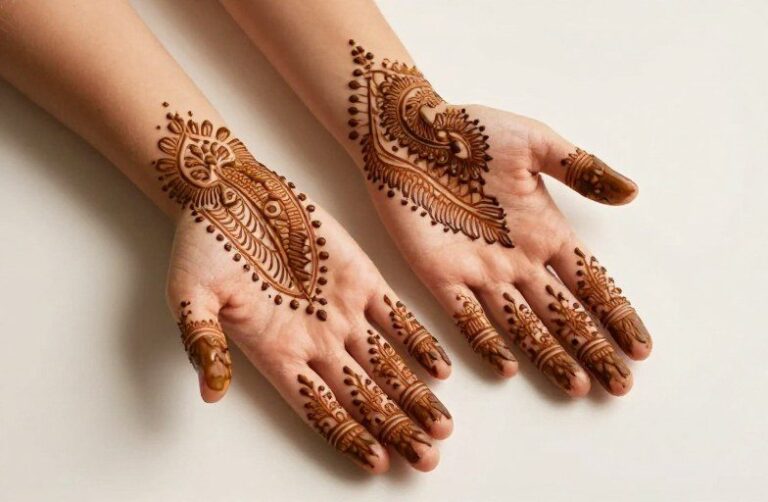
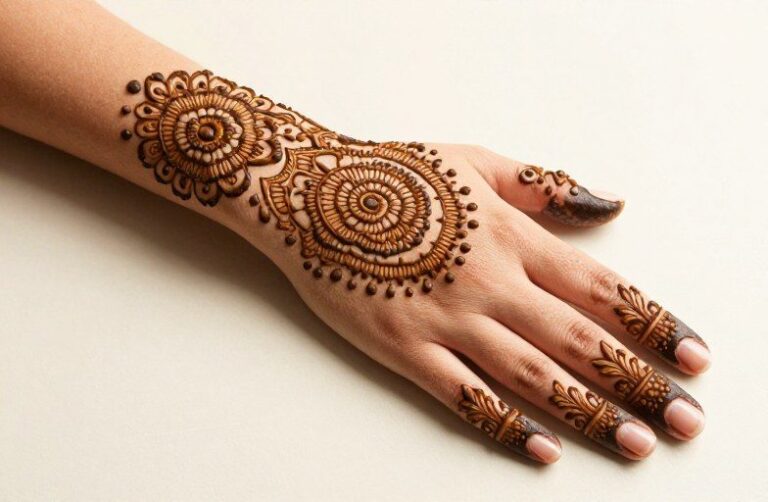
Natural henna stains brown to reddish-brown, never black. “Black henna” contains paraphenylenediamine (PPD), a hair dye chemical that can cause blistering, scarring, and lifelong sensitization, avoid it entirely. The stain intensity varies by individual skin chemistry, body temperature, and placement. Palms and soles of feet take the darkest stain; upper arms and backs often develop lighter, peachier tones. Freckled or very fair skin sometimes shows less contrast than deeper skin tones. Each application is somewhat unpredictable, which is part of the medium’s character.
Design Complexity
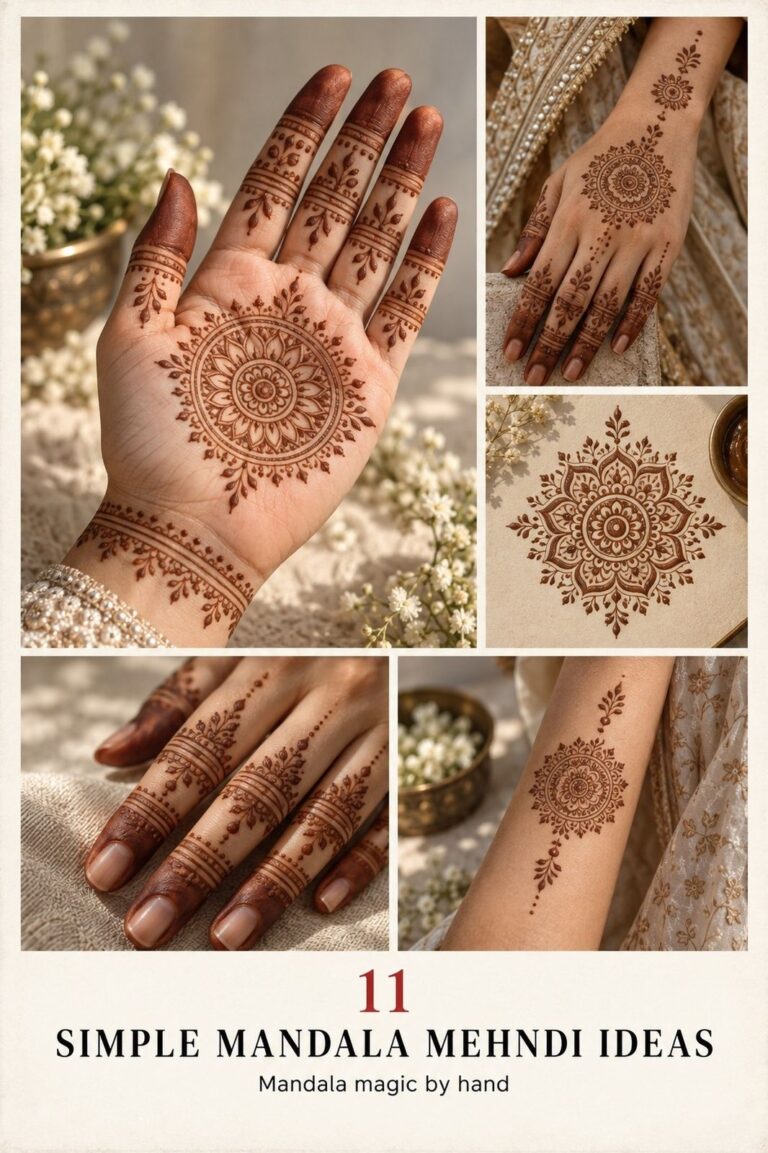
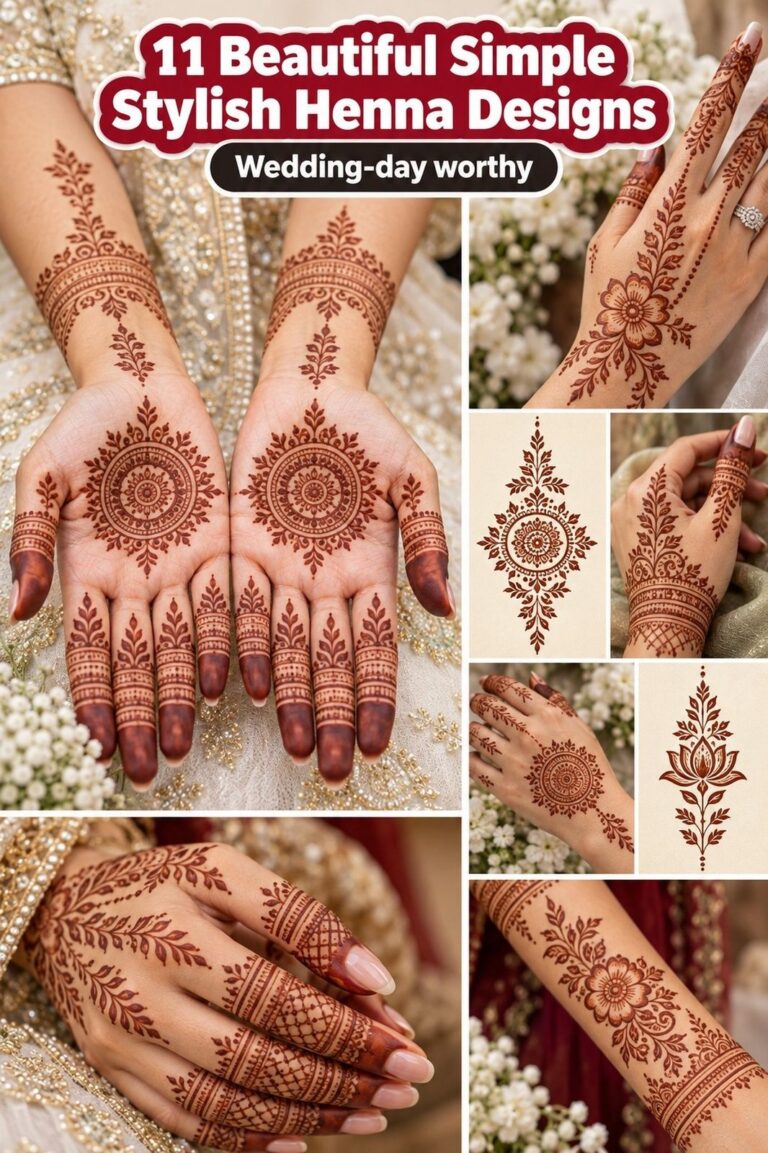
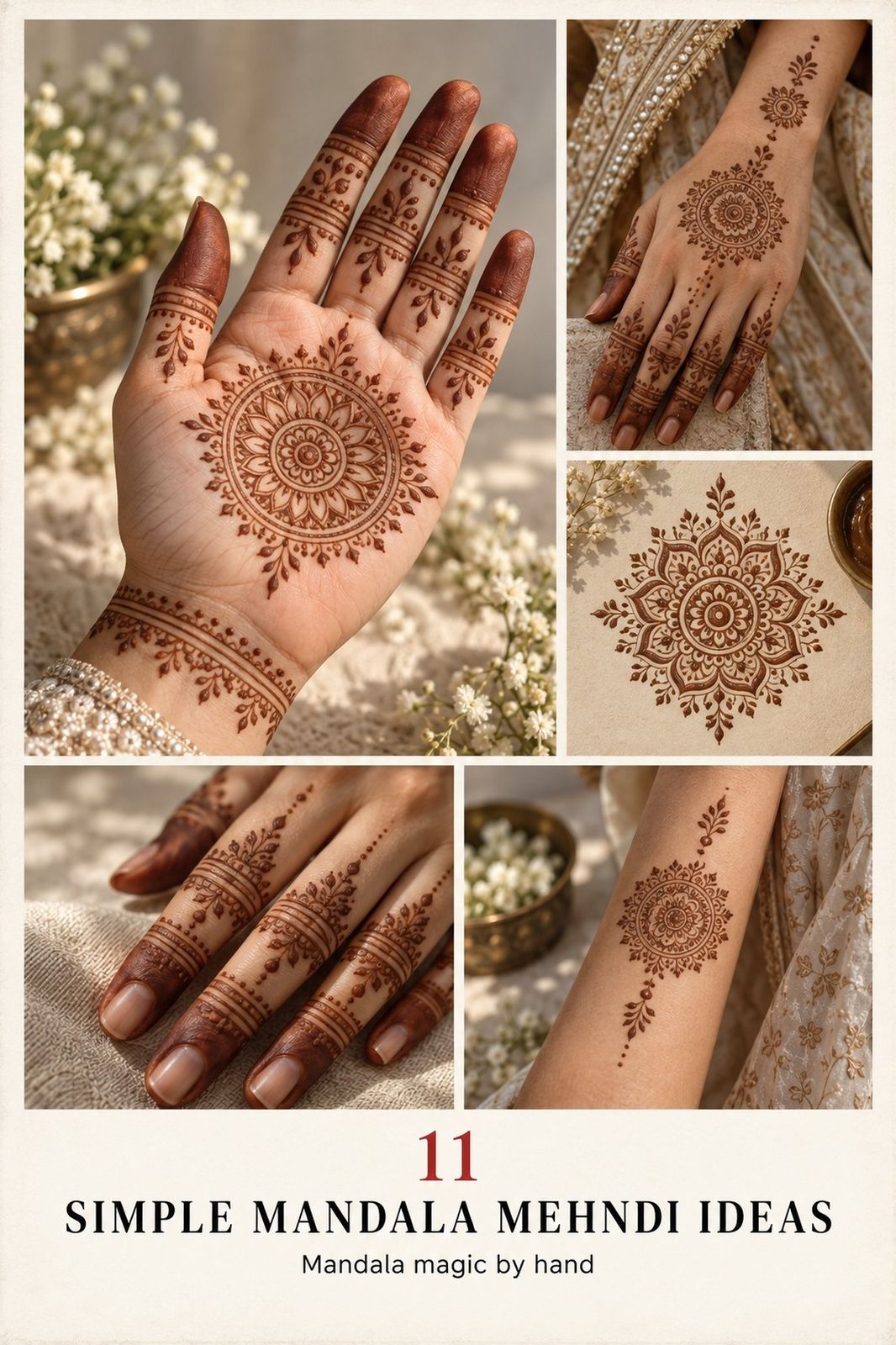
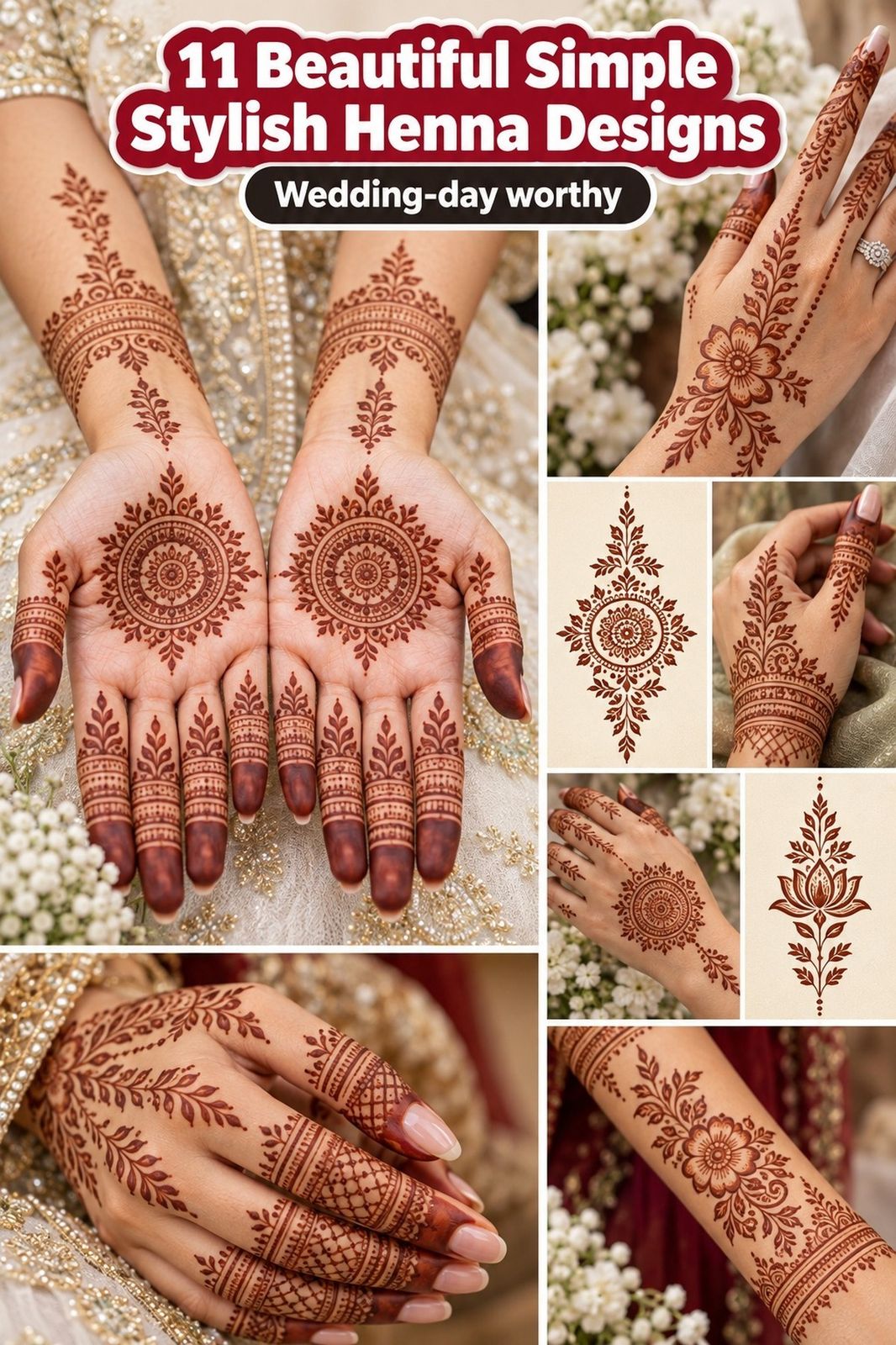
Intricate bridal-style patterns require years of practice. Beginners should start with simple geometric borders, vines, or small mandala centers. Line quality depends on paste consistency and pressure control, too thin and lines blob; too thick and they crack. Henna flows differently than pen ink; it spreads slightly as it contacts skin warmth. Practice on paper, then glass, then yourself. Symmetry is harder than it looks; many experienced artists work freehand rather than with stencils, which can look rigid.
Common Mistakes
Paste Problems
Runny paste bleeds into fine lines, creating blurry edges. Over-mixed paste with too much liquid separates and loses staining power. Old powder, stored improperly or past 12 months, may never release dye. Freezing mixed paste stops the dye release process, thawed paste stains weaker. Adding coffee, tea, or wine to the mix is folk wisdom with no actual benefit; lawsone needs acid and time, not tannins from beverages.
Application Errors
- Applying over moisturizer, sunscreen, or self-tanner creates patchy, resisted areas
- Moving too slowly causes dots where the cone pauses, breaking line flow
- Touching wet paste with the opposite hand smears the design permanently
- Washing off too early, under 4 hours, yields faint, disappointing stains
- Expecting mirror-image symmetry without marking guidelines first
The Direct Answer
Here’s the stripped-down process: Buy fresh, body-art quality henna powder from a reputable supplier, check harvest dates when possible. Mix 25g powder with 1/4 cup lemon juice and 10 drops essential oil until smooth. Cover, wait 6-24 hours for dye release. Fill a cone, apply to clean dry skin in your chosen design. Let dry 30-45 minutes, leave on 4-8 hours minimum, scrape off without water. Avoid water for 24 hours if possible. The stain develops over 48 hours and lasts 1-3 weeks depending on placement and care. That’s the core of it. Everything else is refinement.
Key Takeaways
- Natural henna is safe, painless, and temporary; “black henna” with PPD is not
- Paste preparation and patience (6-24 hours dye release, 4-8 hours skin contact) determine stain quality more than any secret ingredient
- Palms and feet stain darkest and longest; thin-skinned areas fade faster
- Aftercare is minimal but matters: avoid water initially, moisturize later, skip harsh chemicals
- Start simple, expect variation, and enjoy the impermanence, henna’s temporary nature is the point, not a flaw
Frequently Asked Questions
Can I use henna from a grocery store for body art?
Grocery store henna is often old, poorly sifted, or mixed with additives for hair dye. Body-art quality henna from specialized suppliers gives fresher powder, finer texture, and reliable dye release. The extra cost is worth avoiding gritty paste that clogs cones and stains weakly.
Why did my henna turn out orange instead of brown?
Freshly scraped henna always looks orange first. The lawsone molecule needs 24-48 hours to fully oxidize and darken to brown. If it stays orange, the paste may have been washed off too soon, the powder was stale, or the skin chemistry in that placement doesn’t take stain deeply.
How do I remove a henna stain faster if I don’t like it?
You can’t remove it instantly, but exfoliation speeds fading. Use a scrub, swim in chlorinated pools, or apply gentle alpha-hydroxy acid products. Avoid harsh bleaching agents that damage skin. Most unwanted stains fade significantly within a week on their own.
Is it safe to do henna during pregnancy or on children?
Natural henna without additives is generally considered low-risk, but pregnancy can alter skin sensitivity and stain uptake. Some artists avoid application in the first trimester. For children under six, the main concern is keeping paste out of mouths and ensuring they don’t sit still long enough to smudge wet designs. Always patch-test sensitive skin.