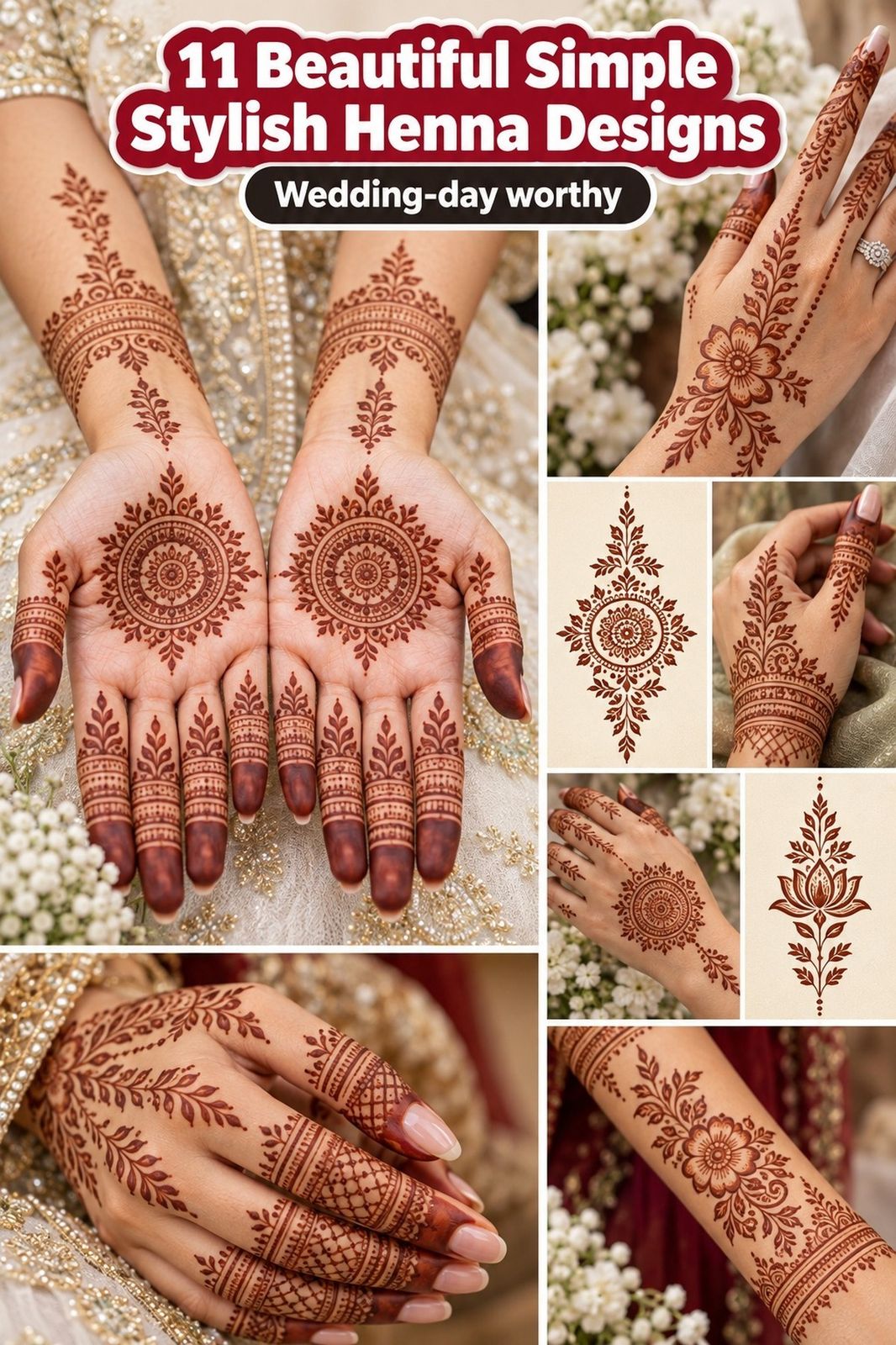
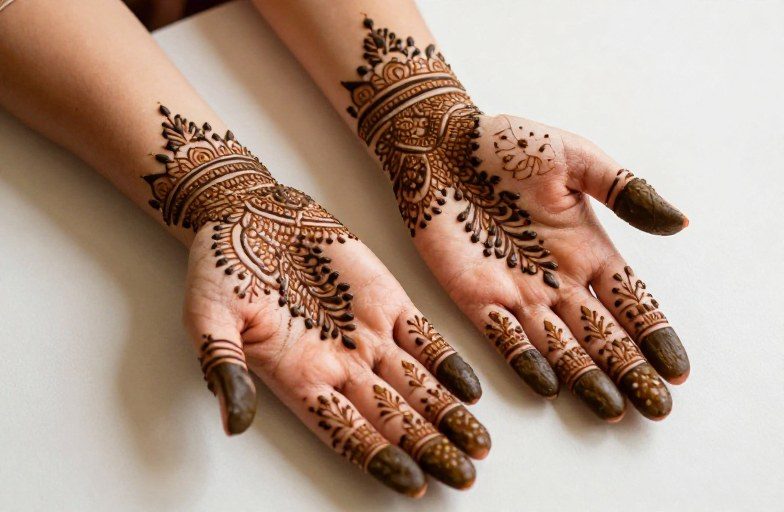
Permanent dulhan mehndi tattoos translate the intricate, celebratory art of bridal henna into ink that lasts a lifetime. Unlike temporary paste, these designs require careful planning around how fine lines age, where detail holds up, and which traditional motifs translate best to needlework. If you are honoring heritage or drawn to the visual language of South Asian bridal art, understanding the technical realities helps you get something that stays beautiful.
Standout Design Ideas
Full Hand and Finger Extensions
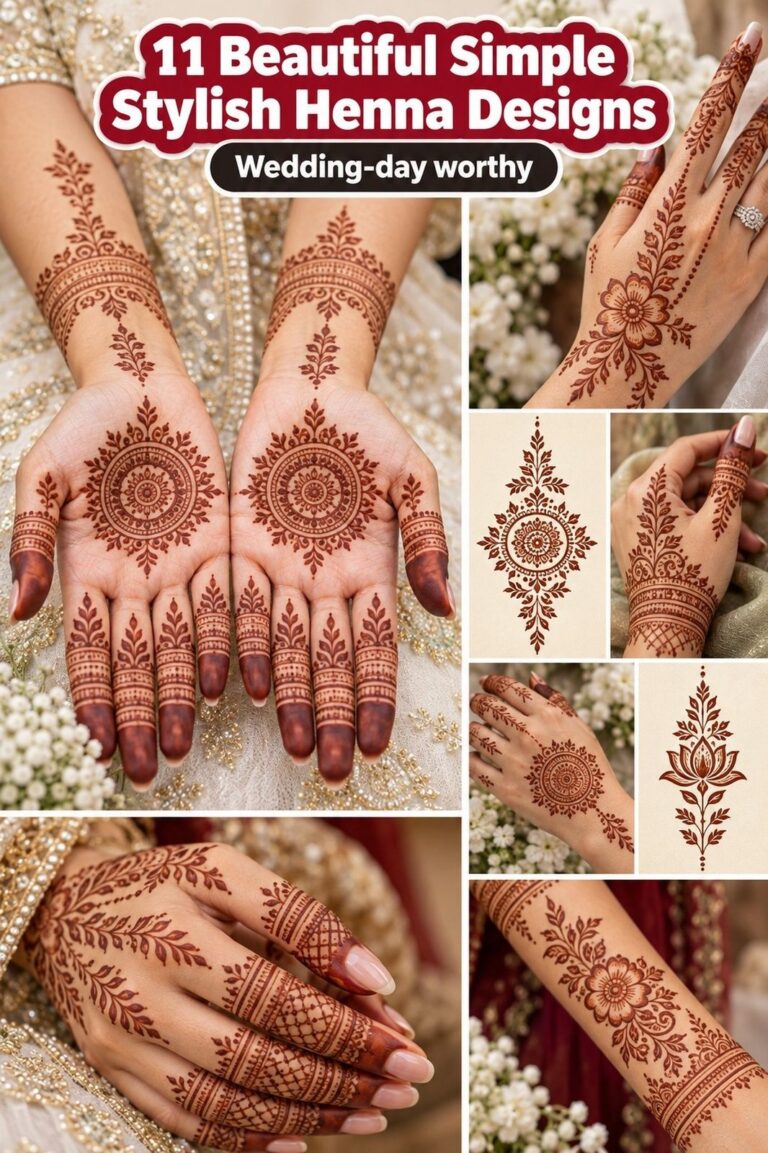
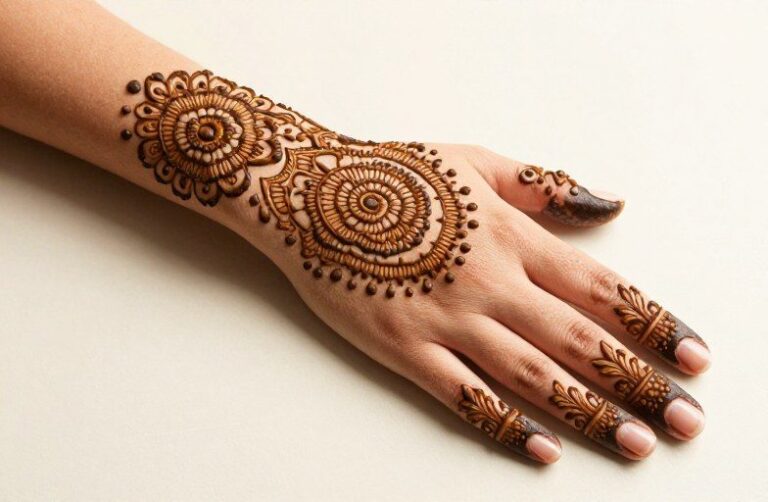
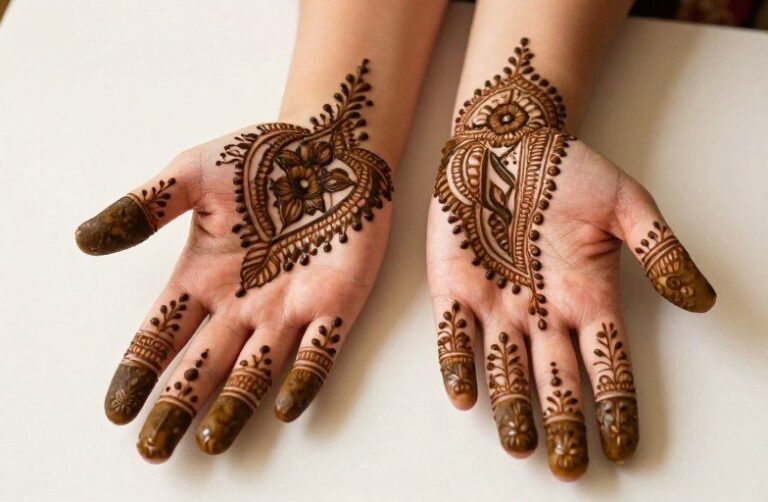
The classic dulhan look covers the back of the hand to the fingertips with dense, interconnected patterns. In permanent form, this demands strategic spacing. Too tight, and five years of natural spread blur individual elements into mud. Better to choose a “half-hand” approach: dense palm-side work with cleaner, more open patterning across the knuckles. Finger extensions, those delicate lines running from the base of the finger to the nail, work beautifully as thin single-needle lines but need touch-ups every few years as hands take constant abuse.
Floral Mandala Centers
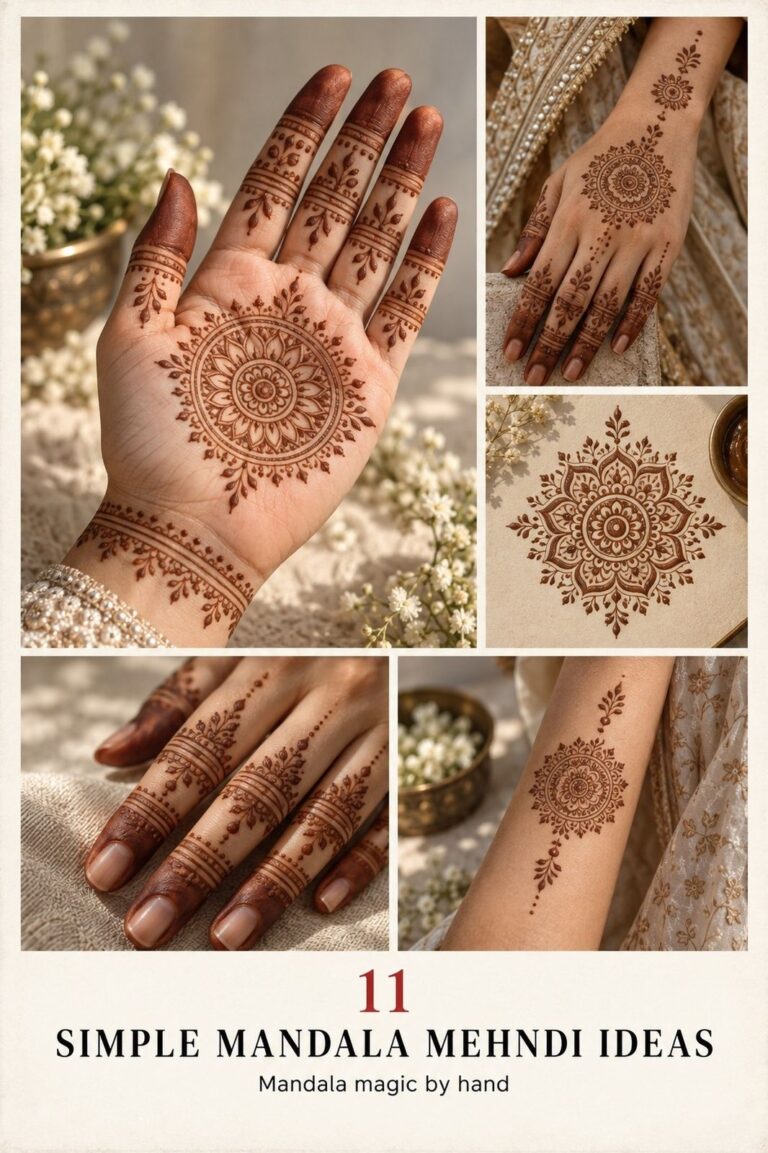
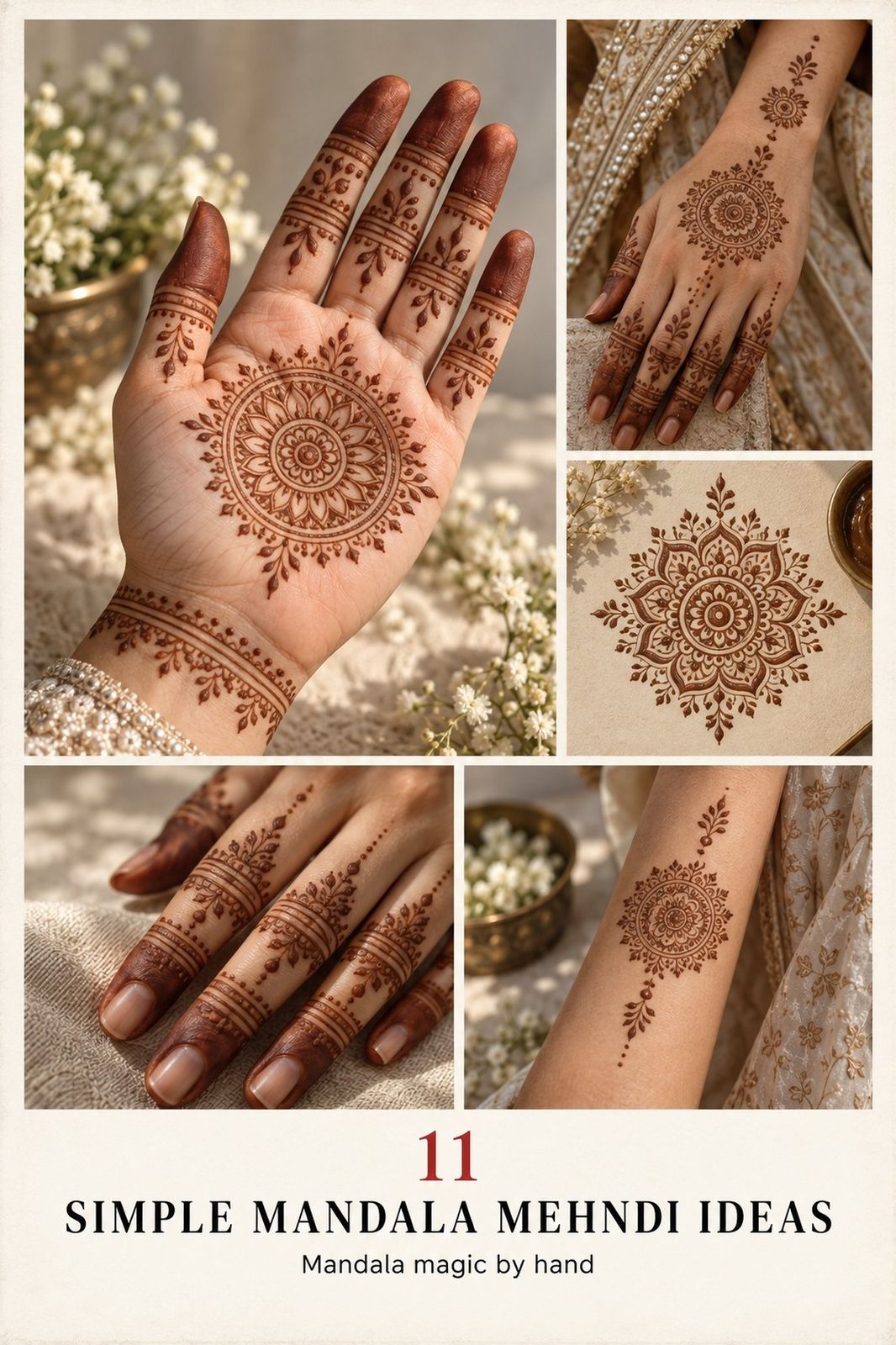
A central mandala on the back of the hand, ringed by radiating vines and paisley, gives the bridal feel without the full-coverage commitment. The mandala structure ages well because the circular format disguises minor spreading. Ask for the center to be slightly bolder than the outer rings; that contrast survives longer as the finer outer details soften.
Related reading: dulhan henna designs | henna Indian wedding meaning | Rajasthani mehndi tattoo ideas | Indian mehndi tattoo designs
Motif Selection That Lasts
- Paisley (mango/boteh) motifs: classic, recognizable, hold line weight well
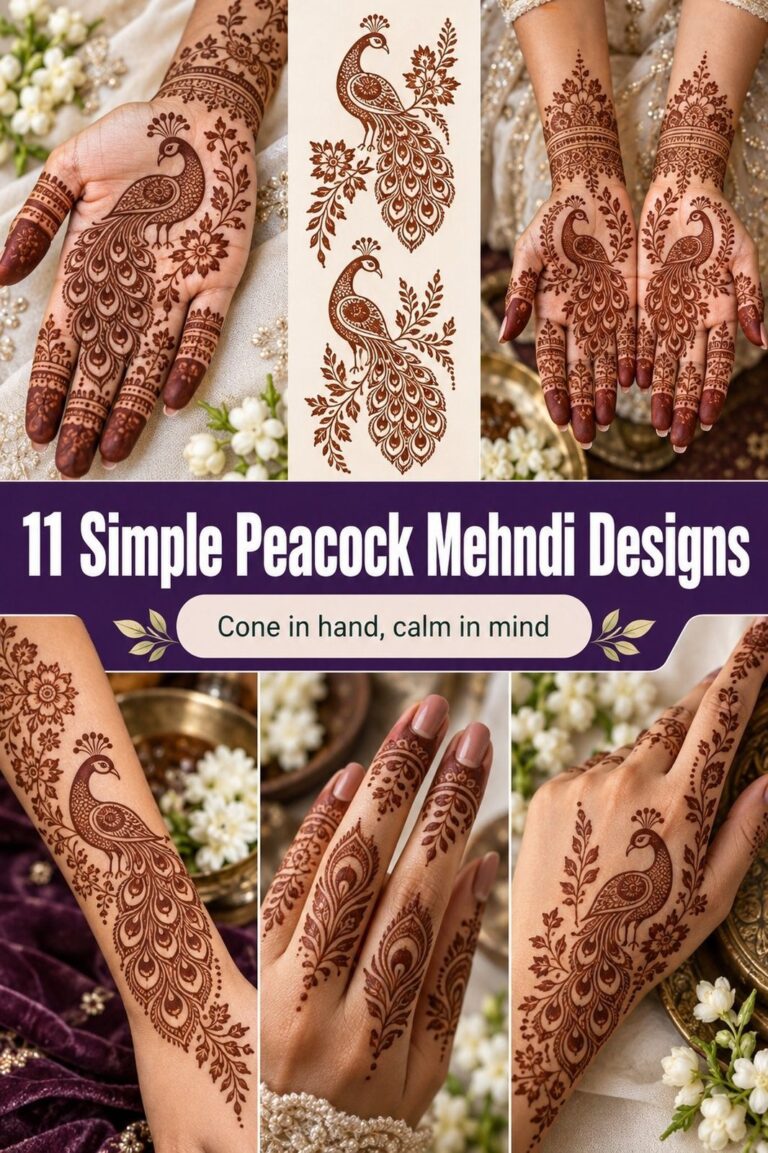
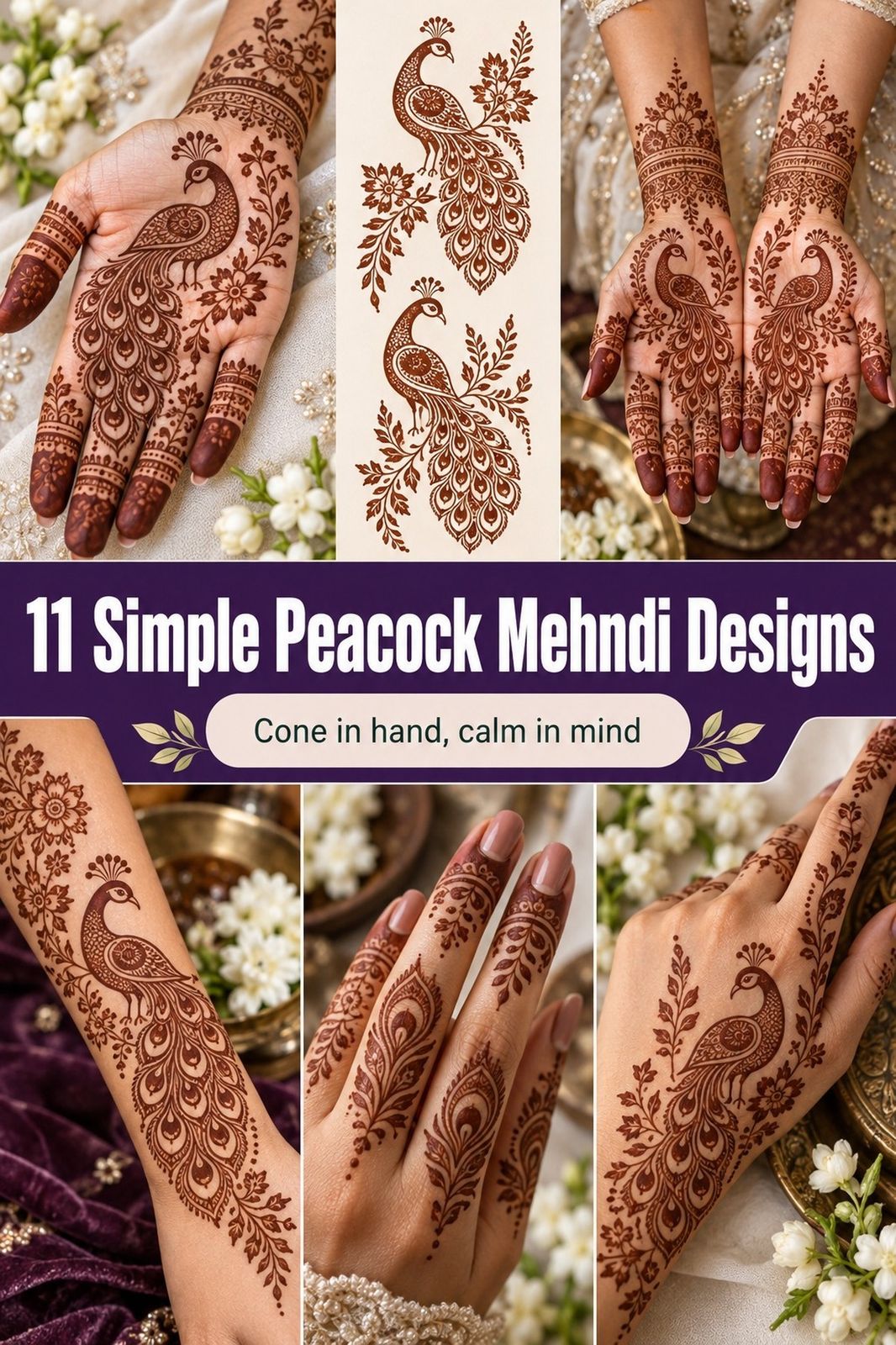
- Peacocks and lotus flowers: symbolic weight, but need skilled shading to avoid looking muddy
- Geometric lattice (jaali) patterns: excellent for filler, age better than organic curves
- Hidden initials or dates woven into vine work: personal without being literal
Best Placements
Hands and Feet
These are the traditional dulhan locations, but they are also the hardest to maintain. Palm-side hand tattoos fade fastest due to constant friction and regeneration. The back of the hand lasts longer. Feet, specifically the tops and sides, hold ink reasonably well but hurt significantly more due to thin skin over bone. If you want the authentic bridal placement, plan for periodic refresh sessions every 3-5 years.
Alternative Locations That Honor the Aesthetic
Forearms, upper arms, and shoulder caps let you scale up the detail and enjoy it longer. A mehndi-style sleeve from elbow to wrist reads as bridal-inspired without the hand-tattoo visibility concerns. The upper back, centered between shoulder blades, accommodates a large mandala with the same ceremonial presence as a full hand piece. Ribs and sternum work for flowing vine designs that mimic the way henna trails across the torso in some regional traditions.
For First-Timers
Testing the Waters
Mehndi-inspired designs are detail-dense, which makes them unforgiving of poor application. Start with a smaller test piece, perhaps a single mandala on the wrist or a vine band around the forearm, to understand how your skin takes fine line work. Darker skin tones should discuss ink options with the artist; some blacks heal ashier, which can muddy intricate patterns. Lighter skin shows the finest detail but also reveals blowouts more starkly.
Session Realities
The session length surprises people. A palm-sized dense mehndi design takes 3-4 hours minimum. Full hand coverage with finger extensions runs 6-8 hours, often split across two appointments. Numbing creams help but can alter skin texture, making the artist’s job harder. Expect to pay premium rates; this is not flash art, it requires steady, unhurried precision.
How to Personalize It
Regional Variation
Mehndi traditions vary enormously by geography. Rajasthani work tends toward geometric density with minimal negative space. Pakistani bridal styles often feature bolder, more open floral compositions. Arabic mehndi uses flowing, unconnected vines with significant skin showing through. Indo-Pakistani fusion incorporates figurative elements like bride-and-groom portraits or narrative scenes. Research the specific tradition you are honoring. Artists who know the difference can execute authentic pattern vocabulary rather than generic filler.
Integrating Non-Mehndi Elements
Some people choose to weave in personal symbolism: a constellation pattern within the jaali lattice, a meaningful word in Gurmukhi or Devanagari script tucked into vine curls, or a small animal motif representing family heritage. The key is keeping these additions in the same visual language. Line weight, density, and curve style should match the surrounding mehndi work or the piece fractures visually.
Popular Styles
Blackwork and Dotwork
Blackwork dominates dulhan-inspired tattoos for good reason: the solid black mimics henna’s oxidized stain most directly, and it ages with more dignity than color-dependent alternatives. Dotwork shading adds texture without the soft edges that blur over time. Some artists specialize in a stippled approach that replicates the slightly grainy quality of real henna paste on skin.
Specialized Techniques
White ink over blackwork creates a raised, scar-like effect that some find evocative of henna’s temporary nature, but white fades unpredictably and can yellow. It is a high-maintenance choice. Negative space techniques, where the skin itself forms the pattern against a blacked-out background, create dramatic contrast but require large, committed placements to read properly.
- Single needle fine line: maximum detail, shortest lifespan, needs touch-ups
- 3-5RL line work: standard for most mehndi replication, reasonable longevity
- Black and grey wash: for peacock or figurative elements within traditional patterning
- Ornamental fusion: combining mehndi vocabulary with Art Nouveau or geometric frameworks
Color Choices
Black Inks
Traditional henna ranges from orange-brown to near-black depending on oxidation time and body chemistry. Tattoo ink does not replicate this variation; you choose a fixed color. Pure black (carbon-based) heals coolest and most predictably. “Tribal black” or “jet black” formulations vary by brand, some heal slightly blue, others brown. Ask to see healed photos from your artist’s previous mehndi work.
Browns and Accents
Brown inks exist but heal unpredictably, often shifting orange or grey. If you want the warm henna tone, some artists mix custom brown-black blends, but these fade faster than straight black. Red accents, dotwork or small floral centers, can suggest the fresh-paste look, but red is among the most fade-prone and allergenic pigments. Any color beyond black should be discussed as a long-term commitment with refresh costs.
What to Remember
Healing a dense mehndi tattoo demands patience. The fine lines and dotwork create more total skin trauma than a bold traditional piece of the same size. Expect two weeks of careful aftercare: no soaking, no picking at scabs, no friction from gloves or tight sleeves. Sunscreen becomes non-negotiable; UV exposure degrades black ink fastest in the first year.
In many South Asian traditions, mehndi carries specific ritual significance: blessing, adornment, transition. Permanent adoption of this visual language deserves the same respect as any cultural borrowing. Research the tradition, credit the source, choose an artist who understands the pattern vocabulary rather than approximating it. The most meaningful dulhan-inspired tattoos come from genuine engagement with the art form, not surface aesthetic borrowing.
Finally, plan for the long arc. These designs are meant to be lived with, not just photographed fresh. The mandala that looks crisp at six months will soften at five years. Choose pattern density and line weight with that future in mind, budget for maintenance, and you will have something that honors both the tradition and your own permanence within it.
Frequently Asked Questions
How long does a bridal mehndi-style hand tattoo take to complete?
A palm-sized dense design runs 3-4 hours. Full hand coverage with finger extensions typically needs 6-8 hours, often split across two sessions to manage swelling and skin trauma.
Will fine line mehndi patterns blur or fade quickly on hands?
Hand tattoos fade faster than most placements due to constant use and regeneration. Fine lines on fingers may need touch-ups every 2-3 years; back-of-hand work lasts longer but still requires periodic refresh sessions.
Can all skin tones achieve the same detail level in mehndi-style tattoos?
Darker skin tones show fine detail beautifully but require experienced artists who understand how different blacks heal. Some inks heal ashier on melanin-rich skin; discuss specific pigment choices with your artist beforehand.
What is the best tattoo style to mimic real henna?
Blackwork with dotwork shading most closely mimics henna’s oxidized stain and ages most gracefully. Single needle fine line offers maximum detail but the shortest lifespan; 3-5RL line work offers a practical balance for most people.
Should I get color in my mehndi tattoo to match real henna’s brown tone?
Brown inks heal unpredictably, often shifting orange or grey. Most experienced artists recommend carbon-based black for reliability. If you want warmth, some artists offer custom brown-black blends, but expect faster fading and higher maintenance costs.