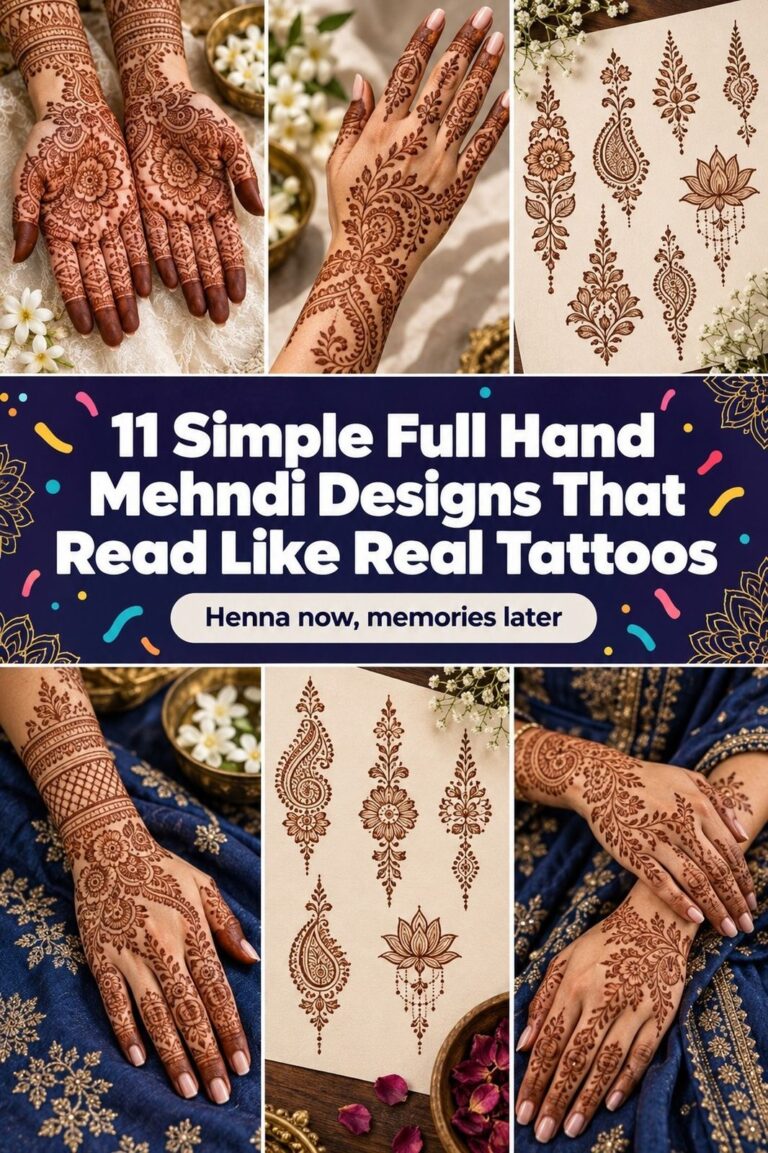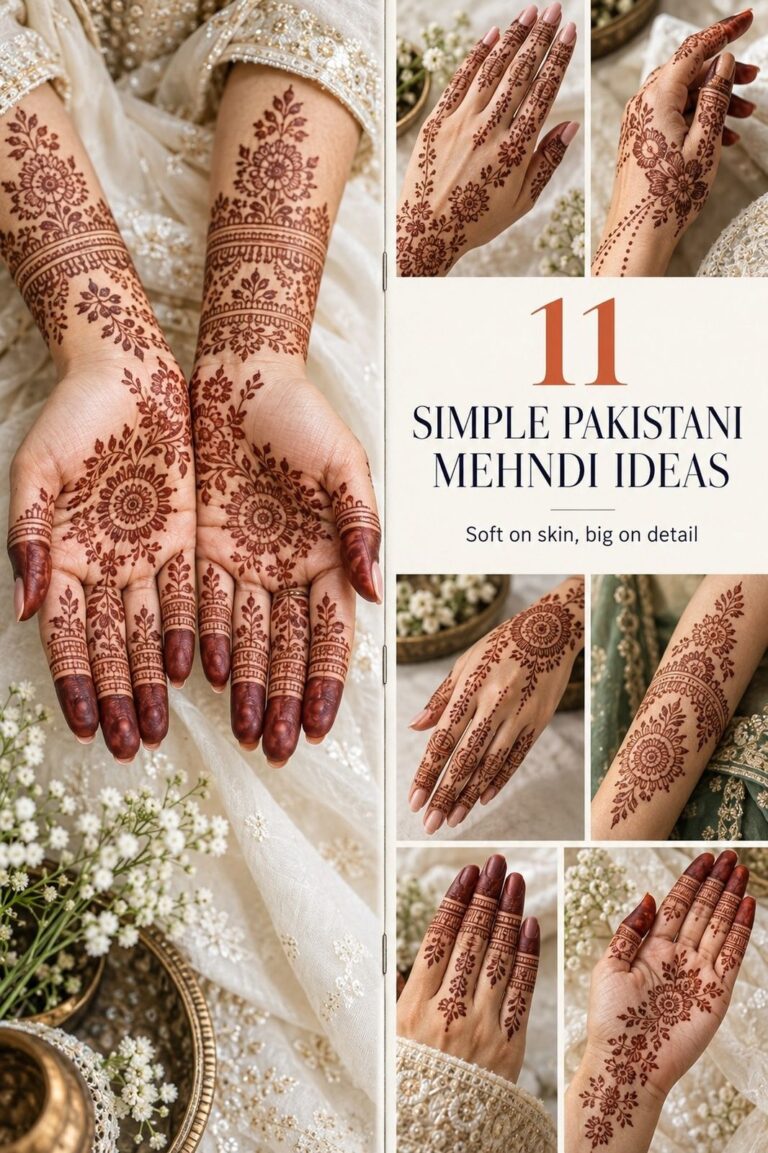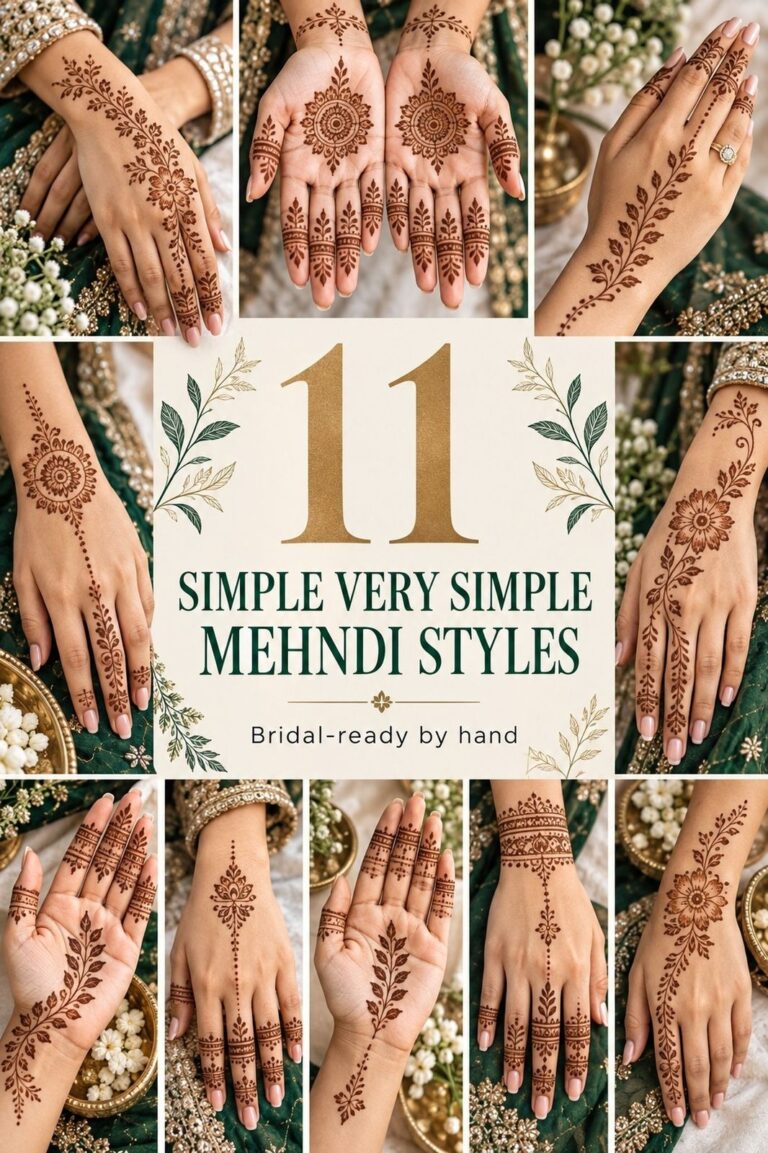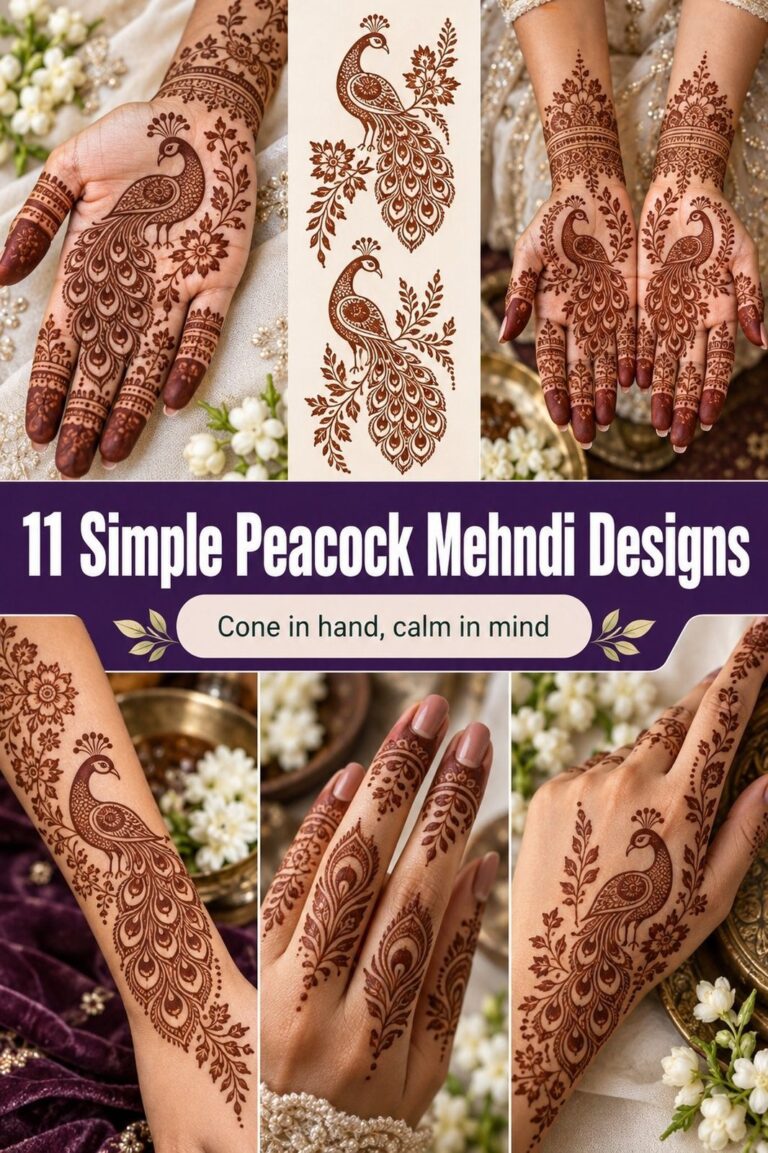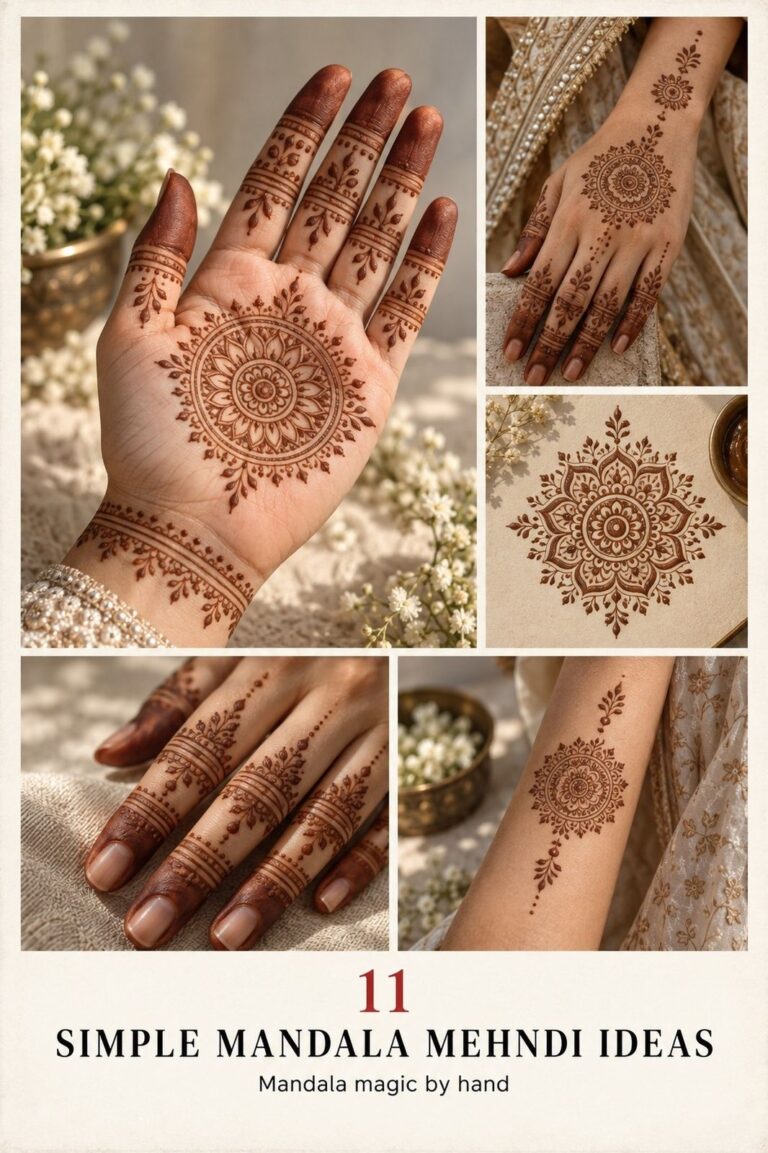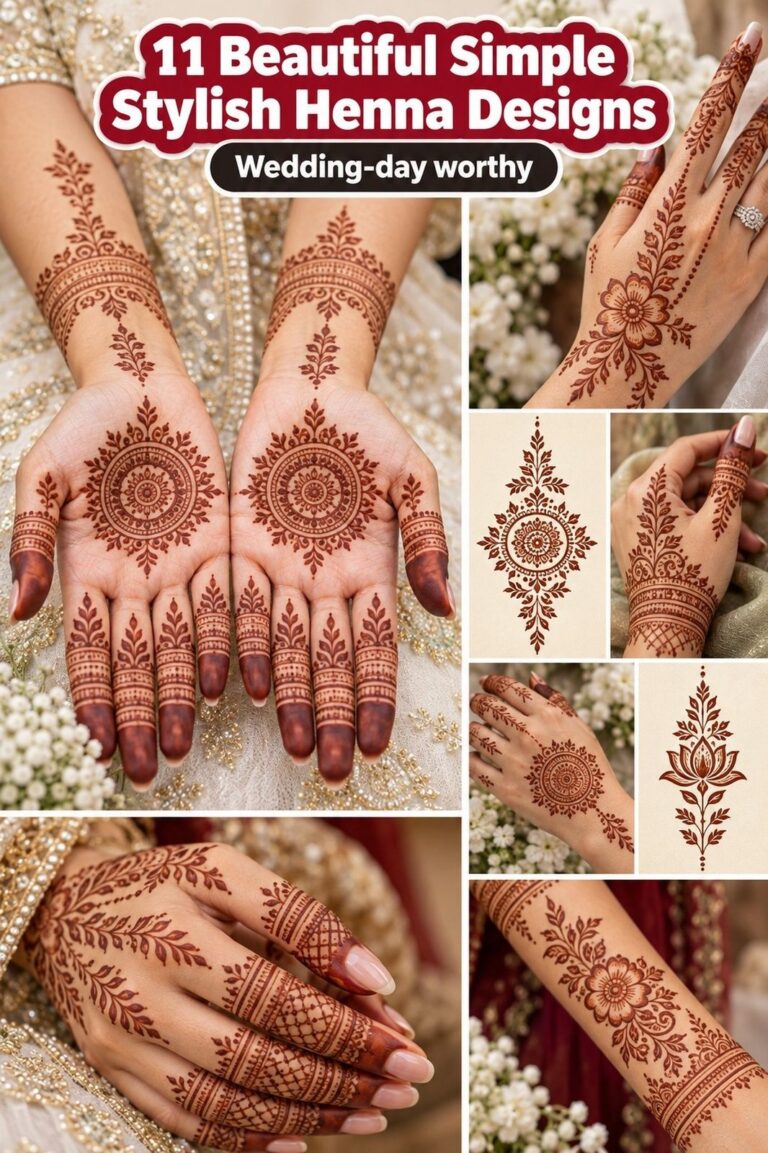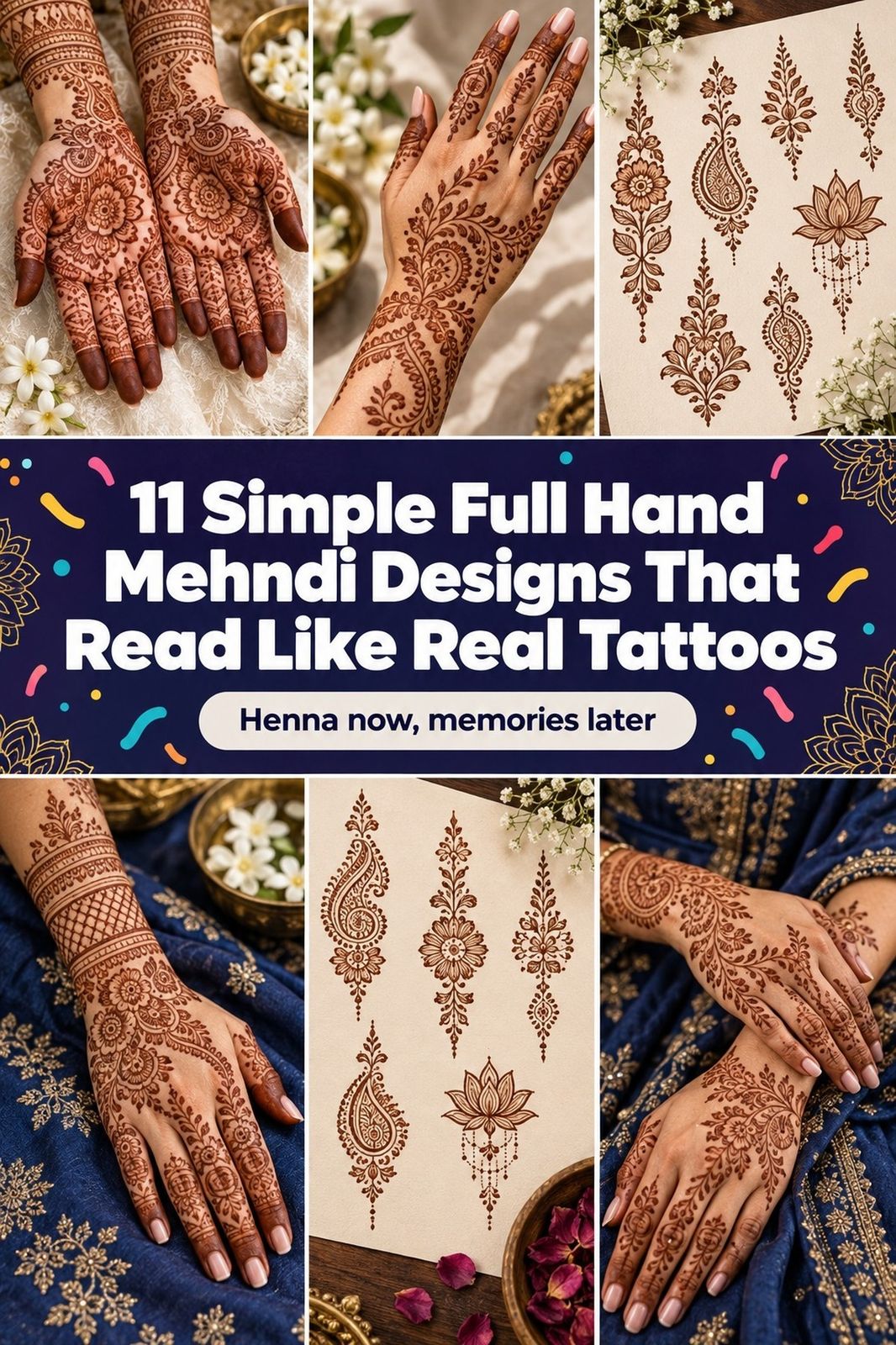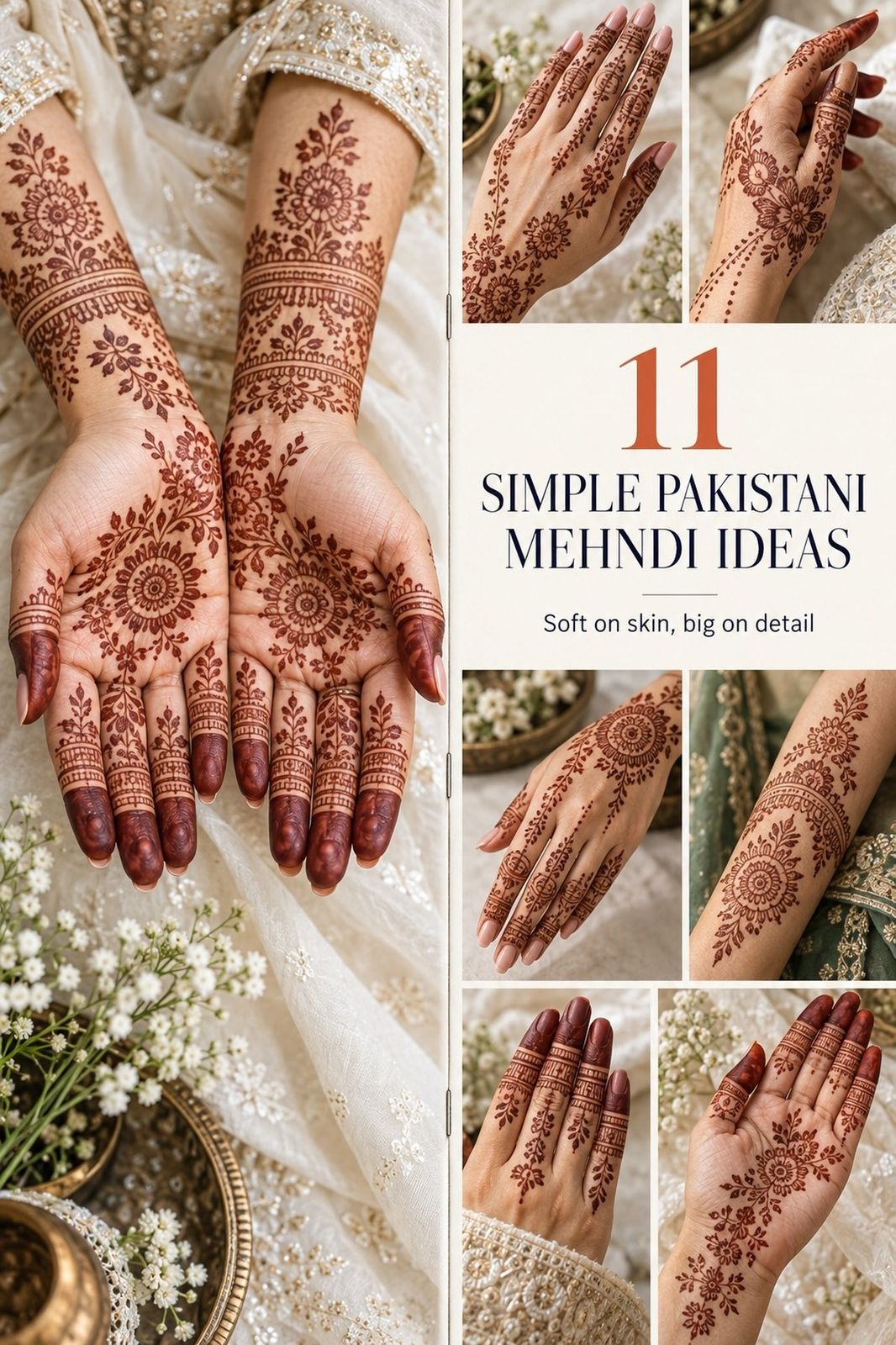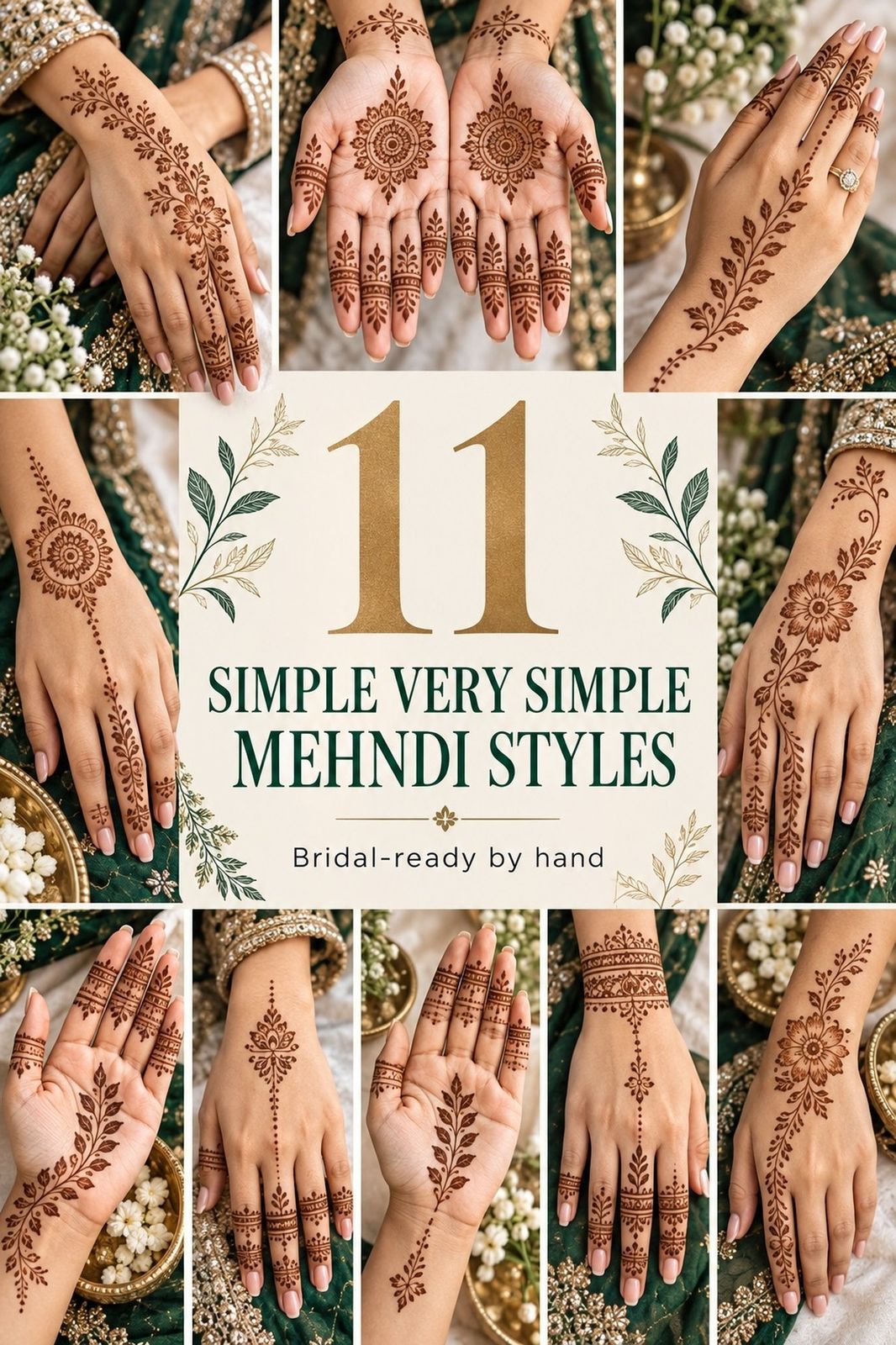
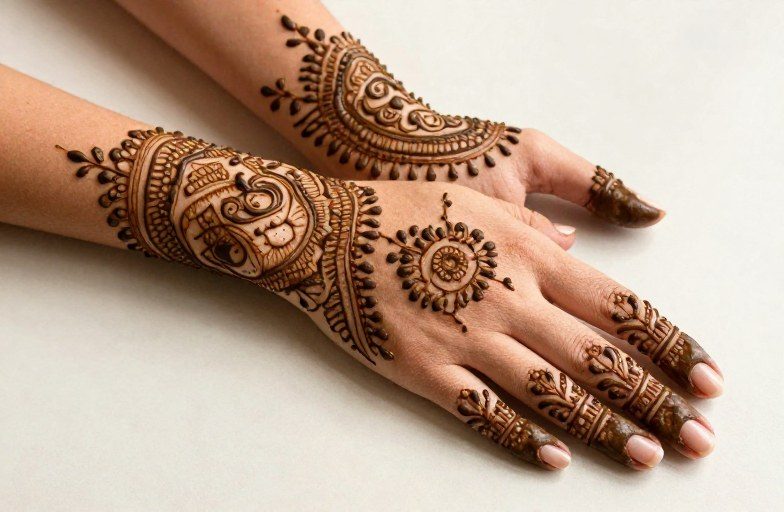
A henna tattoo symbolizes blessing, celebration, and transitional moments in life. Rooted in mehndi traditions across South Asia, North Africa, and the Middle East, the practice marks weddings, births, and spiritual observances with temporary stain. In permanent tattoo form, the imagery carries those same associations, beauty, protection, and ritual, while also signaling the wearer’s connection to heritage, appreciation for ornamental art, or personal transformation.
Symbolism & Core Meaning
The core symbolism of henna in tattoo form draws from thousands of years of practical use. Mehndi paste was applied as a cooling agent in hot climates, but its staying power turned it into something ceremonial. The stain itself represents impermanence made visible, a mark that fades, like the phases it commemorates.
Traditional Associations
In its cultural home, henna carries specific weight:
- Marital blessing: Bridal mehndi is elaborate, sometimes hiding the groom’s initials in the pattern for him to find on the wedding night
- Protection from evil eye: Darker stains were believed to ward off negative attention
- Fertility and abundance: Applied to hands and feet, the extremities connected to labor and grounding
- Spiritual purification: Used before religious observances, particularly Eid and Diwali
What Translates to Permanent Ink
When rendered as a permanent tattoo, the symbolism shifts slightly. The wearer isn’t marking a single event but claiming the quality of those events, celebration, protection, transition, as ongoing personal values. The tattoo becomes a fixed emblem of something originally understood as fleeting.
Mythology & Folklore
Henna’s mythic origins are often linked to multiple traditions, and no single story dominates. Some trace it to the Islamic tradition where the Prophet Muhammad reportedly used henna to dye his beard and recommended it for general wellness. In Hindu mythology, mehndi is commonly associated with the wedding of Shiva and Parvati, with the red color representing the blood of sacrifice and the joy of union.
Regional Variations
North African henna ceremonies, particularly in Morocco, feature geometric patterns with Berber influences, emphasizing protection and amuletic function. Pakistani bridal mehndi tends toward dense floral and paisley coverage. Indian traditions often incorporate religious iconography, peacocks for grace, lotuses for purity. A tattoo drawing from these wells should acknowledge which tradition it references, or risk flattening distinct practices into generic “exotic” ornament.
Personal & Modern Meanings
Contemporary wearers assign meanings that depart from tradition without necessarily disrespecting it. Common modern interpretations include:
- Marking recovery from illness or hardship (the stain’s temporary nature inverted into permanent survival)
- Honoring mixed heritage or adopted culture through serious study
- Appreciation for the visual vocabulary itself, line weight, negative space, organic flow
- Feminist reclamation of practices historically controlled by female community bonds
Some wearers with South Asian or North African ancestry use permanent henna-style tattoos to carry a practice that family circumstances (immigration, assimilation pressure, religious shift) distanced them from. The tattoo becomes reconnection, not appropriation.
Best Placements
Henna-style tattoos work best where actual mehndi was traditionally applied, or where the body’s curves complement the design’s flow.
Hands and Feet
The authentic placement. Palm tattoos fade fastest due to thick skin and constant abrasion, expect 2-5 years of crispness before significant blur. The back of the hand holds detail better, 5-10 years. Feet, particularly tops and sides, offer excellent longevity with moderate sun protection. Finger henna tattoos are notoriously difficult; the skin sheds rapidly and lines blow out within months.
Arms, Back, and Ribs
Forearms provide a flat canvas for bracelet-style bands or flowing vine work. The upper arm/shoulder area suits larger mandala or floral centers. Ribs and sternum accommodate the symmetrical, center-out designs common in bridal mehndi, though the bone proximity makes for a more painful session. The lower back can echo the “dulhan” (bride) style full-piece that traditionally covered a woman’s back before her wedding.
Color vs Black and Grey
Traditional henna stains reddish-brown; black henna (often containing PPD, a dangerous allergen) produces a near-black result that is not recommended for skin contact. Permanent tattoos must choose between honoring the authentic color or embracing the contrast of black ink.
Black and Grey Realism
Black ink reads immediately as “tattoo” rather than “stain.” Fine line work in black and grey can mimic the delicate quality of fresh mehndi, particularly with whip-shading for soft edges. This ages well, black holds, and the design’s readability depends on line integrity rather than color saturation. The trade-off is losing the warmth and cultural specificity of the reddish tone.
Color Approaches
Red and brown inks can approximate henna’s natural stain, but they fade faster than black, particularly on sun-exposed skin. Some artists use warm washes behind black linework to suggest the stain without relying on color for the design’s structure. White highlight dots, common in mehndi, don’t hold in tattoo ink, expect them to yellow or disappear entirely within a few years.
Design Tips & Pairings
Successful henna-style tattoos require understanding the grammar of the form, not just copying Pinterest images.
Structural Elements
Authentic mehndi builds from the center outward in radial or bilateral symmetry. Key motifs include:
- Paisley (mango/boteh): Fertility and life, endlessly adaptable in scale
- Floral nets: Dense, lace-like filler that creates negative space through complexity
- Peacocks: Beauty, pride, watchfulness, best as a central focal point
- Geometric borders: Frame the organic interior, create visual containment
Line weight variation matters more than in many tattoo styles. The thinnest lines (needle groupings of 3 or single needle) create the “drawn on” quality; heavier lines define structure. Shading should be minimal, mehndi is fundamentally a line art form.
Pairing with Other Styles
Henna elements pair well with ornamental blackwork, particularly dotwork mandalas, which share the meditative repetition. They clash with bold American traditional or heavy Japanese work unless deliberately contrasted. Script integration is tricky, mehndi predates the prominence of text in tattooing, and lettering can disrupt the visual language. If text matters, consider it as a separate, adjacent piece rather than embedded within the pattern.
Before You Decide
Research matters here more than with many designs. Henna carries living cultural weight, and casual adoption without understanding risks appropriation. If the tradition isn’t yours, approach with humility, consult artists who specialize in the form, study the regional variations, and avoid treating the imagery as generic “boho” decoration.
Consider the aging trajectory. Fine-line ornamental work requires touch-ups every 5-8 years to maintain readability. The dense, all-over patterns that look striking fresh can become muddy blurs if not planned with adequate spacing and scale. A good artist will build in “breathing room” knowing that ink spreads slightly over decades.
Finally, the impermanence of actual henna is part of its meaning. Permanent tattooing inverts that. Ask yourself if you’re seeking the aesthetic or the philosophy, whether the fixed mark serves your intention better than the fading stain, or if you’re trying to hold something that was meant to pass.
Frequently Asked Questions
How long does a henna-style tattoo typically last before needing touch-ups?
With proper care, black linework holds 5-10 years before significant fading. Color approximations of henna stain fade faster, especially on sun-exposed skin. Fine details blur first; plan for touch-ups every 5-8 years to maintain crispness.
Is it cultural appropriation to get a henna tattoo if I’m not South Asian or North African?
Context and intention matter. Appropriation looks like treating the form as generic “boho” decoration without understanding its roots. Appreciation involves research, crediting the tradition, choosing an artist who respects the form, and avoiding sacred motifs you haven’t earned through participation.
Why do real henna stains fade but permanent tattoos don’t?
Henna stains only the top layers of skin, which shed continuously. Tattoo ink sits in the dermis, below the shedding layer, where immune cells trap it permanently. The tattoo is essentially a controlled scar, deliberate, stable, irreversible by normal biological processes.
Can I get a temporary henna tattoo before committing to permanent ink?
Absolutely, and it’s wise. A professional henna application lets you test placement, scale, and how the design flows with your movement. Wait two weeks after the stain fades to ensure you want the permanent version, and bring reference photos to your tattoo consultation.