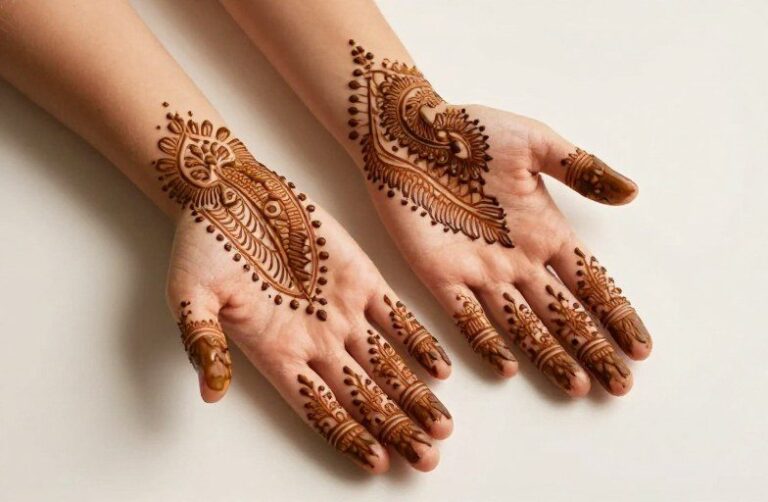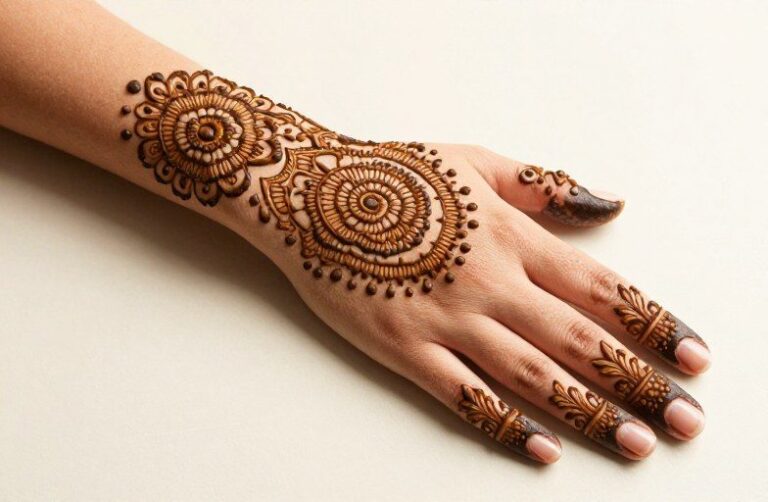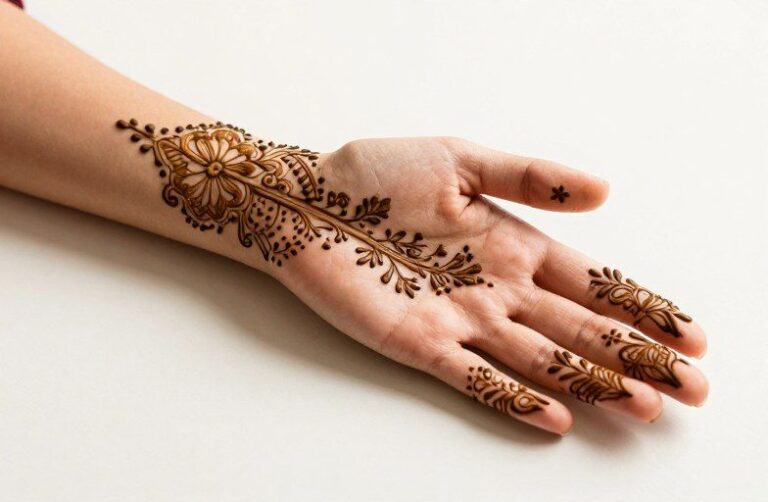
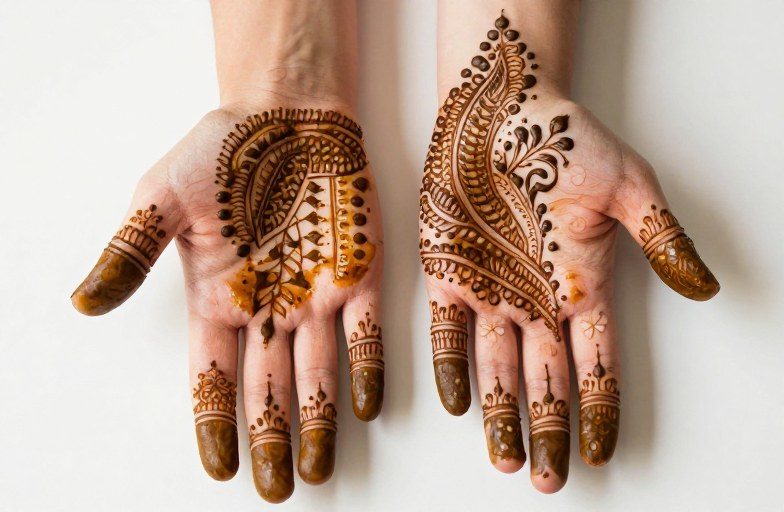
Fresh henna smudges while the paste is still wet wipe away with a damp cloth and a little lemon juice. Once the stain has set into the skin, you’ll need to lift the top layers of dead skin gently over a few days. The methods below work from immediate cleanup through fading established stains, with real expectations for how fast each approach actually works.
The Direct Answer
Right after the smudge happens, dab, don’t rub, with a clean, damp washcloth. For paste that’s already dried and stained the skin, a paste of baking soda and lemon juice left on for 10 minutes begins breaking down the lawsone pigment. Repeat daily, moisturize after, and expect 2-4 days of gradual fading rather than instant disappearance.
What Actually Lifts Henna Pigment
Henna stains the stratum corneum, the dead outer layer of skin. Anything that speeds natural exfoliation helps: salt scrubs, swimming in chlorinated pools, washing dishes without gloves. But aggressive scrubbing raw skin creates a worse problem than a faint smudge. The baking soda method works because it’s mildly alkaline and disrupts the dye bond without requiring sandpaper-level abrasion.
- Immediate: damp cloth, no soap, gentle dabbing
- Same day: lemon juice on cotton pad, 5 minutes, rinse
- Next 48 hours: baking soda paste, 10 minutes, daily
- Ongoing: normal washing, light exfoliation in shower
What to Skip Entirely
Bleach, nail polish remover, and undiluted essential oils burn skin without reliably removing henna. Microneedling or dermabrasion over a smudge is overkill and risks scarring. The internet loves toothpaste and whitening strips, they’re irritating, inconsistent, and often leave a chemical burn alongside your smudge.
Cost Factors
Most smudge removal costs nothing beyond household items. Where expenses appear, they’re about protecting the surrounding design or fixing a botched outcome.
DIY Supplies That Actually Work
Baking soda, lemon juice, and a soft washcloth run under $5. Sugar scrubs you already own work fine. Olive oil or coconut oil helps moisturize after treatments, preventing the dry, flaky skin that makes henna look worse. The real cost is patience, daily attention for several days beats one aggressive session that damages skin.
When Correction Becomes a Paid Service
If a smudge sits in a visible spot and DIY fading isn’t enough, some henna artists offer correction with darker surrounding work to camouflage the error. This runs $20-60 depending on complexity. Tattoo shops don’t typically fix henna, it’s a different medium and skin layer entirely. Laser removal for henna is rarely worth the cost; the stain fades naturally in 1-3 weeks anyway.
When to See a Professional
Most smudges are cosmetic annoyances, not emergencies. Two situations warrant outside help: allergic reaction, and smudges so severe you’re considering harmful DIY methods out of desperation.
Signs of Reaction vs. Normal Irritation
Redness, itching, and mild swelling around henna application are common, especially with essential oil-heavy mixes. Trouble signs include blistering, spreading hives, or pain that worsens after 24 hours. “Black henna” containing PPD (para-phenylenediamine) causes severe reactions and leaves scars, this isn’t traditional henna and requires medical attention, not tattoo shop advice.
Artists Who Can Help
Experienced henna artists know techniques for evening out faded patches or adding detail to distract from smudges. They won’t remove the stain but can improve the overall appearance. Search for artists with 5+ years experience specifically in henna, not general body art. A good henna artist has seen every smudge scenario and knows what camouflage actually works.
Aftercare Essentials
Post-removal care matters more than the removal itself. Irritated skin holds pigment unevenly and looks worse than a faint smudge.
Moisture Barrier Repair
After any exfoliation treatment, apply plain, fragrance-free lotion or a thin layer of petroleum jelly. Avoid scented products for 48 hours, they sting compromised skin and can cause new irritation. Keep the area out of hot tubs and saunas for two days; open pores take up pigment differently and can create new uneven color.
Protecting the Surrounding Design
If your smudge sits next to henna you want to preserve, apply a thin ring of petroleum jelly around the good work before treating the smudge. This creates a barrier so lemon juice or scrub doesn’t migrate. Work in small sections, checking every few minutes that your treatment stays where intended.
What to Expect Step by Step
Day one after smudging, the stain looks darkest and most alarming. Resist panic-scrubbing. Here’s the realistic timeline.
- Hours 0-6: Paste still workable. Damp cloth, gentle circular motion, check every few minutes. Stop when the paste lifts, overworking reddens skin and sets a worse stain.
- Day 1-2: Stain oxidizes to full color. Looks worse before better. Start lemon juice or baking soda treatments once daily.
- Day 3-5: Fading becomes noticeable. Continue gentle exfoliation in shower with washcloth. Moisturize after every treatment.
- Day 7-14: Most smudges fade to barely visible unless the henna was particularly dark or your skin retains dye strongly. Palms and soles hold color longest; forearms and backs fade faster.
Why Some Smudges Fade Faster
Skin type matters. Oily skin sheds faster; dry skin holds henna longer. Darker skin tones show contrast more dramatically when stained, so smudges appear more prominent initially, but the actual fading timeline remains similar. Older skin exfoliates more slowly, add a day or two to expectations if you’re over 50.
Tips From the Chair
Years around tattoo and henna work teach you that prevention outperforms correction every time. These practices come from watching thousands of applications.
Preventing Smudges During Application
Let henna paste dry until it flakes naturally, usually 4-6 hours, longer for thick applications. Keep the area still; flexing cracks paste and allows bleeding under the design. Seal with a lemon-sugar mixture if you’ll be active, but apply it thinly, thick sealant smears when bumped. Sleep with loose cotton clothing over the design, not tight wraps that press paste into unwanted shapes.
Reading Your Specific Situation
Small smudges at design edges often look intentional once the whole piece matures, resist over-treating. Central smudges that disrupt the pattern need more attention. Consider the design’s overall flow: a smudge that follows the curve of a paisley might stay; one that cuts across straight lines demands correction. Henna matures over 48 hours, what looks disastrous at hour six may integrate better than you expect.
Final Word
Henna smudges feel catastrophic in the moment, especially for special occasions where the design was meant to shine. The skin you’re working with regenerates completely every 27 days or so, this stain is temporary by nature, and your interventions only modestly accelerate what time would accomplish. Treat gently, moisturize consistently, and remember that most observers see the overall design, not the flaw you’re scrutinizing. The best henna work has slight irregularities that signal human hands, not machine precision. Your smudge, properly managed, becomes part of that authentic character.
Frequently Asked Questions
Can I use a tattoo removal cream to get rid of henna smudges?
No. Tattoo removal creams target deeper skin layers where permanent ink sits. Henna stains only the surface dead skin, so these creams are ineffective and potentially irritating for this purpose.
Will swimming in a pool fade my henna smudge faster?
Chlorinated water does speed fading, but it also fades the surrounding design you want to keep. If you choose this method, expect overall lightening, not selective smudge removal.
How do I know if my henna paste is safe to leave on longer for better color?
Traditional henna smells earthy and stains orange-brown initially. If your paste is jet black immediately or has a chemical odor, it likely contains PPD and should be washed off immediately, not left longer.
Can I get a permanent tattoo over a henna smudge area?
Wait until the henna has completely faded and the skin has returned to normal texture, usually 2-4 weeks. Tattooing over stained or irritated skin leads to unpredictable healing and color retention.