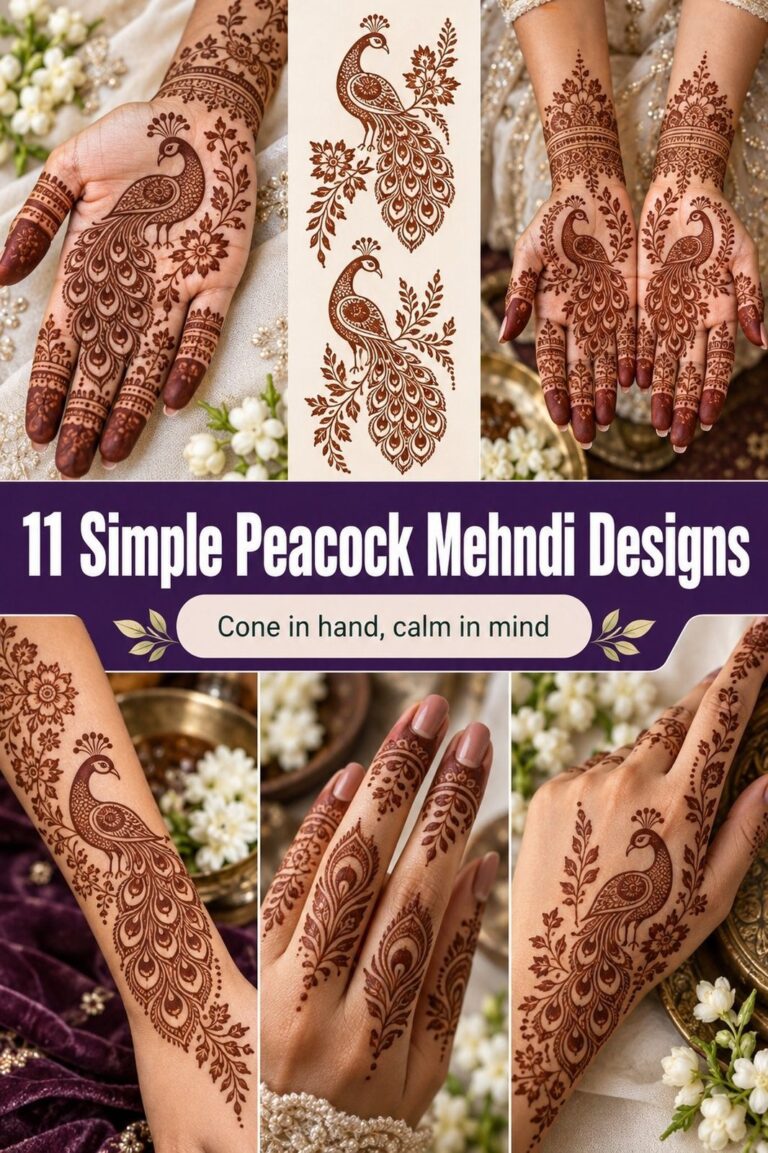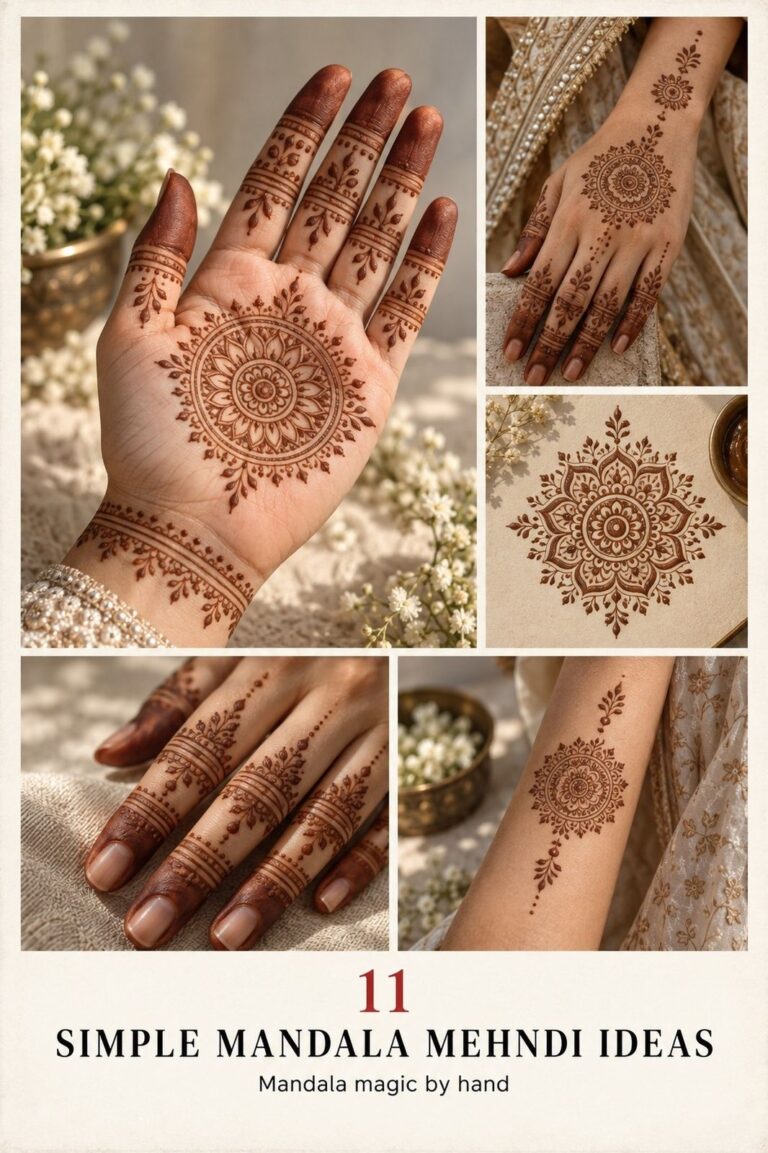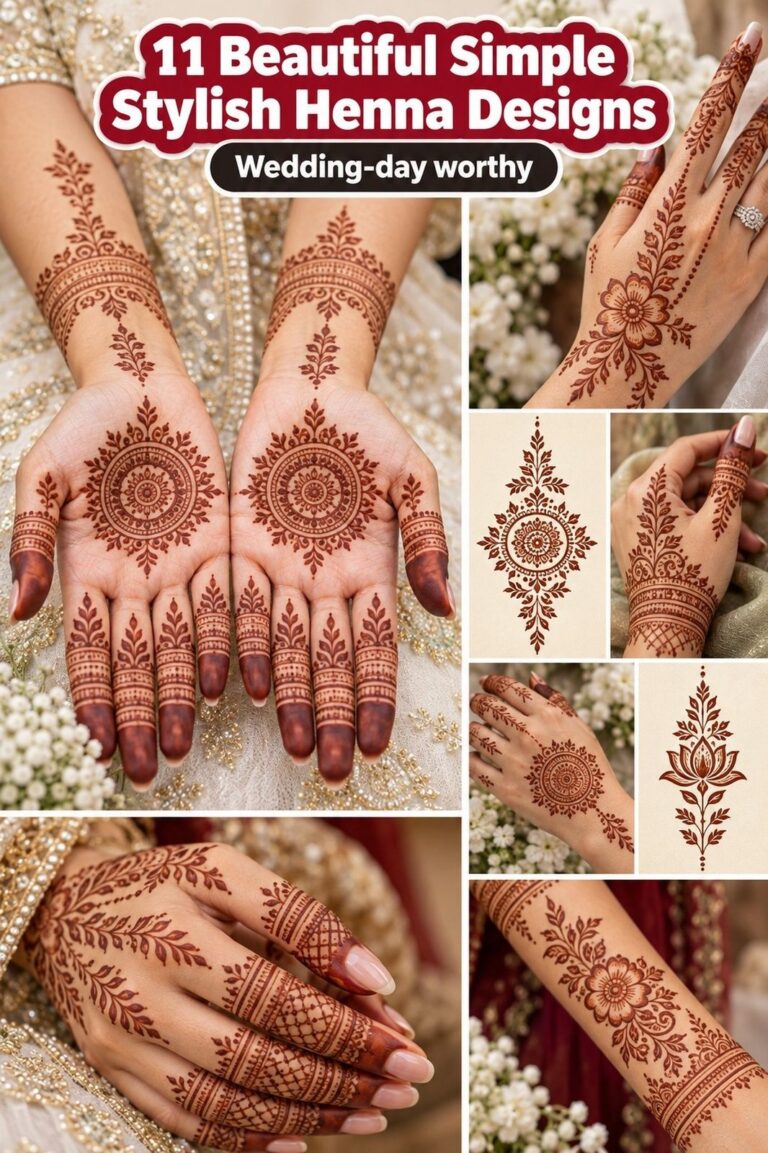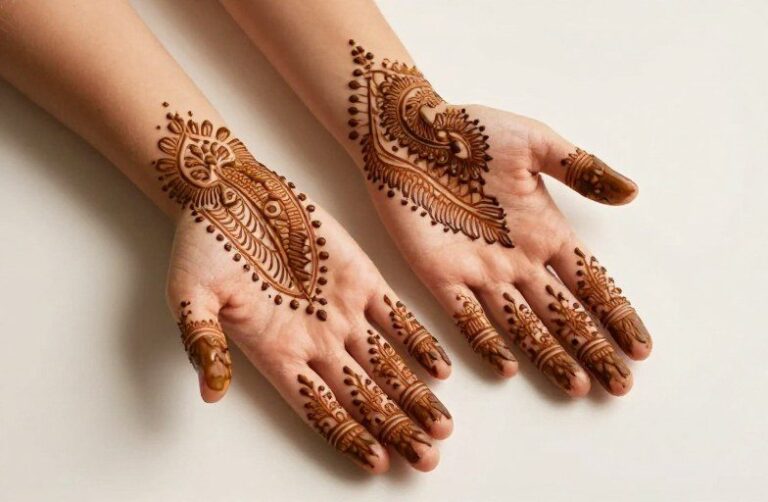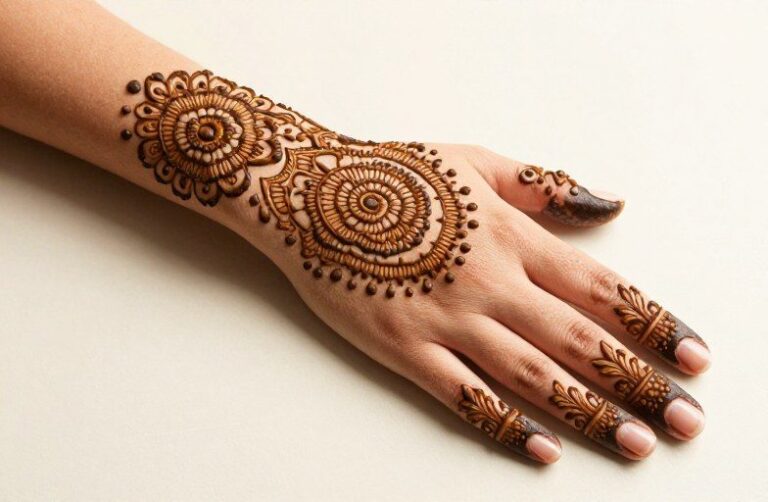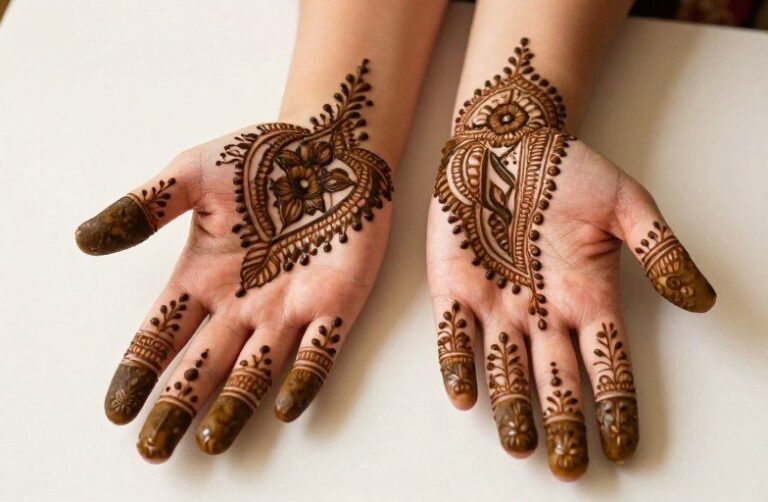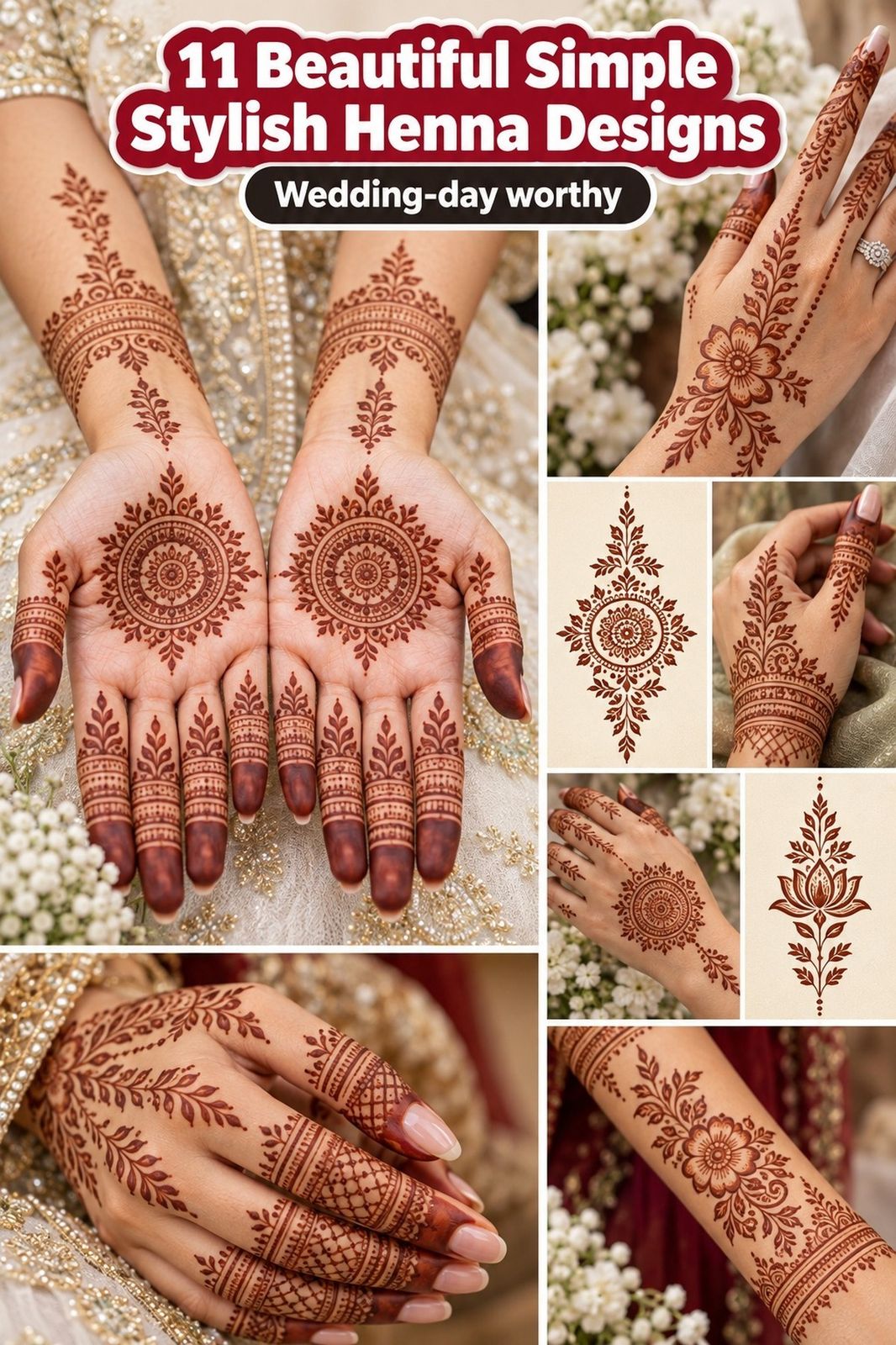
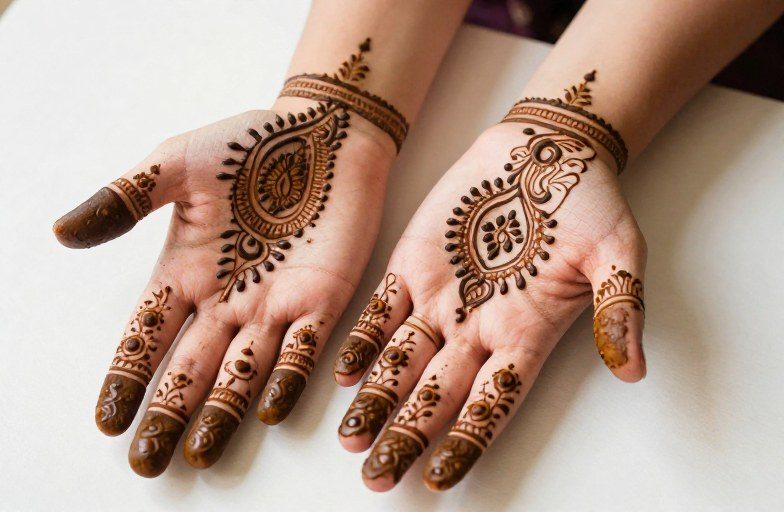
A mehndi henna tattoo, whether done with actual henna paste or permanent ink, traditionally signals blessing, joy, and transition. The dense, lace-like patterns commonly associated with bridal mehndi represent protection and the opening of a new life chapter. In permanent tattoo form, these designs carry similar weight, celebration, spiritual armor, and connection to South Asian and Middle Eastern heritage, though the meaning shifts slightly when worn outside those cultural contexts.
Symbolism & Core Meaning
The Protective Lattice
Intricate mehndi patterns historically functioned as spiritual armor. The complexity of the design was believed to trap evil spirits in the maze of lines, preventing them from reaching the wearer. Dense floral vines and paisley shapes covering the hands and feet created a shield during vulnerable moments, childbirth, marriage, major journeys. This protective quality translates directly to permanent tattoos: many choose full-hand or foot designs specifically for that sense of guardedness, the visual density acting as a kind of wearable talisman.
Joy Made Visible
Unlike somber memorial imagery, mehndi announces happiness. The temporary stain darkens as celebration nears, peaking during the event itself, weddings, Eid, Diwali, births. Permanent mehndi-style tattoos often commemorate similar peaks: recovery from illness, survival, creative breakthrough. The visual language remains festive even in black ink. Look for designs that incorporate open, uninked negative space; in traditional henna, this represents the future unfolding, the unknown held within beauty rather than feared.
Personal & Modern Meanings
Heritage Reclaimed
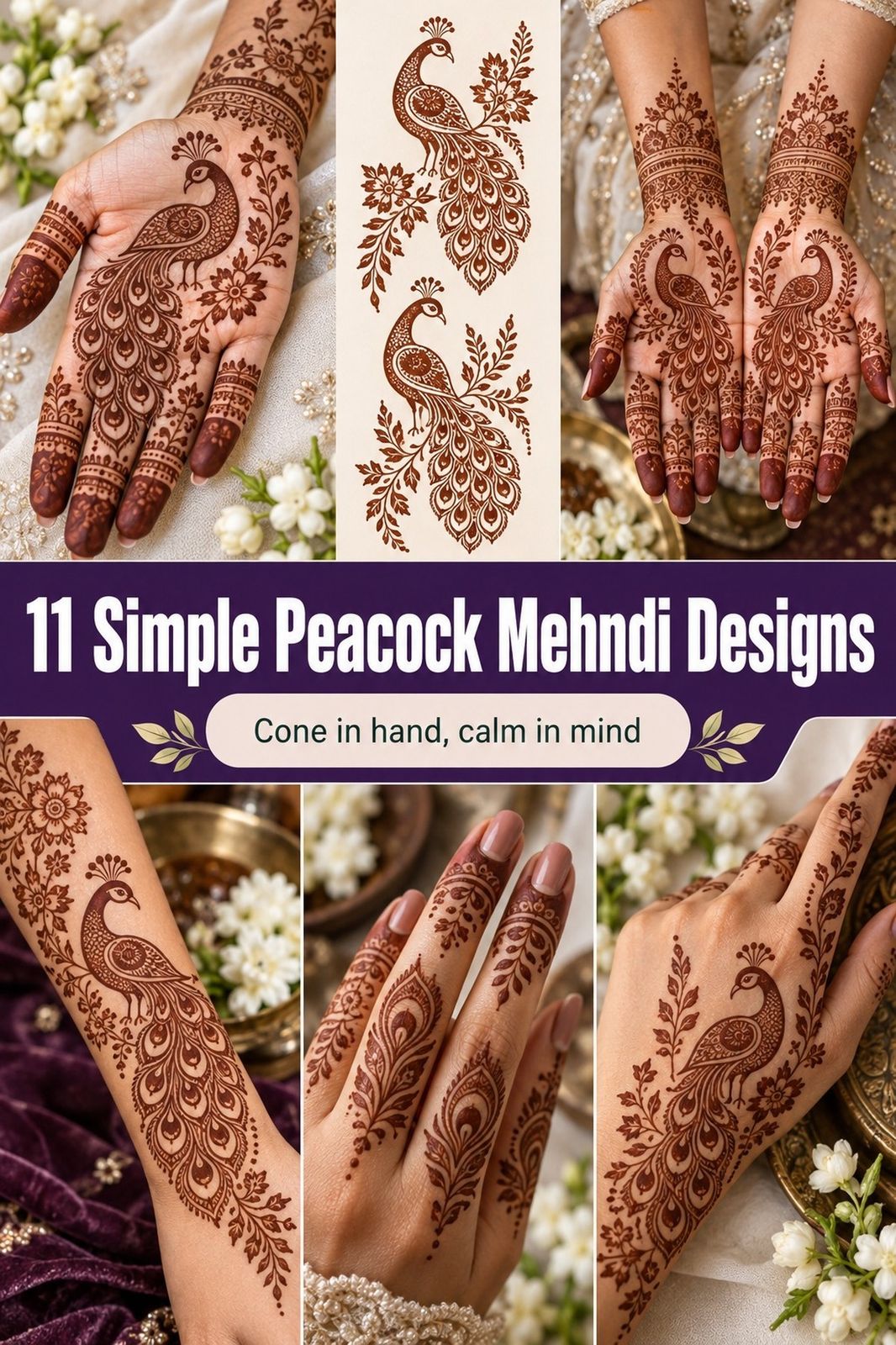
For those with South Asian, North African, or Middle Eastern ancestry, a permanent mehndi tattoo can function as rootedness, especially when diaspora has scattered family traditions. The specific regional style matters: Rajasthani work favors bold geometric peacocks and flowers; Pakistani bridal mehndi often incorporates the groom’s initials hidden within patterns; Sudanese henna favors bold, solid stained fingertips rather than fine lines. A permanent tattoo referencing a specific regional style carries that specificity, not generic “exotic” appeal.
Aesthetic Without Claim
Some wearers without that heritage choose mehndi-style tattoos purely for visual appeal. This choice carries genuine friction that shouldn’t be smoothed over. The patterns are not universal decoration, they emerge from specific religious and cultural practices. Permanent ink removes the temporary, participatory nature that makes henna culturally significant. If you’re drawn to the aesthetic, consider: collaborating with an artist from that tradition, choosing abstracted botanical forms rather than direct copies, or learning enough to select patterns with intentional rather than random meaning. The least respectful choice is treating 500 years of visual culture as a pretty filter.
Similar & Related Symbols
Several visual cousins share DNA with mehndi patterns, and understanding the overlap helps clarify what you’re actually asking for.
- Paisley (boteh): The teardrop-shaped motif common in mehndi originated in Persian Zoroastrian tradition, representing the cypress tree or life and eternity. In Indian mehndi, it often signifies fertility and abundance. As a standalone tattoo, it carries lighter cultural weight than full mehndi sleeves.
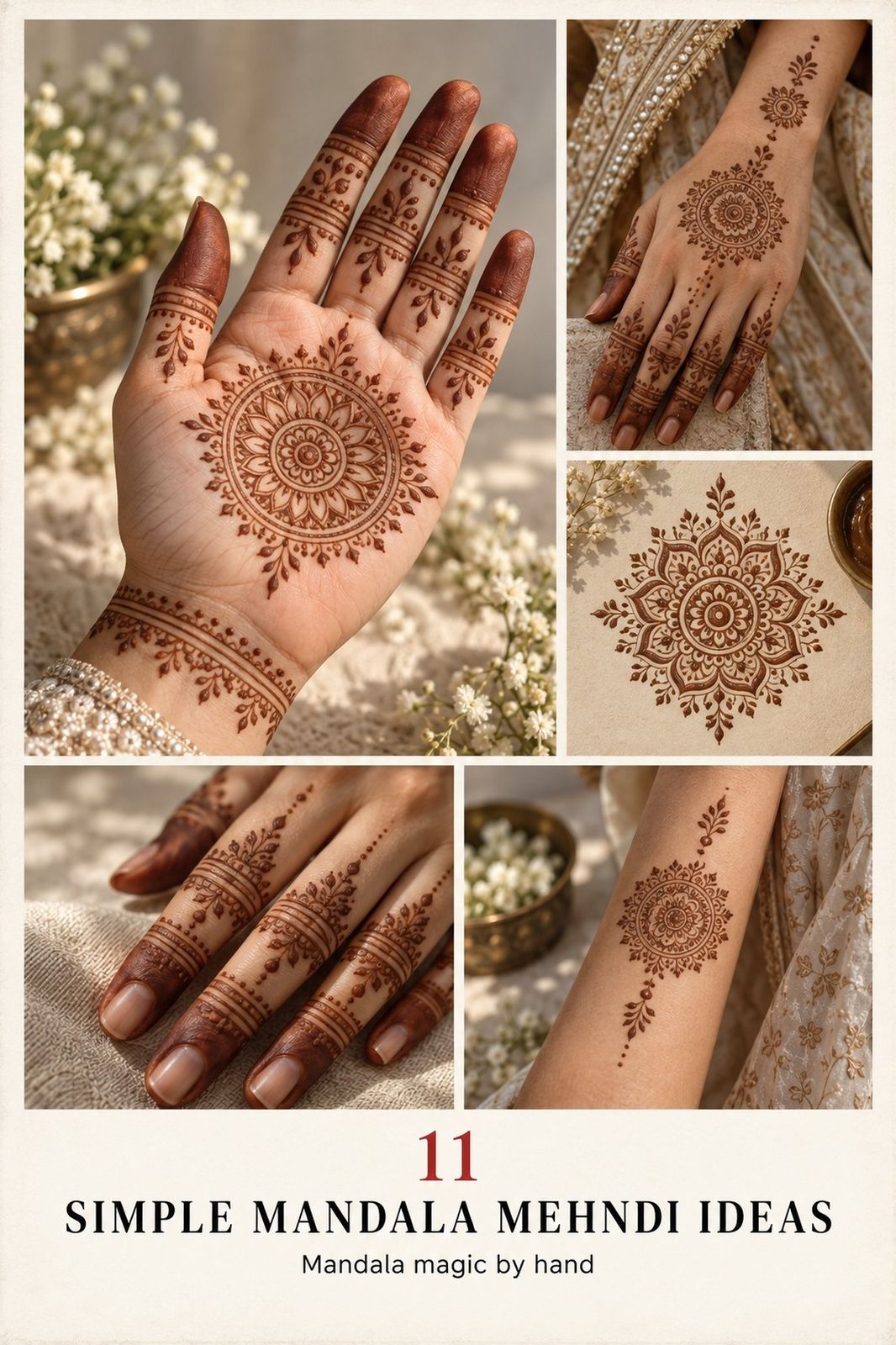
- Mandala: Both feature radial symmetry and spiritual mapping, but mandalas center on a point, cosmic order from a core. Mehndi flows, wraps, extends across limbs. The energy differs: containment versus extension.
- Lace patterns: Victorian and European lacework visually resembles mehndi but carries entirely different class and gender associations. Some tattoo artists deliberately blend the two, creating hybrid ornamental work that speaks to multiple ancestries.
- Islamic geometric art: Shares the mathematical precision and avoidance of figuration found in some mehndi traditions, particularly in Arab and Persian work. The prohibition against depicting living forms pushed pattern toward infinite complexity, similar pressures shaped certain mehndi styles.
How It Ages on Skin
Line Weight Decisions
Traditional henna relies on fine, hair-thin lines that stain the skin’s surface. Permanent tattoo ink sits deeper, and those same fine lines blur over time. A mehndi tattoo that looks crisp at two years will likely soften significantly by ten. The solution isn’t always going bolder, some blur is authentic to how actual henna ages, fading and spreading organically. But if you want readable detail long-term, ask your artist to build pattern through slightly heavier line weights and strategic dotwork rather than pure hairlines. Areas with dense black fill (common in some Pakistani styles) hold better than open, delicate tracery.
Placement Realities
Hands and feet, the classic mehndi locations, are also the hardest places for tattoos to age well. Constant use, sun exposure, and thinner skin mean faster fading and blur. Palm-side hand tattoos often need substantial touch-up; many artists won’t do them at all. The dorsal (back) of the hand holds better but still requires commitment to maintenance. For a mehndi-inspired tattoo that ages gracefully, consider the forearm flowing toward the hand, the upper arm, or the calf, areas that echo the wraparound quality without the brutal wear. If you must do hands, expect to return for refresh sessions every few years.
Mythology & Folklore
Stories surrounding henna often link it to love, luck, and transformation, though specific tales vary enormously by region.
In some South Asian traditions, mehndi is often linked to the story of the wedding of Shiva and Parvati, where the dark stain represented the blood of the first marriage and the passion within it. The deeper the color, the stronger the marital bond, hence the bride’s anxiety about her stain’s darkness, and the modern practice of adding lemon and sugar to deepen it.
Some trace henna’s use as a cooling agent to ancient Egypt, where it was applied to the hands and feet to lower body temperature in desert climates. From practical cooling, decorative use followed. The connection to death also appears: Egyptian and some Yemeni traditions used henna to dye the hair and nails of the deceased, a practice some scholars connect to the plant’s association with the afterlife and safe passage.
Arabic folklore commonly associates henna with baraka, blessing power, divine favor. The plant itself carries this quality, not merely the pattern. This distinction matters for permanent tattoos: the ink doesn’t contain baraka, but the form can still evoke it for the wearer.
Religious & Spiritual Angles
Islamic Contexts
Among Muslims, henna carries particular significance during Eid celebrations and weddings, with specific hadith mentioning the Prophet’s encouragement of its use. However, permanent tattoos are generally considered haram in mainstream Islamic jurisprudence. A Muslim wearing a permanent mehndi-style tattoo navigates complex territory, possibly reclaiming cultural practice against religious prohibition, or simply prioritizing aesthetic heritage. The tension itself is worth acknowledging rather than ignoring. Non-Muslims should be especially cautious about appropriating designs with specific religious inscriptions or mosque-architecture references.
Hindu and Jain Traditions
In Hindu practice, mehndi is commonly associated with Lakshmi, goddess of wealth and fortune, and with the awakening of the bride’s inner light. The red-black color connects to shakti, feminine creative energy. Jain brides similarly use mehndi, though often with less elaborate patterning reflecting ascetic values. For permanent tattoos, the religious weight varies enormously by specific motif: a lotus or Lakshmi’s footprints carry explicit devotional meaning, while abstract paisleys remain more culturally general.
Final Word
Mehndi henna tattoos in permanent form carry genuine beauty and layered meaning, but they also carry responsibility. The patterns weren’t developed as neutral decoration, they grew from specific people’s celebrations, protections, and prayers. Wearing them well means knowing at least some of that context, choosing designs with intention rather than impulse, and respecting the difference between temporary participation and permanent claim. The best mehndi-style tattoos I’ve seen came from wearers who did the work: learned the regional styles, found artists with actual connection to the tradition, and chose placement and scale that honored the form’s origins while making it genuinely theirs. That’s the path worth taking.
Frequently Asked Questions
Does a permanent mehndi tattoo have the same meaning as traditional henna?
No, traditional henna’s meaning depends partly on its temporary nature, the communal application, and the specific occasion. Permanent ink fixes the visual but removes the ritual context. The meaning becomes more personal and static, less participatory and evolving.
Which mehndi style is most appropriate for someone without South Asian heritage?
Consider abstracted botanical forms or collaborating with an artist from that tradition rather than copying specific bridal patterns. Avoid religious inscriptions, deity imagery, or designs with explicit cultural gatekeeping.
How do I find a tattoo artist who can do authentic mehndi-style work?
Look for artists who specifically credit training in or study of the tradition, not just Pinterest references. South Asian tattoo conventions and artist directories often list specialists. Ask about their line-weight strategy for aging and their understanding of regional style differences.
Can I get a henna tattoo before getting it permanently inked?
Absolutely, and it’s smart. Temporary henna lets you live with the placement, scale, and visual density before committing. Note that natural henna stains orange-brown; black “henna” often contains dangerous additives and should be avoided entirely.